
Last updated November 15, 2026
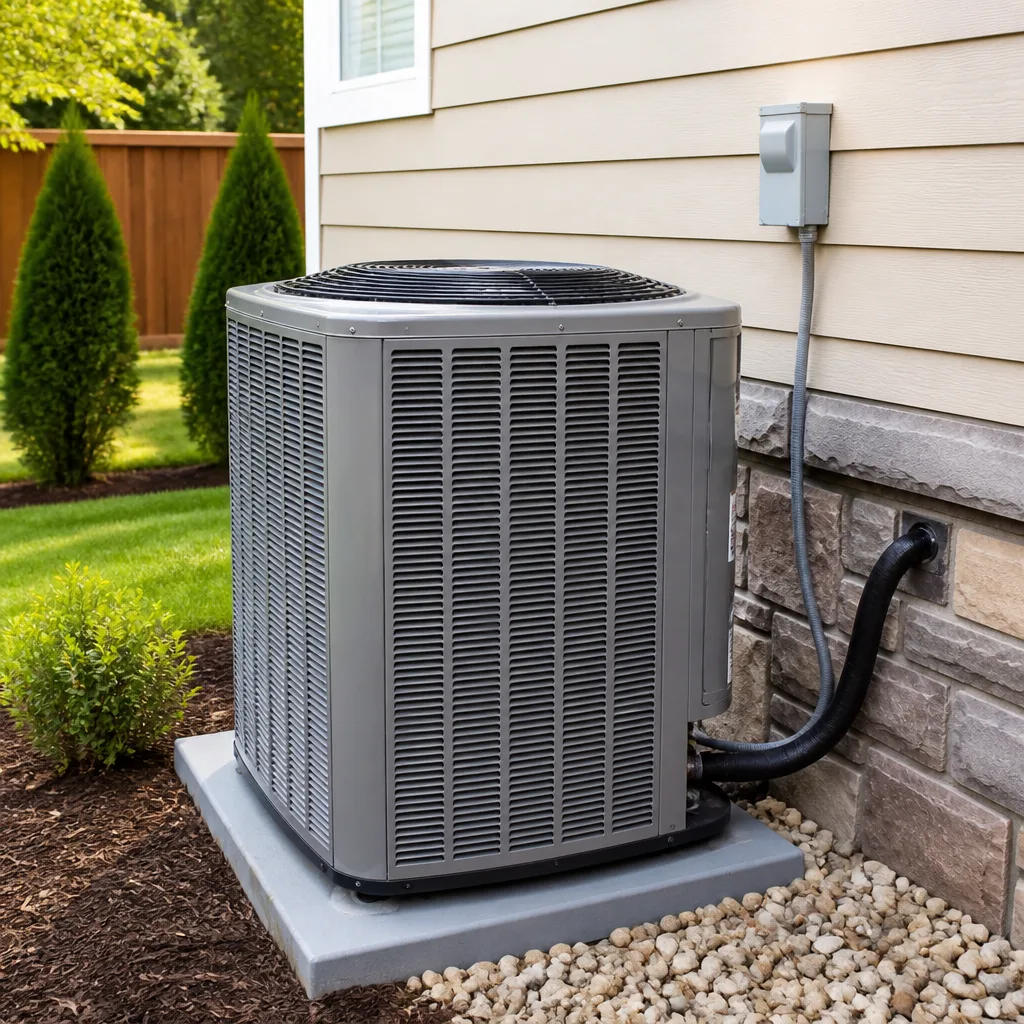 AC repair
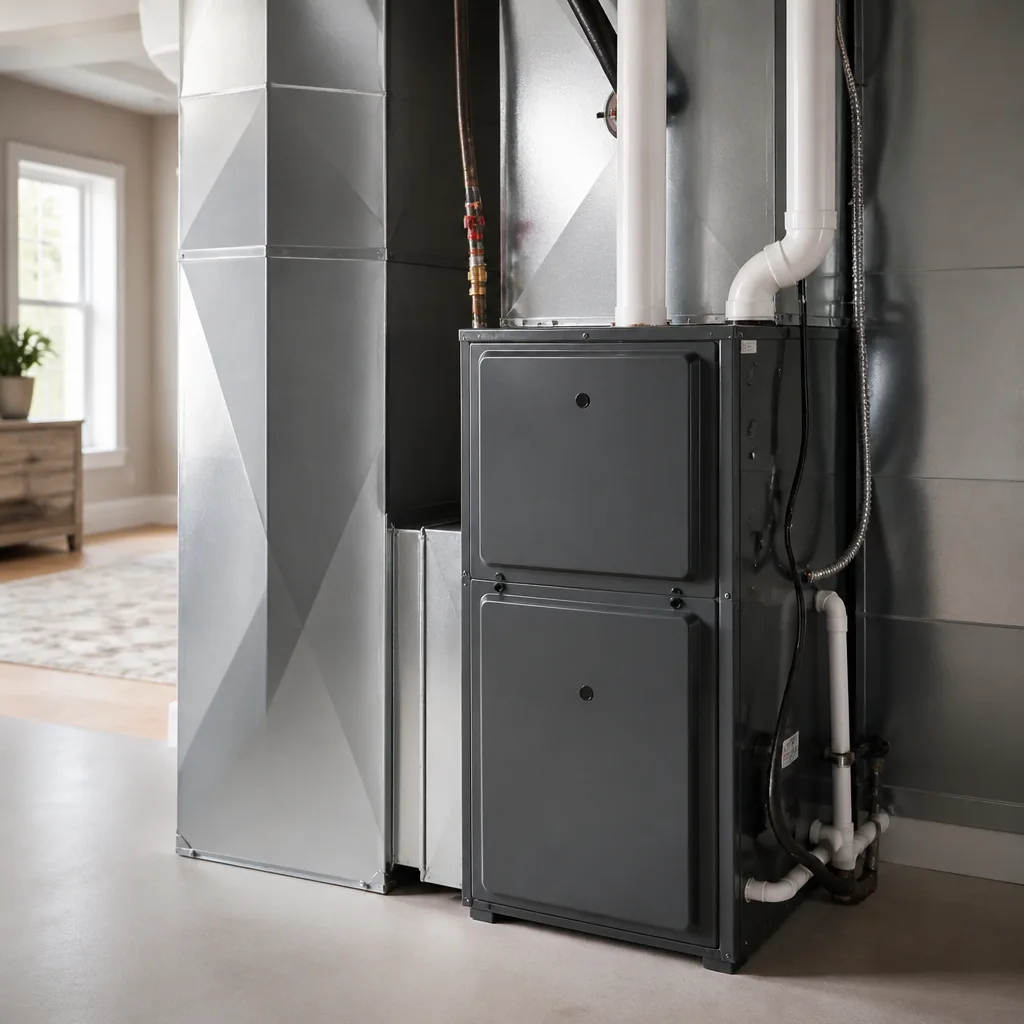 Furnace & heating
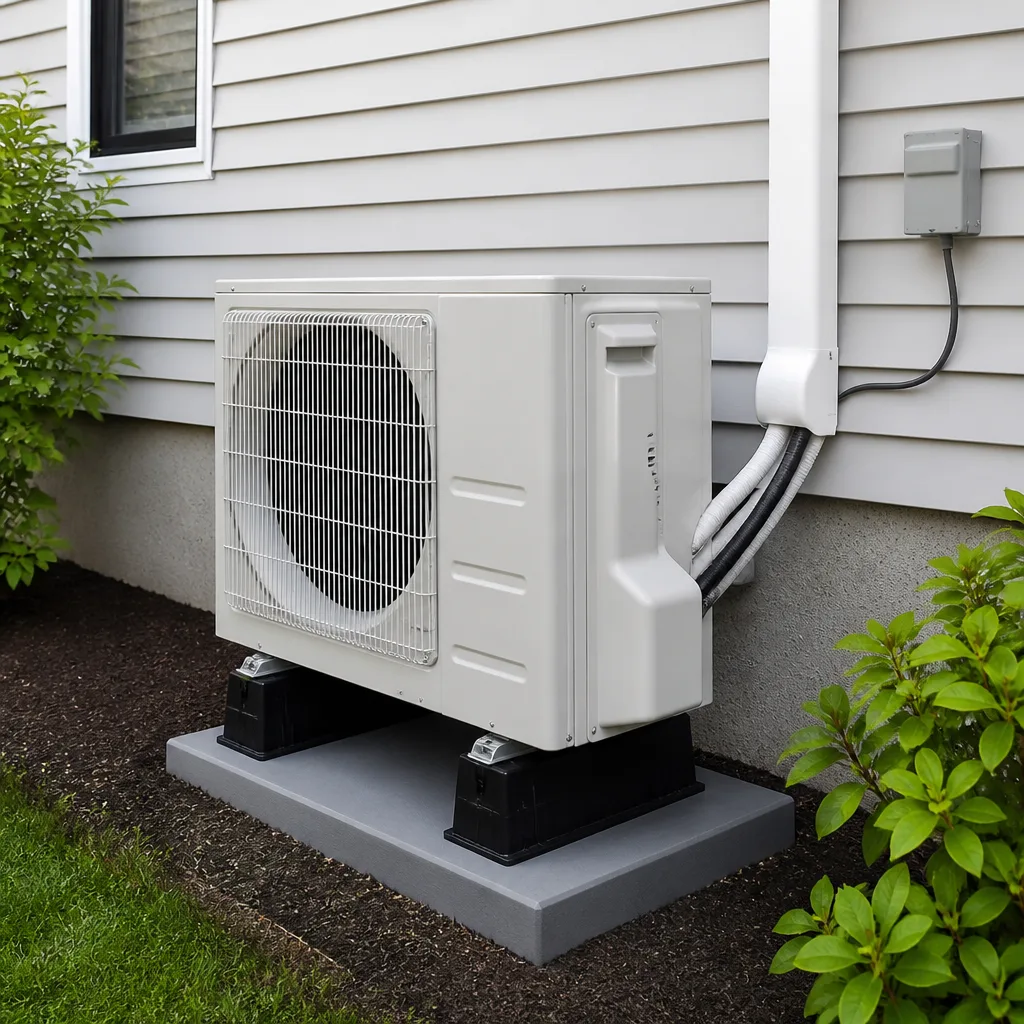 Heat pumps
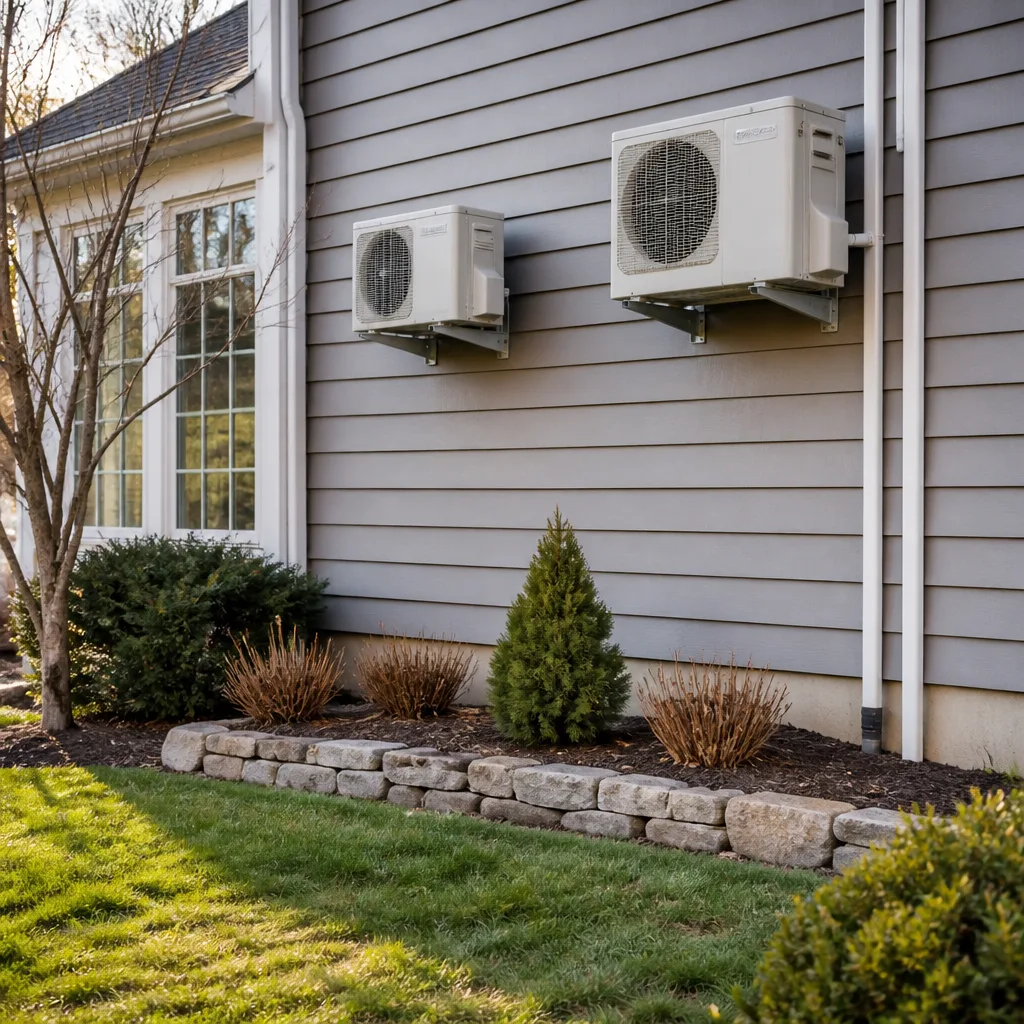 Ductless mini splits
 Carrier
 Trane
 Goodman
Seasonal tune-up and full diagnostic on your Carrier, Trane, or Goodman system - readings shown to you before any repair is proposed
Diagnosis first, numbers second - you approve the repair price before a single part goes in.
Get your free estimateHVAC Warning Signs: A Hayward Homeowner’s Reference Guide
Most warning-sign guides give you a list of symptoms and stop there. You learn that a squealing system is “bad” without learning what’s actually squealing, which means when a technician tells you the problem is the blower motor bearing, you have no way to judge whether that’s plausible or a guess. Here’s the thing: the specific sound, smell, or behavior your system shows points to a specific component. A rattle on startup isn’t the same problem as a hum during operation. This guide maps the symptom to the part, explains what each sign rules out, covers the moisture and cycling quirks we see in Hayward, and shows you what to note before you call so the diagnosis goes faster.
Quick Answer
The most reliable HVAC warning signs are changes you can name precisely: a new sound tied to a specific moment (startup, shutdown, mid-cycle), a smell with a location, warm air from vents set to cool, ice on the refrigerant lines, or short cycling in mild weather. A sign that appears suddenly and affects comfort or safety needs same-day attention. A sign that’s gradual and doesn’t threaten comfort can usually wait for the next available appointment. The more precisely you describe what you’re hearing and seeing, the faster and cheaper the diagnosis.
Styles & brands we work with
- AC repair
- Furnace & heating
- Heat pumps
- Ductless mini splits
- Carrier
- Trane
- Goodman
Table of Contents
- Symptom-to-Component Map: What Each Sign Usually Points To
- Decoding Sounds: Startup Rattle vs. Shutdown Squeal vs. Mid-Cycle Hum
- Hayward-Specific Warning Signs: Moisture, Corrosion, and Infrequent Cycling
- Same-Day vs. Same-Week: How to Tell Which Warning Sign You Have
- What to Log Before You Call (And Why It Cuts Diagnosis Time)
- Warning Signs That Aren’t HVAC Problems
- Warning Signs You Should Never Investigate Yourself
- Why Brand Familiarity Changes the Diagnosis
Symptom-to-Component Map: What Each Sign Usually Points To
Every symptom is a clue, and most clues narrow the field to two or three components. Use the table below as a reference when you’re noting what your system is doing. It won’t replace a diagnosis, but it will help you describe the problem in a way a technician can work with, and it will help you recognize an implausible explanation when you hear one.
Symptom-to-Component Reference
- Rattle on startup, then quiet: Loose panel fasteners, a failing contactor, or a blower wheel out of balance. Rules out refrigerant charge issues – a low charge doesn’t rattle.
- Squeal at shutdown: Blower motor bearing wear or a belt slipping. A refrigerant leak doesn’t squeal; a bearing does.
- Steady hum during operation: Electrical – a contactor stuck closed, a capacitor failing, or a compressor trying to start against high head pressure. Rules out airflow problems.
- Hissing near the indoor unit: Refrigerant leak or a duct leak under pressure. His sing at the outdoor unit is more often a valve or a leaking Schrader port.
- Musty smell from vents: Microbial growth on the evaporator coil or in the drain pan, usually from standing condensate. Rules out refrigerant problems.
- Burning or plastic smell: Electrical component overheating – capacitor, wiring, motor windings. This is a stop-using-it sign.
- Warm air from vents in cooling mode: Low refrigerant charge, a failed compressor, a reversing valve stuck (heat pumps), or a thermostat misconfigured to heat.
- Ice on the refrigerant lines or indoor coil: Low refrigerant charge or restricted airflow (clogged filter, blocked coil). Ice is a symptom of starvation, not of “too much cold.”
- Water pooling at the indoor unit: Clogged condensate drain, a cracked drain pan, or a frozen coil melting. Rules out refrigerant overcharge.
- Short cycling in mild weather: Oversized system, a thermostat placed near a heat source, low charge, or a failing control board.
What this table rules out matters as much as what it points to. When a technician can eliminate a category by listening for thirty seconds, the time they save goes into the actual repair. In our experience, a homeowner who arrives with a precise description (“squeals for two seconds when it shuts off, started about ten days ago”) gets a faster diagnosis than one who says “it’s making a noise.”
If the symptom points to something you can’t check safely, call a technician. Our AC Repair Hayward page covers what we handle for cooling systems, and the same diagnostic approach applies here.
Decoding Sounds: Startup Rattle vs. Shutdown Squeal vs. Mid-Cycle Hum
Timing is everything with HVAC sounds. When the sound happens tells a technician as much as what the sound is. A rattle on startup means something is loose or electrically chattering as the system energizes. A squeal at shutdown means a rotating part is decelerating under load. A hum during steady operation means an electrical or compressor component is straining. Three different sounds, three different categories of part.
How to Pin Down the Timing
- Note when it starts. Does the sound happen the moment the thermostat calls for cooling, or does it begin a few seconds in?
- Note when it stops. Does it stop with the compressor, the blower, or the entire system? Standing outside near the outdoor unit, you can usually tell whether the noise ends when the compressor kicks off or when the fan winds down.
- Note the duration. Two seconds is different from two minutes. A brief squeal at shutdown is often bearing wear; a continuous squeal is often a belt or an electrical fault.
- Note the location. Indoor unit, outdoor unit, or at a vent? Sounds at a vent point to duct or airflow problems, not the equipment itself.
- Note whether it’s new. Every system has its own normal sounds. If it’s the same as it’s always been, it’s probably not a warning sign. If it’s new, it’s worth a look.
Every brand behaves a little differently, which is why brand familiarity matters. A startup rattle on a Carrier outdoor unit and the same rattle on a Goodman unit can have different most-likely causes because the internal layouts and component choices differ. We work on Carrier, Bryant, American Standard, and Daikin systems regularly, along with five others, and the pattern recognition comes from having seen each layout before.
One caution: don’t chase the sound with a screwdriver and your ears inside the unit. Capacitors hold a charge after power is off, and the fan and compressor are dangerous to approach while running. Listening from outside the cabinet is fine. Reaching in is not.
Hayward-Specific Warning Signs: Moisture, Corrosion, and Infrequent Cycling
Hayward’s climate creates a particular set of HVAC warning signs that differ from what you’d see in a hotter or more humid market. Winters are mild and summers are generally moderate, which means systems here often run less aggressively than in places with harsher seasons. That’s easier on the equipment, but it also means problems can develop slowly and quietly between the times the system runs hard.
Moisture and Condensate Problems
In Hayward, condensate management is one of the most common sources of trouble. Air conditioning pulls moisture out of the air, and that water has to go somewhere. A condensate drain that clogs, a drain pan that cracks, or a trap that loses its prime can all lead to water where water shouldn’t be. Look for:
- Water stains or rust at the base of the indoor air handler
- Rust on the drain pan or the cabinet around the coil
- A clogged or slow-draining condensate line
- Musty odors that appear only when the system runs
Because Hayward winters are mild, a clogged drain can go unnoticed for months. The water sits, the pan corrodes, and the problem shows up as a stain on the ceiling or a smell in the house rather than as a visible puddle in the middle of summer.
Corrosion from Infrequent Cycling
Systems that cycle infrequently during mild weather can develop a different kind of trouble. Components that sit idle for long stretches can corrode at electrical connections, and coils that never get warm and dry can hold moisture. Watch for:
- Green or white crust on electrical terminals
- Rust on the outdoor unit’s base pan or coil fins
- A stale or musty smell when the system first turns on after a long idle period
- Startup sounds after a long off period that disappear once the system runs a while
None of these are emergencies on their own, but each one is a sign that a component is aging. A technician who is familiar with Hayward’s climate pattern knows to check electrical connections and coil condition on systems that sit idle for months, because that’s where the trouble usually starts. For a full look at how we handle cooling systems, see our AC repair page.
Same-Day vs. Same-Week: How to Tell Which Warning Sign You Have
Not every warning sign is a same-day emergency. Knowing the difference saves you stress and, in some cases, money. The general rule is: if the sign affects safety, or if it affects comfort during extreme heat, it’s a same-day call. If it’s gradual, cosmetic, or doesn’t change how the system performs, it can usually wait for the next available appointment.
Signs That Need Same-Week (But Not Same-Day) Service
- A new sound that’s consistent but hasn’t gotten worse
- A mild musty smell from vents
- Water stains or rust that have been there a while
- Short cycling that doesn’t affect comfort
- A single room that’s warmer than the rest of the house
- Filters that need changing more often than they used to
Signs That Need Same-Day Attention
- Warm air from vents while the thermostat is set to cool
- No air at all from any vent
- Ice on the refrigerant lines or the indoor coil
- A burning or electrical smell
- A loud clanking, banging, or grinding sound
- Water actively pooling near the indoor unit
- The system repeatedly trips the breaker
When a system fails during a hot stretch in Hayward, the health risk to children, older adults, and pets is real. That’s when speed matters, and that’s when a same-day call makes sense. Call Hayward-based AC Repair Hayward at (888) 870-1847 to book a same-day visit. We answer 24/7. Fast dispatch from 7am to 7pm, Sunday through Friday.
If your call comes in outside those dispatch hours, we answer 24/7 and book you into the next opening, Sunday through Friday, 7am to 7pm.
What to Log Before You Call (And Why It Cuts Diagnosis Time)
A good log is the cheapest diagnostic tool there is. A technician who arrives with five specific observations can eliminate three-quarters of the possible causes before they open a panel. That saves labor time, and labor time is most of what sets the price of a repair. It also makes it much harder for anyone to sell you a repair your system doesn’t need.
What to Write Down
- The exact sound and when it happens. “Rattle for two seconds on startup” is worth more than “it’s loud.”
- What you smell and where. “Musty smell from the bedroom vent, only when cooling” tells the technician more than “it smells weird.”
- Whether the air is warm, cold, weak, or strong. Measure it. A meat thermometer held in a vent gives you a number a technician can compare against.
- When the problem started. Days, weeks, or months matters.
- What changed before the problem. A new filter, a power outage, a thermostat change, a recent move – each one narrows the cause.
- Whether it’s constant or intermittent. Intermittent problems are harder to diagnose, so the pattern matters.
- The equipment’s brand and model. Carrier, Trane, Lennox, Goodman, Rheem, York, Daikin, Bryant, and American Standard all have their own quirks. Knowing the brand before arrival helps the technician come prepared.
None of this requires technical skill. It requires attention and a note on your phone. In our experience, the homes with a log get a diagnosis faster and ask more informed questions during the visit.
Warning Signs That Aren’t HVAC Problems
Some of the most frustrating HVAC calls are the ones where the equipment is fine and the problem is elsewhere. That’s not a knock on the homeowner; these problems mimic HVAC symptoms closely. Here’s how to tell the difference, so you call the right trade the first time.
Signs That Point to Duct or Insulation Problems
- One room hot, one room cold, equipment running normally. Usually duct-related: a disconnected run, a crushed flex duct, or a damper stuck closed. An HVAC technician can often trace this, but a duct specialist may be needed if the ducts are in accessible space behind walls.
- Airflow weak at every vent, but the equipment sounds fine. Often undersized return ducts or a clogged filter, though it can also be a failed blower.
- Dust blowing from vents after the filters are new. Often duct leaks pulling dirty air from a crawl space or attic.
- Hot ceiling in summer, cold floor in winter. Insulation and duct placement, not the equipment.
Signs That Point to Electrical Problems
- Breaker trips when the system starts. This can be an HVAC problem (a failing capacitor or compressor) or a wiring problem in the circuit. An electrician should check the circuit; an HVAC technician should check the equipment.
- Flickering lights when the AC comes on. Often a loose connection at the panel, which is electrician territory.
- A thermostat that loses its display. Often a thermostat wiring issue, but the circuit needs to be checked first.
If the patterns above sound like your situation, it’s worth asking the dispatcher whether the symptom points to HVAC or to another trade. A straight answer up front saves you a service call. For genuinely stuck thermostats or cycling problems, our AC installation team can assess whether the equipment itself is the cause.
Warning Signs You Should Never Investigate Yourself
Some HVAC problems involve components that can hurt you badly with a small mistake. These are not cautionary notes; they’re the reason professional training exists. If you see any of the following, keep clear of the equipment and call a technician.
Refrigerant Lines and Coils
Refrigerant systems are sealed under pressure and, depending on the refrigerant, can cause frostbite or asphyxiation if released in a confined space. Never crack a line, try to top off a charge, or unscrew a valve. If you see ice on the lines, that’s information for a technician, not a signal to intervene.
Electrical Components
Capacitors in an HVAC outdoor unit hold a dangerous charge after the power is off. Contactors, wiring, and control boards are all live. The burning smell that means “call someone now” also means “don’t open the panel.”
Gas-Fired Furnaces
Any gas smell, sooty residue, yellow flame instead of blue, or carbon monoxide detector alarm means the furnace should be shut off from a safe location and the gas company or a technician called. Don’t relight a pilot you’re not sure about. Don’t run the system to “see if it clears up.”
We’d rather you call and have us find nothing than have you reach into a live panel or a pressurized line. When the equipment needs a closer look, our team can help.
Why Brand Familiarity Changes the Diagnosis
Every major HVAC brand has its own design choices: where components sit, how the control board talks to the thermostat, which failure modes are common, and which are rare. A technician who knows a Bryant unit’s typical capacitor failures versus a Daikin unit’s typical board issues can skip a step. A technician who doesn’t has to test from first principles every time, which takes longer and costs more.
We’re certified to service nine of the most widely installed HVAC brands in residential homes: Carrier, Trane, Lennox, Goodman, Rheem, York, Daikin, Bryant, and American Standard. That range matters because it means a single company can diagnose and repair your system regardless of which of those brands you own. No handoff to a specialist when the equipment turns out to be a model the first company doesn’t cover.
It also means recommendations stay brand-agnostic. A technician who works across premium brands like Carrier and Trane as well as value-tier systems like Goodman and Rheem has no reason to push you toward the highest-margin replacement. When the right call is a repair, that’s the recommendation. When the right call is a replacement, the conversation is about your existing equipment and budget, not which unit earns the most commission.
For heating-side problems, the same principle applies. A technician who covers both cooling and heating can diagnose the full system without handing off to a separate furnace contractor when the season changes. Heating and cooling under one number means one diagnosis across both seasons.
Common Mistakes to Avoid
- Calling before you check the filter and the breaker. A clogged filter or a tripped breaker explains a surprising share of “the AC stopped working” calls. Check both before you dial, then describe what you found.
- Describing the symptom as “it’s making a noise.” The technician can’t act on that. Note the timing, the location, the duration, and whether it’s new. Two minutes of attention saves a service visit’s worth of diagnostic time.
- Waiting until the system fails completely. A gradual problem that gets a same-week appointment usually costs less to fix than the same problem after the system has stopped entirely. In Hayward’s mild climate, there’s often no dramatic failure to warn you – the system just gets worse slowly.
- Ignoring the moisture signs. Water stains, rust at the base of the indoor unit, and musty smells are the most common early warning in Hayward. They’re also the cheapest to fix when caught early.
- Assuming the loudest sound is the biggest problem. A faint burning smell is far more urgent than a loud rattle. Match the urgency to the safety risk, not the volume.
- Trying to top off the refrigerant yourself. This is unsafe, and it can contaminate the system. Refrigerant is a sealed loop and requires a trained technician with the right equipment.
- Calling a handyman for a brand-specific problem. A general handyman can change a thermostat but won’t know the brand-specific failure patterns on a Carrier, Bryant, or American Standard system. For equipment problems, call an HVAC specialist.
See the difference
 Before
 After
 Before
 After
 Before
 After
When to Call a Professional
Call a professional when the sign involves anything you can’t safely check: refrigerant, electrical, gas, or a component that requires opening a cabinet. Call when the system isn’t cooling or heating at all. Call when a burning smell, a gas smell, or a carbon monoxide alarm appears. Call when the system trips the breaker repeatedly, when ice forms on the refrigerant lines, or when water is actively pooling near the indoor unit. Call when the problem has been building for weeks and hasn’t resolved. And call when the equipment is a brand the first company you tried doesn’t recognize – a brand-specific problem is worth a brand-familiar technician.
AC Repair Hayward offers free estimates in Hayward. Call (888) 870-1847. We answer 24/7. Fast dispatch from 7am to 7pm, Sunday through Friday. Our technicians have up to 10 years of experience, and we cover the nine major brands most Hayward homes run.
Frequently Asked Questions
The most common signs in Hayward are condensate problems (water stains, musty smells, rust at the indoor unit), followed by electrical corrosion on systems that sit idle during mild weather, and then the usual sounds of aging components. Because Hayward winters are mild and summers moderate, systems often run less aggressively than in harsher climates, which means problems develop slowly and quietly. A system that seems fine but cycles less often than it used to, or smells musty when it first starts, is worth a look. Call (888) 870-1847 for a free estimate.
If the sign involves safety or total loss of comfort, it’s a same-day call. Burning smells, gas smells, carbon monoxide alarms, warm air from vents set to cool, ice on refrigerant lines, water pooling near the indoor unit, and repeated breaker trips all warrant same-day attention. A new sound that hasn’t gotten worse, a mild musty smell, or a single room running a little warm can usually wait for the next available appointment. Call (888) 870-1847 and describe the sign; we’ll help you decide.
Note the exact sound and when it happens, the smell and where it comes from, whether the air is warm or cold, when the problem started, what changed beforehand, whether it’s constant or intermittent, and the equipment’s brand and model. This information cuts diagnostic time because it lets the technician rule out categories before the visit. It’s the single most useful thing you can do before calling. Call (888) 870-1847 to book.
A musty smell usually points to microbial growth on the evaporator coil or in the drain pan, often from standing condensate. In Hayward’s climate, condensate problems are common because the system pulls moisture out of the air and the drain line can clog without any obvious puddle. The smell is the early warning. A technician can clean the coil, clear the drain, and check for the underlying cause. Call (888) 870-1847 for a free estimate.
No. Ice on the refrigerant lines is almost always a sign of low refrigerant charge or restricted airflow, not too much. The coil is starved of refrigerant and drops below freezing, so moisture in the air condenses and freezes on it. Don’t try to top off the charge yourself; refrigerant systems are sealed and require a trained technician. Call (888) 870-1847 to book a diagnostic visit.
For equipment problems, no. A handyman can change a thermostat or a filter, but won’t know the brand-specific failure patterns on a Carrier, Bryant, or American Standard system. The right trade for HVAC equipment is a technician who works across major brands. Call (888) 870-1847 to book an AC Repair Hayward technician. We answer 24/7. Fast dispatch from 7am to 7pm, Sunday through Friday.
The Bottom Line
Every HVAC warning sign is a clue, and the timing, duration, and location of the clue point to a specific component. A rattle on startup is a different problem than a hum mid-cycle. A musty smell is a different problem than a burning one. Hayward’s mild climate creates a particular set of warning signs – moisture, corrosion, and infrequent cycling – that develop slowly and quietly, so attention to the subtle signs is worth more here than in a harsher climate. Log what you hear and see before you call, know which signs need same-day attention and which can wait, and recognize when a symptom isn’t HVAC at all. If you’re uncertain, call.
Call (888) 870-1847 for a free estimate. We answer 24/7. Fast dispatch from 7am to 7pm, Sunday through Friday. Our technicians have up to 10 years of experience and are certified to service Carrier, Trane, Lennox, Goodman, Rheem, York, Daikin, Bryant, and American Standard – so the equipment you own is equipment we know.
Written by the team at AC Repair Hayward.