
Last updated November 15, 2026
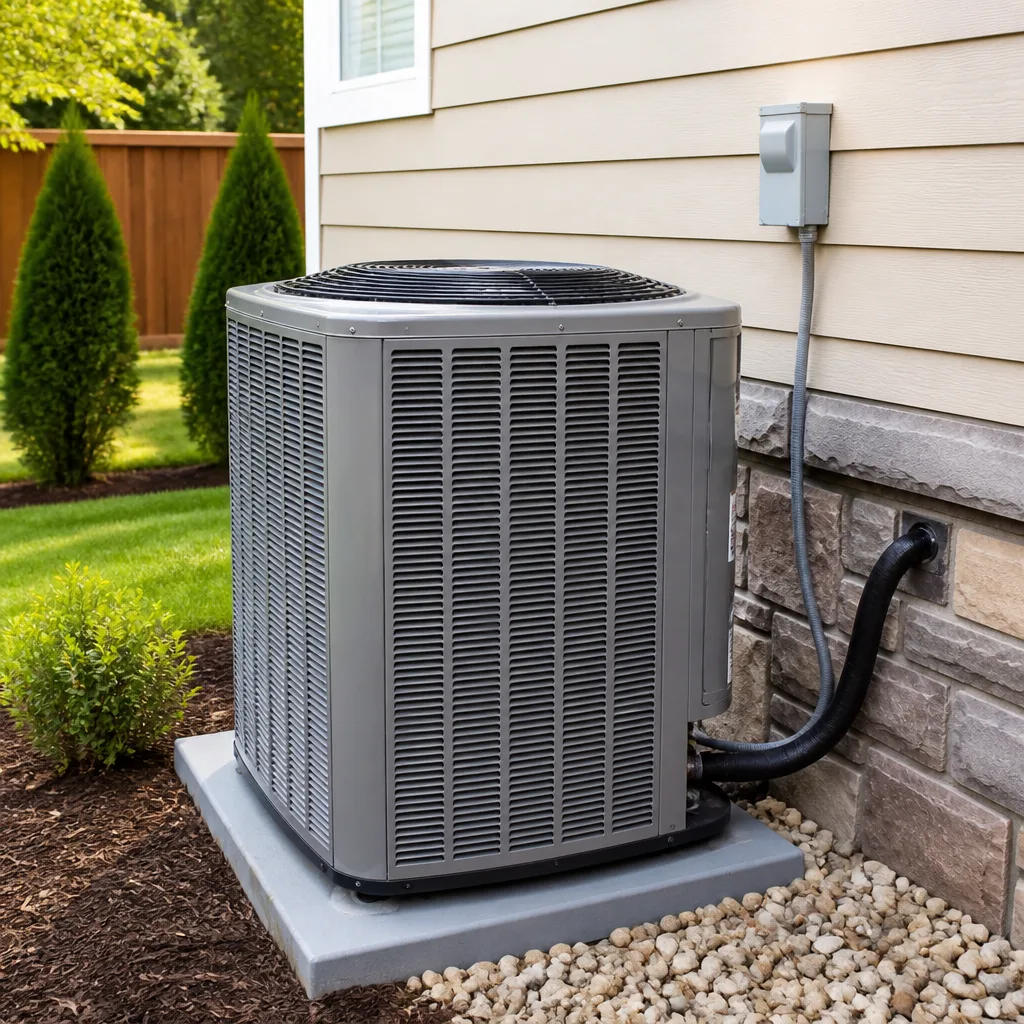 AC repair
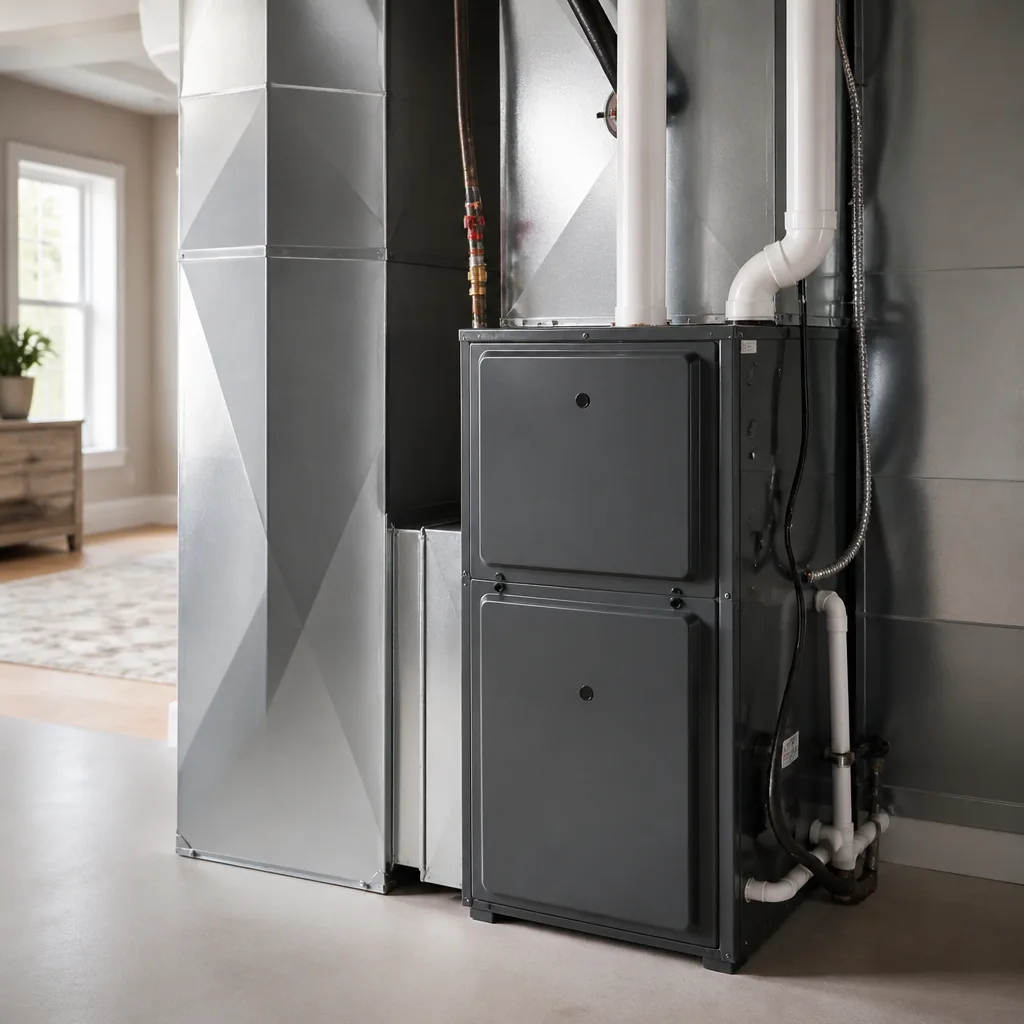 Furnace & heating
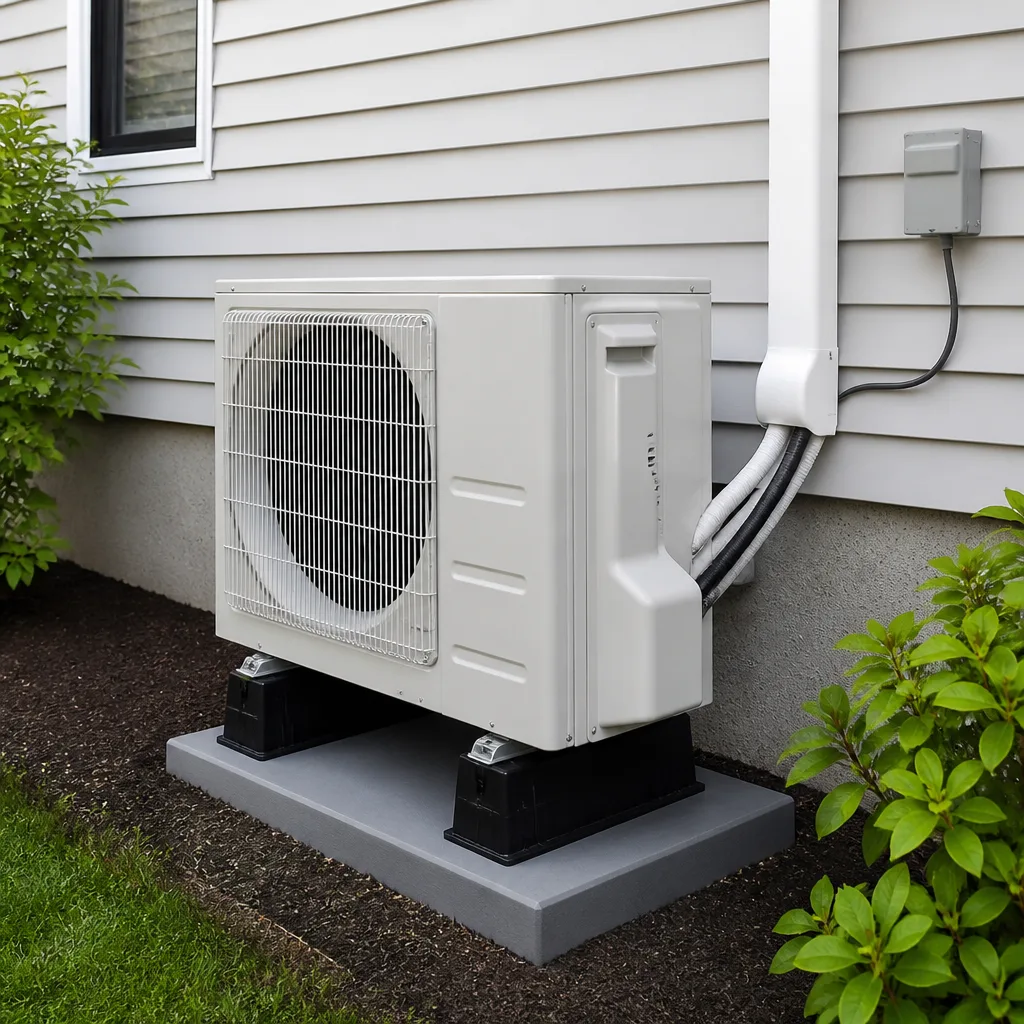 Heat pumps
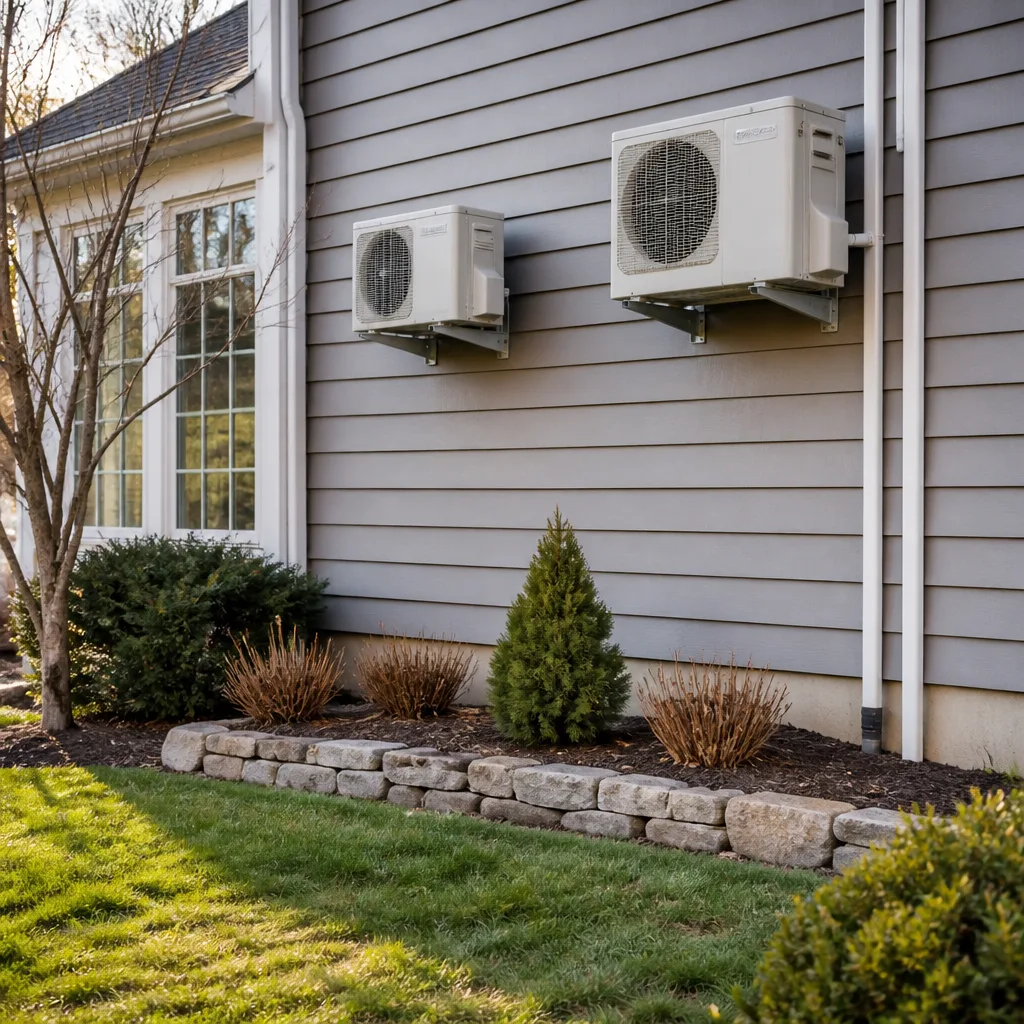 Ductless mini splits
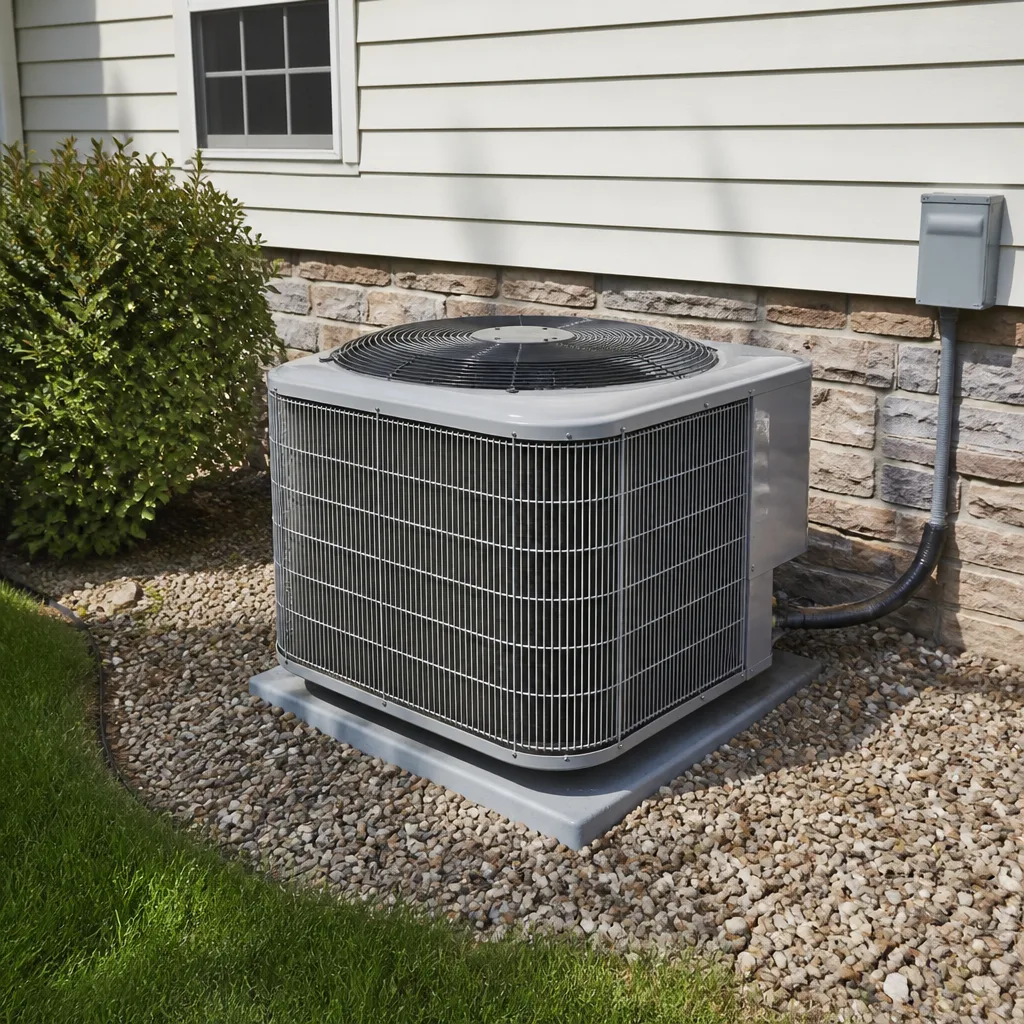 Carrier
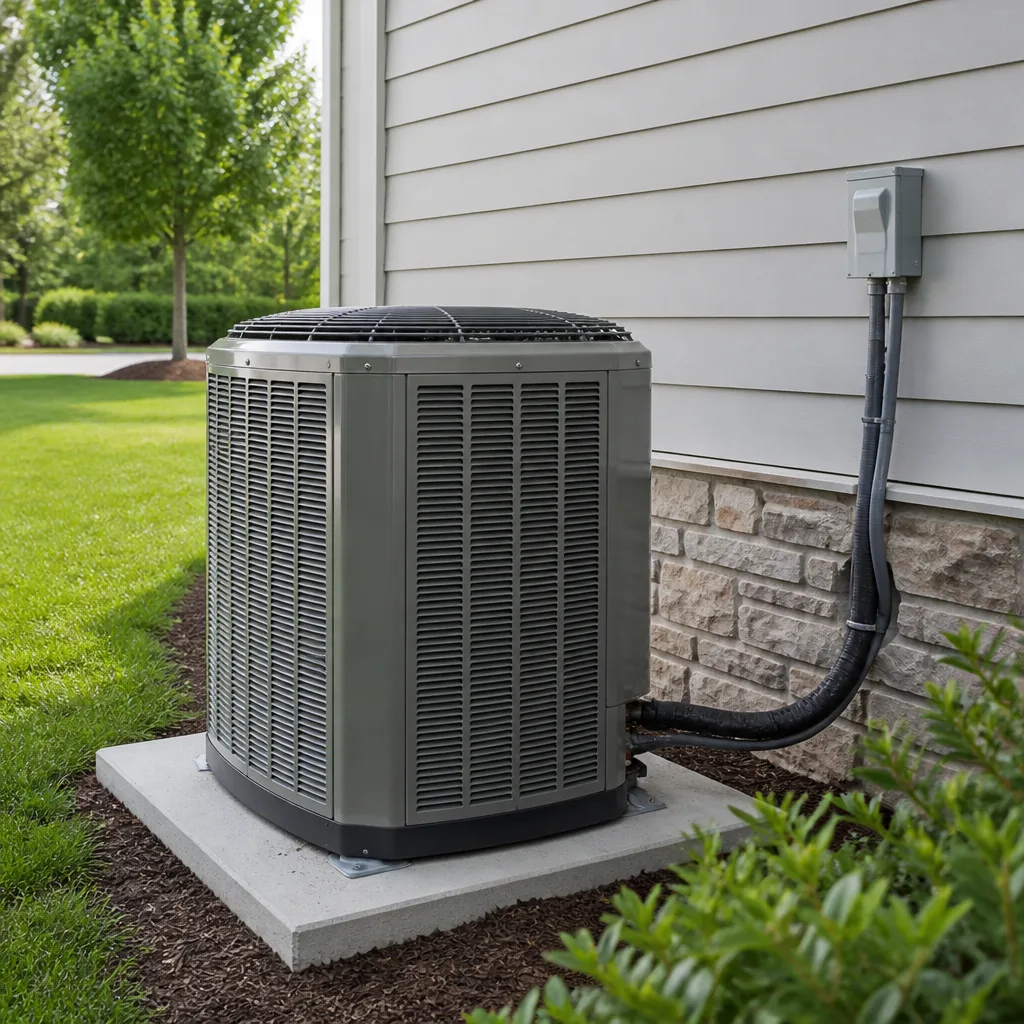 Trane
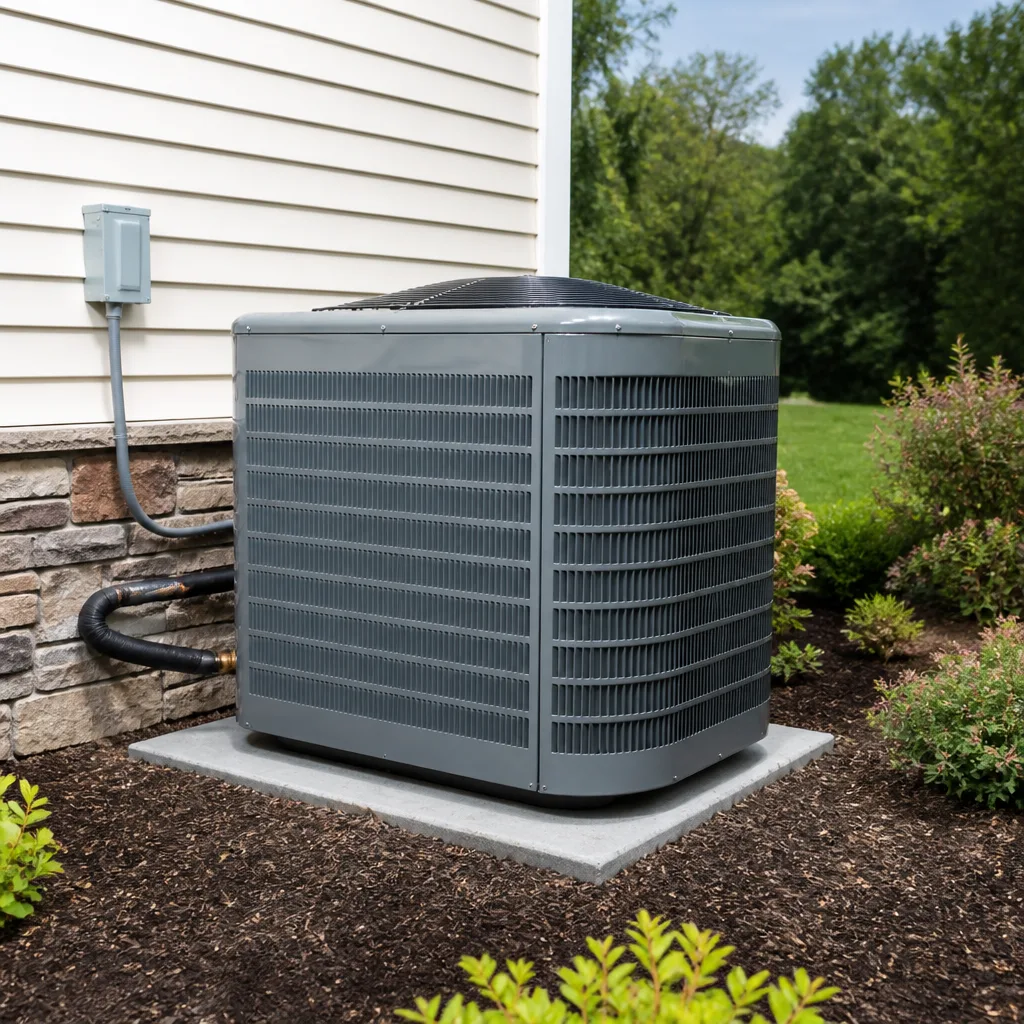 Goodman
Seasonal tune-up and full diagnostic on your Carrier, Trane, or Goodman system - readings shown to you before any repair is proposed
Diagnosis first, numbers second - you approve the repair price before a single part goes in.
Get your free estimateAC Repair Troubleshooting in Hayward: Common Problems and How to Fix Them
If your AC runs constantly but the house never cools below 76°F on a Hayward summer afternoon, the problem almost certainly isn’t your thermostat, and replacing filters won’t fix it either. Most troubleshooting guides stop at the obvious: check the thermostat, change the filter, make sure the breaker is on. That advice is fine as far as it goes, but it doesn’t explain why your system is short cycling, freezing up, or tripping breakers while the house stays warm. This guide skips the basics and works from symptoms instead. We’ll walk through what each failure pattern usually points to, how to tell a wait-and-watch problem from a shut-it-off-now problem, and how to describe what you’re seeing so a technician diagnoses it right the first visit. If you’re in Hayward and your cooling has gone sideways, this is where to start.
Quick Answer
Most AC problems that stump Hayward homeowners fall into four categories: low refrigerant (which shows up as weak cooling and ice on the lines), airflow restriction (frozen coils, warm vents), short cycling (a system that starts and stops every few minutes), and electrical faults (tripped breakers, a unit that won’t start at all). Check the filter and thermostat first, then match your symptom to the sections below. Anything involving ice, refrigerant lines, or repeated breaker trips needs a technician, not a homeowner fix. For anything you can’t safely diagnose, AC Repair Hayward offers free estimates and can walk you through what you’re seeing.
Styles & brands we work with
- AC repair
- Furnace & heating
- Heat pumps
- Ductless mini splits
- Carrier
- Trane
- Goodman
Table of Contents
- Symptom-Based Diagnosis: Match What Your System Is Doing to the Likely Cause
- Why Your AC Runs but Won’t Cool the House
- Short Cycling: What It Means and Why It Matters
- Frozen Coils and Ice on the Lines
- Drain Pan Overflow and Water Around the Unit
- The Hayward Humidity Trap: When It Feels Broken but Isn’t
- Tripping Breakers and Electrical Symptoms
- How to Describe Symptoms So Your Diagnostic Visit Is Faster
Symptom-Based Diagnosis: Match What Your System Is Doing to the Likely Cause
Start here. Before you touch anything, match the symptom you’re seeing to the patterns below. This isn’t a repair manual, it’s a map. The goal is to help you understand which problems are safe to monitor, which need the system shut off, and which almost always mean a call.
If the system runs nonstop and the house stays warm: this usually points to low refrigerant, a dirty condenser coil, or a failing compressor. In our experience across Hayward, the first two account for the large majority of these calls, and the third is less common than homeowners fear.
If the system starts and stops every few minutes: short cycling. Most often caused by an oversized or undercharged system, a failing capacitor, a thermostat placed in a bad spot, or restricted airflow. Not immediately dangerous, but hard on the compressor.
If ice is forming on the indoor coil or the refrigerant lines: airflow restriction or low refrigerant. Turn the system off at the thermostat and don’t run it until a technician sees it. Running a frozen unit can damage the compressor.
If water is pooling around the indoor unit or the drain pan is full: clogged condensate drain, or a drain pump that’s failed. Turn it off and call. Standing water near electrical components isn’t a wait-and-see situation.
If the breaker trips when the AC starts: electrical fault in the compressor, the capacitor, the wiring, or the breaker itself. Turn the system off and don’t reset the breaker more than once. Repeated resets risk damaging the compressor.
If the outdoor unit won’t start at all but the indoor blower runs: could be a capacitor, a contactor, a low-voltage control issue, or a tripped internal overload. This is the least urgent of the failure patterns as long as the indoor blower isn’t running dry constantly.
Three symptoms to shut the system off for
- Ice on the coil or lines. Running it frozen compounds the problem.
- Water pooling near the indoor unit or the electrical panel.
- Repeated breaker trips. One reset is diagnostic. Two or more is a stop signal.
Three symptoms you can safely monitor for 24 hours
- Inconsistent cooling between rooms. Could be ductwork, could be a zoning issue, could be the outdoor unit.
- Weak airflow at some vents but normal at others. Duct problem, not a refrigerant problem.
- Occasional short cycles that cluster around the hottest part of the day. Worth watching before calling.
Why Your AC Runs but Won’t Cool the House
An AC that runs and produces air movement but never drops the indoor temperature is the most common call we get in Hayward, and the least diagnosable from the thermostat alone. Airflow and cooling are two different things. If you’re feeling air at the vents but it’s not cold, the system is moving air but not removing heat.
Three things cause this pattern most often:
- Low refrigerant charge. The system has lost some refrigerant, usually through a slow leak at a joint or valve. The compressor runs harder and longer, the coil gets too cold, and eventually ice forms. Weak cooling is the early warning; ice on the lines is the late one.
- Dirty condenser coil. The outdoor unit’s coil is where heat leaves the system. When it’s matted with dust, pollen, or the fine grit that blows around the Hayward hills in summer, the system can’t reject heat efficiently. The symptoms look a lot like low refrigerant but the fix is cleaning, not charging.
- Restricted airflow inside. A clogged filter, a failing blower motor, or collapsed ductwork means the indoor coil gets too cold and stops absorbing heat. The thermostat says “cooling,” the vents blow air, but the air isn’t conditioned.
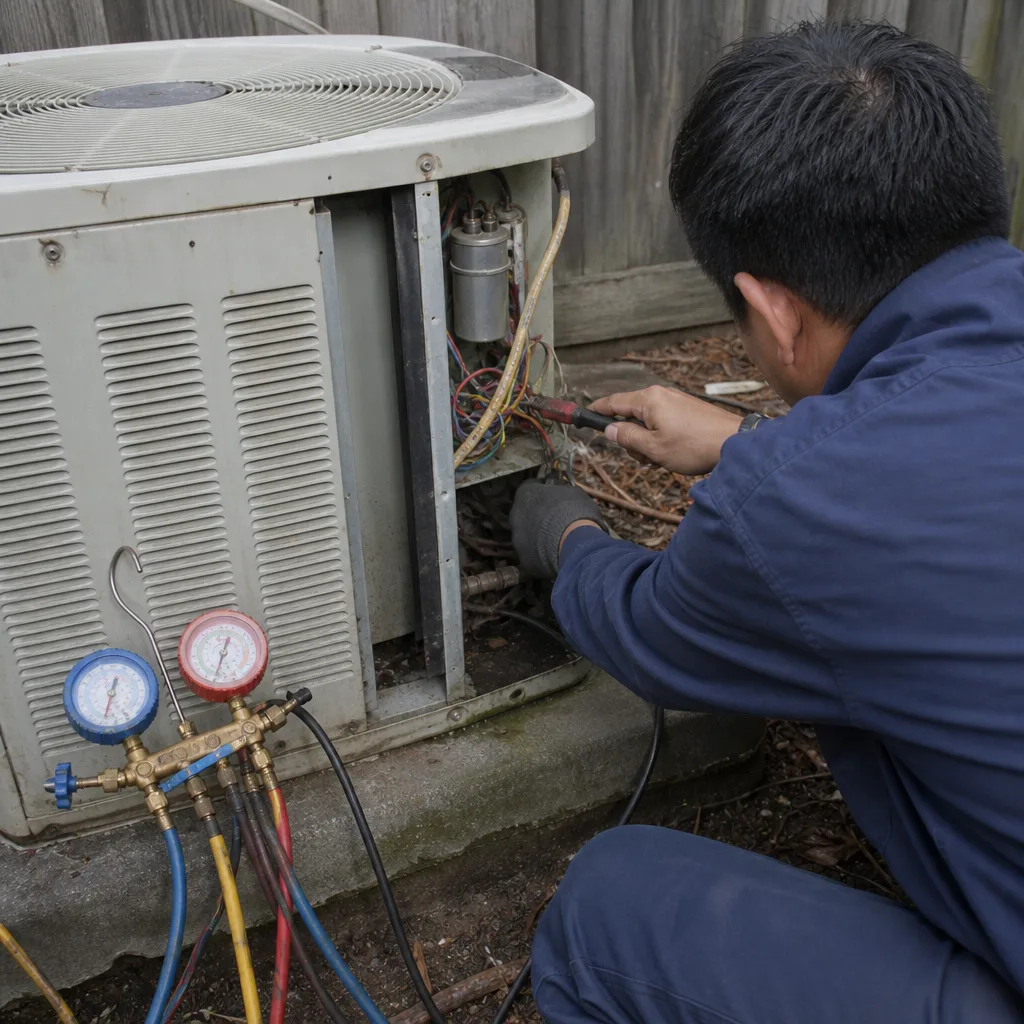
The good news is that these three are easy to separate once someone’s on scene. A technician checks the temperature split between the return and supply air (usually 15-20°F on a healthy system), checks refrigerant pressures, and looks at coil condition. What most homeowners can do before that visit is simple: change the filter if it’s been more than a month, look at the outdoor unit to see if the coil is visibly dirty, and note whether the indoor coil or lines show frost. Write down what you find.
If the split is off but the system isn’t frozen and the filter is clean, plan on a technician visit. Our AC repair team works on Carrier, Trane, and Lennox systems regularly and can usually tell from the panel whether the issue is refrigerant, airflow, or controls in the first fifteen minutes.
Short Cycling: What It Means and Why It Matters
Short cycling is when your AC turns on and off in short bursts, usually every few minutes, instead of running for a full cooling cycle. It’s the AC equivalent of a car engine that keeps stalling. The house may reach the set temperature eventually, but the compressor is being punished along the way.
Here’s why it matters. Compressors don’t like starting. The moment of start-up draws the most current and puts the most strain on the windings. A system that cycles six or eight times an hour instead of two or three wears out faster and uses more electricity for less cooling. Short cycling is one of the few AC symptoms that’s worth calling about even before the cooling actually fails.
The usual causes:
- Failing run capacitor. The capacitor gives the compressor and blower an initial boost. When it weakens, the motor struggles to start and trips out, causing rapid cycles. This is common, inexpensive to test, and worth checking first.
- Restricted airflow. A blocked filter or closed vents cause the system to over-cool the coil quickly and shut off before the house is comfortable.
- Oversized system. If the unit cools quickly and shuts off long before the house is properly dehumidified, the system may have been sized wrong when installed. This shows up most in Hayward homes built during fast-growth building periods where square footage got prioritized over manual J load calculations.
- Thermostat placement. A thermostat near a supply vent, in direct sunlight, or above a heat source will read the room wrong and cycle the system unnecessarily.
- Refrigerant overcharge. Less common, but real. An overcharged system builds pressure fast and shuts off on the high-pressure safety.
You can monitor short cycling for 24 hours before calling. Note how often it cycles, whether the house keeps up, and whether it happens more during the hottest hours of the day. That pattern tells a technician a lot about whether the root cause is electrical or load-related.
Frozen Coils and Ice on the Lines
If you see ice on the copper lines going into the indoor unit, or the indoor coil is visibly frozen, turn the system off at the thermostat. Do not run it. This is not a wait-and-see symptom.
Here’s what’s happening when your AC freezes: the system has either lost refrigerant (so the coil gets too cold) or lost airflow (so the coil can’t warm the refrigerant back up). Either way, moisture in the air condenses on the coil and freezes. As the ice builds, cooling stops. If you keep running it, the compressor pulls lower and lower pressure and can overheat and fail.
What you can safely check:
- Turn the thermostat to OFF. Not just cooler or higher; OFF.
- Change the air filter if it’s dirty. A badly clogged filter is the second-most-common cause of freeze-up and the one homeowners can fix.
- Check that all the supply and return vents in the house are open. Closing vents to redirect cooling is a common habit that causes freeze-up.
- Look at the outdoor unit. Is the fan running? Is the coil clean? Note what you see.
- Wait several hours for the ice to melt, then restart in cooling and watch. If it freezes again, call.
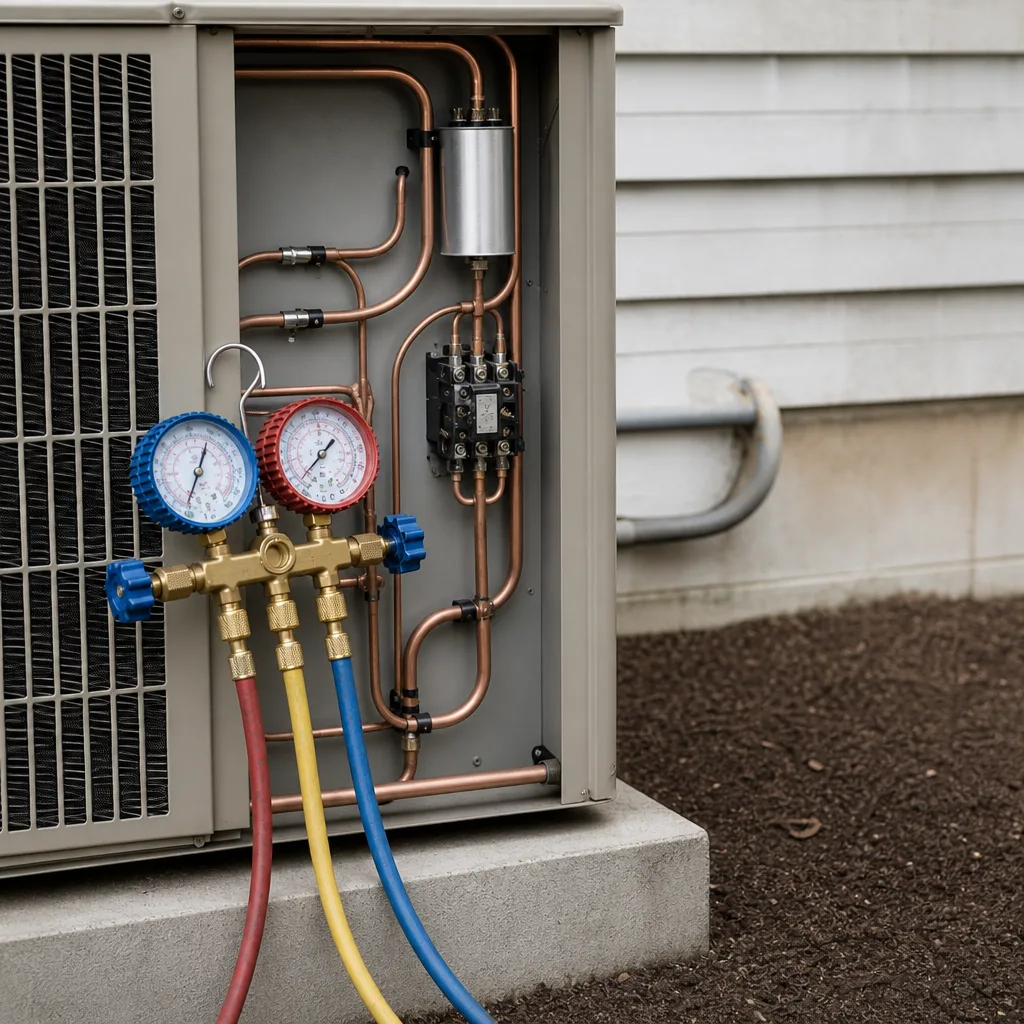
What you should not do: try to break the ice off, use a heat gun or hair dryer on the lines, or add refrigerant yourself. FC refrigerant handling requires EPA Section 608 certification, and the coils are fragile under ice. The refrigerant side of the system is where a trained technician earns their keep. If the system freezes after a clean filter and open vents, the diagnosis is either a refrigerant leak or a metering device problem, and both need gauges and training.
Freeze-ups in Hayward are common in mid-summer after a system has run hard for weeks. The same pattern shows up on Daikin and Bryant systems, though the brand-specific root cause sometimes differs. That’s one reason we work on so many makes; the diagnosis is faster when the technician already knows the platform.
Drain Pan Overflow and Water Around the Unit
Your AC produces water. The indoor coil condenses moisture out of the air all day, and that water runs down to a drain pan and out through a condensate line. When the line clogs or the drain pump fails, water backs up into the pan and eventually onto the floor, the ceiling below, or into the airstream.
Signs you’re dealing with a drain problem rather than a cooling problem:
- Water stains or standing water near the indoor air handler or furnace.
- The system shuts off after running a while and starts again later. Many systems have a float switch that cuts power when the pan fills.
- A musty or damp smell at the vents.
- Visible water in the drain pan.
Turn the system off and call. Water near electrical components is not a monitor-it situation. The good news is that drain problems are usually quick to fix: clear the line, check the trap, verify the pump if there is one. What you shouldn’t do is run the system with a full pan in the hope it drains on its own. It doesn’t, and the water damage it causes is far more expensive than the drain clearing.
One Hayward-specific note: in older homes around the Hayward hills and the neighborhoods closer to the bay, condensate lines sometimes exit through tight wall cavities where a clog is easy to miss until the water shows up at the ceiling. If you’ve got a water stain and no obvious source, the condensate drain is worth ruling out early.
The Hayward Humidity Trap: When It Feels Broken but Isn’t
Here’s a pattern that catches a lot of Hayward homeowners, especially on foggy evenings when the marine layer pushes in. The house feels sticky and uncomfortable, so the assumption is the AC is failing. But the actual problem is humidity, not temperature, and the system may be working exactly as designed.
An AC does two jobs: it drops the temperature and it removes moisture from the air. When it runs in short cycles, it does the first job but not the second. The system cools the house to the thermostat setpoint and shuts off before it has run long enough to dry the air out. On a foggy Hayward evening, the outdoor air is already saturated. Every minute the system runs, it’s pulling moisture out of the indoor air, but if the system is cycling quickly, there’s not enough runtime to make a difference.
The signs you’re dealing with a humidity problem, not a cooling problem:
- The thermometer reads 72°F but the house feels warmer and sticky.
- The windows fog up on the inside on cool evenings.
- Rooms near the bay or in the flats feel worse than rooms higher up the hills.
- Condensation forms on cold interior surfaces like tile or glass.
What usually helps: run the fan continuously during muggy stretches so it keeps pulling air across the coil even between cooling cycles, and if you have the option, set the thermostat a couple of degrees lower so the system runs longer cycles rather than short bursts. Leave the windows closed on foggy evenings. If the problem persists after a week of cooler, drier weather, it’s worth a diagnostic visit to check for a hidden cooling-side issue. If it only shows up on foggy evenings and clears otherwise, you’re likely looking at a system that’s fine and a house that needs longer runtime.
This is one of the misreads that costs homeowners the most in unnecessary service calls. Clearing it up over the phone is one reason we ask what your thermostat reads and how the house feels before we book a visit.
Tripping Breakers and Electrical Symptoms
When the breaker trips every time the AC starts, that’s an electrical fault and it needs professional attention. Do not keep resetting the breaker. One reset tells a technician something useful; multiple resets can damage the compressor or the wiring.
The likely causes, roughly in order of how often we see them:
- Failing start capacitor or run capacitor. The capacitor gives the compressor motor its initial kick. When it’s weak or blown, the surge current spikes and trips the breaker.
- Compressor drawing locked-rotor current. The compressor is seized or dragging, pulling far more current than the breaker allows. This is the expensive one.
- Loose or corroded wiring at the contactor or breaker. Common in older Hayward homes where the outdoor unit has been exposed to decades of temperature cycling.
- Breaker itself failing. Less common than the AC parts, but happens. A weak breaker can trip under normal AC load.
- Contactor failure. The contactor is the relay that connects power to the compressor. A burned or pitted contactor behaves intermittently and can cause breaker trips or a system that won’t start at all.
Electrical panel and wiring work carries real risk. This is not a homeowner diagnostic; even with the breaker off, capacitors hold charge and can deliver a shock. A licensed technician has the tools to test capacitors safely, the training to evaluate a compressor without damaging it, and the insurance to cover the work. If your AC is tripping breakers, call us at (888) 870-1847. We answer 24/7, and our AC repair technicians have up to 10 years of experience with panel diagnostics on systems across the nine brands we service.
How to Describe Symptoms So Your Diagnostic Visit Is Faster
A good diagnostic call is cheap. A vague one costs more, because the technician has to run every test in the book to narrow down what you’re seeing. The more specific you can be from the phone, the faster the visit and the less you pay for time spent guessing.
Before you call, take five minutes and gather these five pieces of information:
- The brand and model of your outdoor unit. The sticker is on the side of the cabinet. Note the model number. If it’s a Daikin, Carrier, Trane, Bryant, American Standard, Lennox, Goodman, Rheem, or York, we’ll recognize the platform immediately.
- What the thermostat is doing. Setpoint, current room temperature, whether the screen is lit, whether it’s showing any error code. If there’s a code, write it down verbatim.
- What you see and hear at the outdoor unit. Is the fan running? Is the compressor humming but not starting? Do you hear clicking every few minutes? Is there ice on the copper lines?
- What you see at the indoor unit. Any water in the pan or around the unit? Any frost on the indoor coil or lines? Is the blower running?
- When it started and what changed. Did it happen overnight? After a heat wave? After you changed the filter or closed vents? Any recent work on the house?
That five-item list is the difference between a technician who shows up knowing what to test and one who spends the first thirty minutes recreating what you already know. We’re happy to talk through it with you on the phone before the visit.
What to tell us about short cycling
If the system is short cycling, note how many minutes it runs and how many minutes it rests. Homeowners counting “on” and “off” for twenty minutes gives us more information than any description. If the on-time is under two minutes consistently, tell us that. It shifts the diagnosis toward the capacitor or the thermostat before we arrive.
What to tell us about freeze-ups
If the system froze, tell us whether it has frozen before, whether the filter had been changed recently, and whether any vents were closed. Those three answers point straight to the likely cause. If it’s a first-time freeze-up with a clean filter, take a picture of the frozen area before you turn the system off and let it thaw; the pattern of ice tells a technician whether the frost was refrigerant-side or airflow-side.
Common Mistakes to Avoid
- Resetting the breaker more than once. One reset is diagnostic. Two or more can damage a compressor that’s already struggling. If it trips again, stop and call.
- Adding refrigerant without a gauge set and EPA certification. Refrigerant handling requires certification, and over- or under-charging a system is worse than leaving it alone. If you think your system is low, call us and let someone test it.
- Running the AC while it’s frozen. Turning the thermostat off (not just higher) is the only safe response. Ice on the coil means stop, not “let’s see if it catches up.”
- Closing vents to “redirect” cooling to warm rooms. Closing supply vents raises system pressure, causes the indoor coil to freeze, and makes the whole house less comfortable. In Hayward homes with older ductwork, this is one of the most common self-inflicted AC problems.
- Mistaking humidity for cooling failure on foggy evenings. If the thermometer reads 72°F and the house feels sticky, the AC isn’t broken; it’s cycling too fast to dehumidify. Turn the fan on and run longer cycles before calling.
- Waiting until the system fails completely. Weak cooling, occasional short cycling, and slightly warm vents are warning signs. Calling when you notice them usually costs less than calling when the system is dead.
- Booking a technician without the model number. Brand-specific diagnostics go faster when the technician knows from the call which platform they’re working on. A Goodman capacitor and a Trane capacitor aren’t the same thing.
See the difference
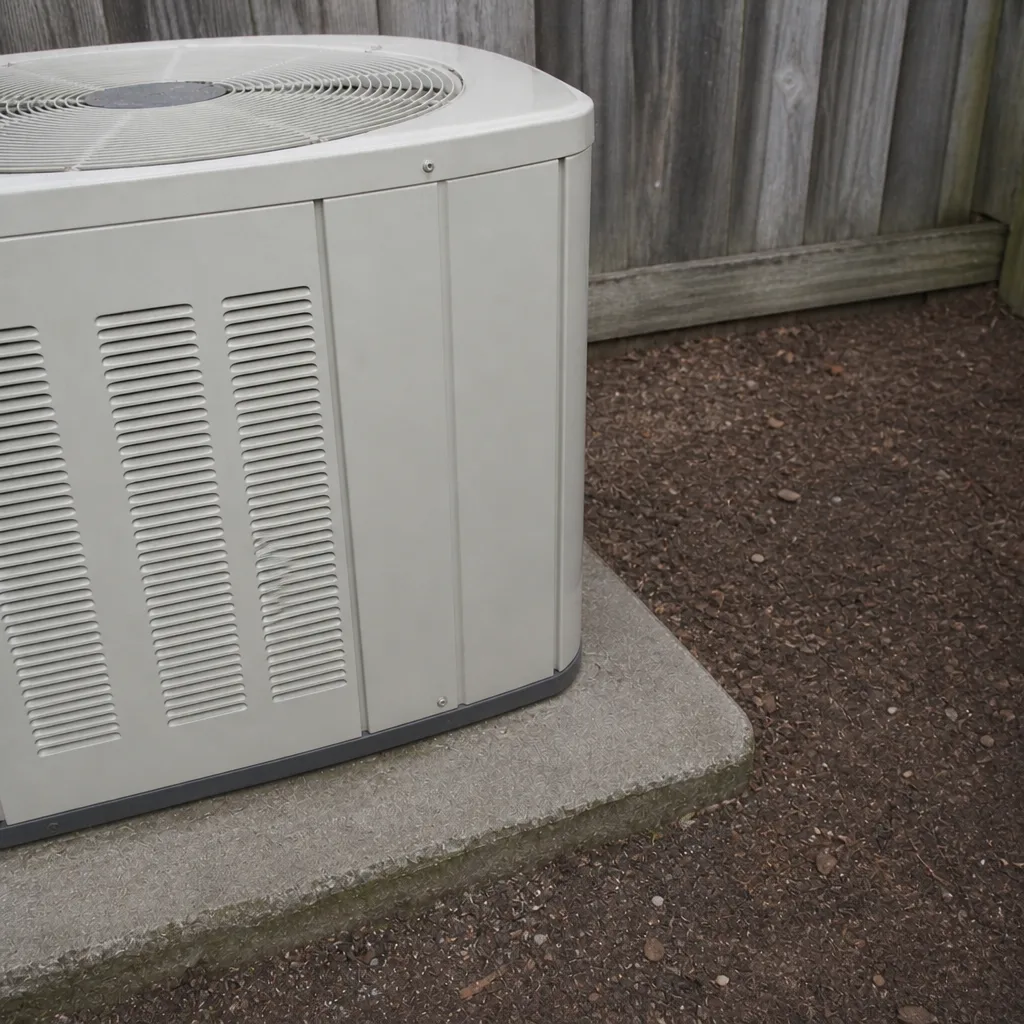
 Before
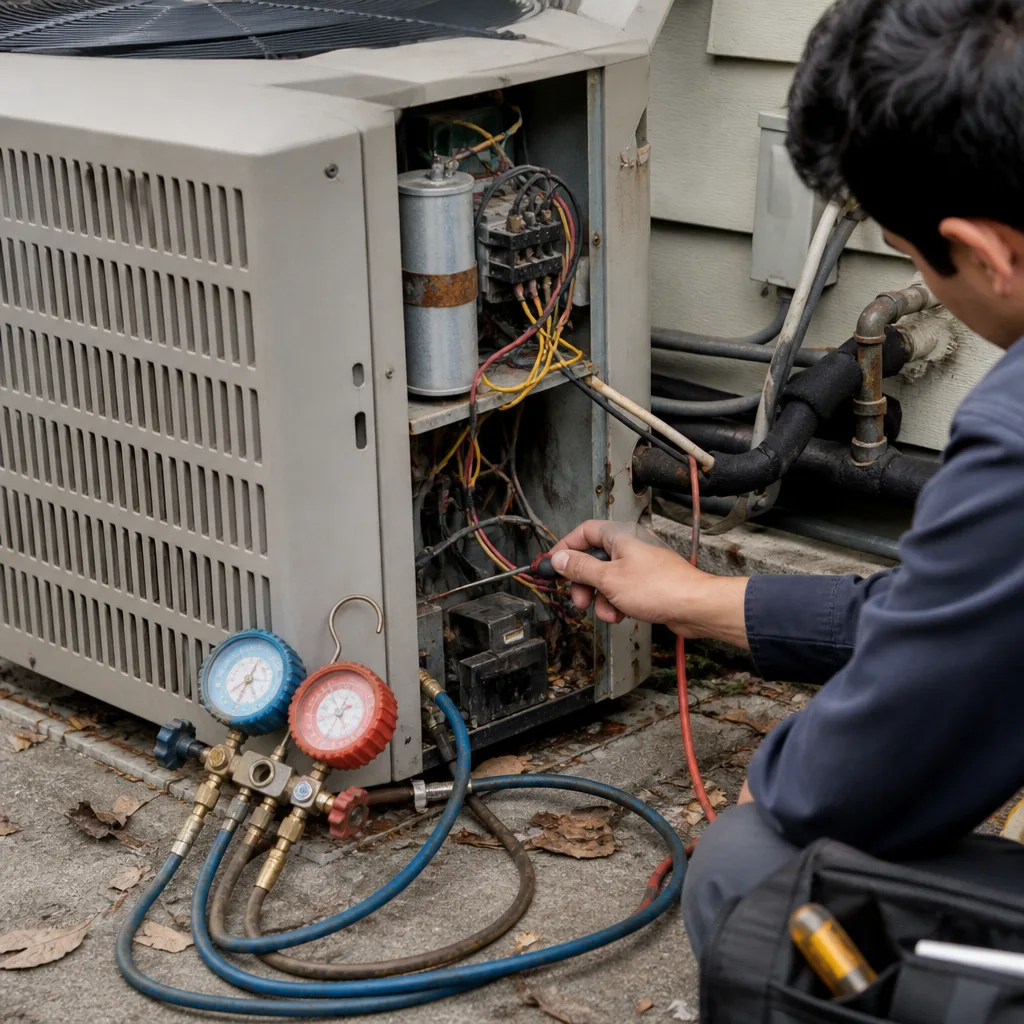
 After
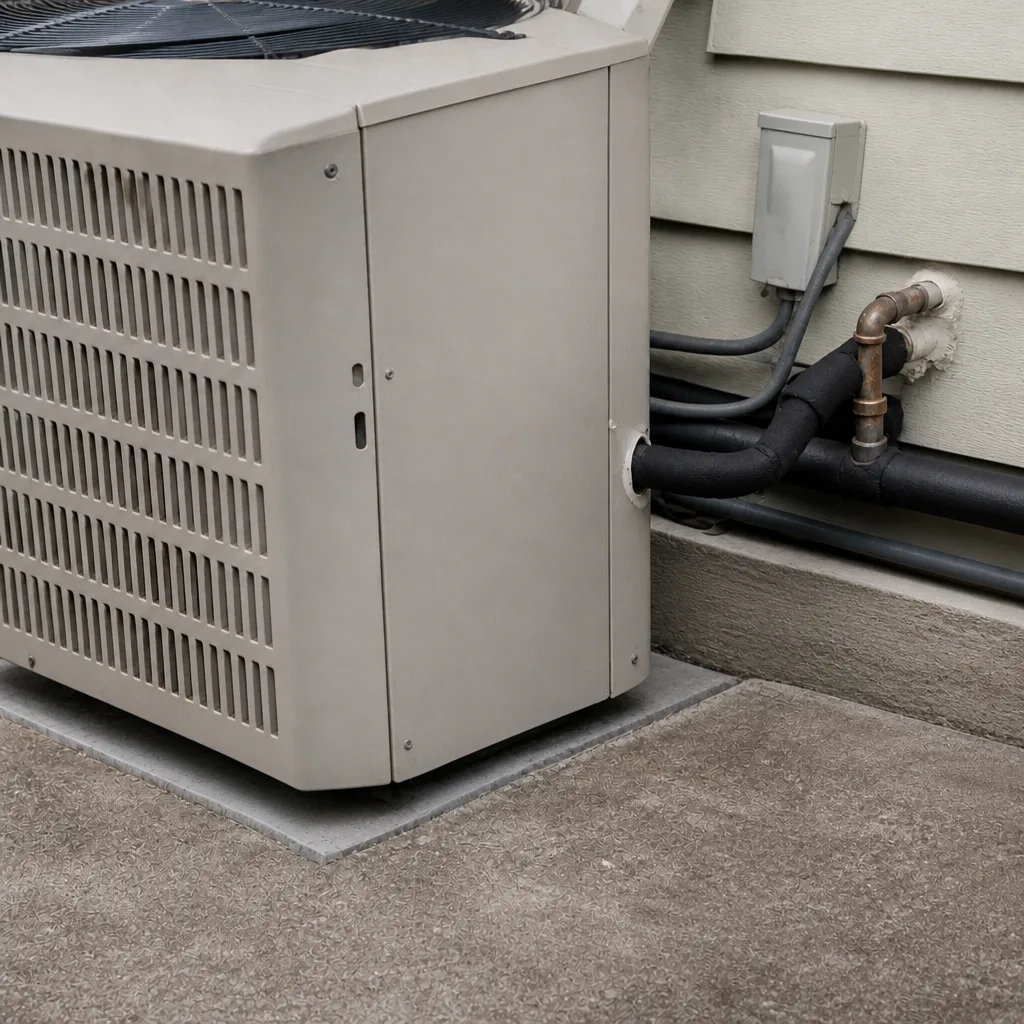
 Before
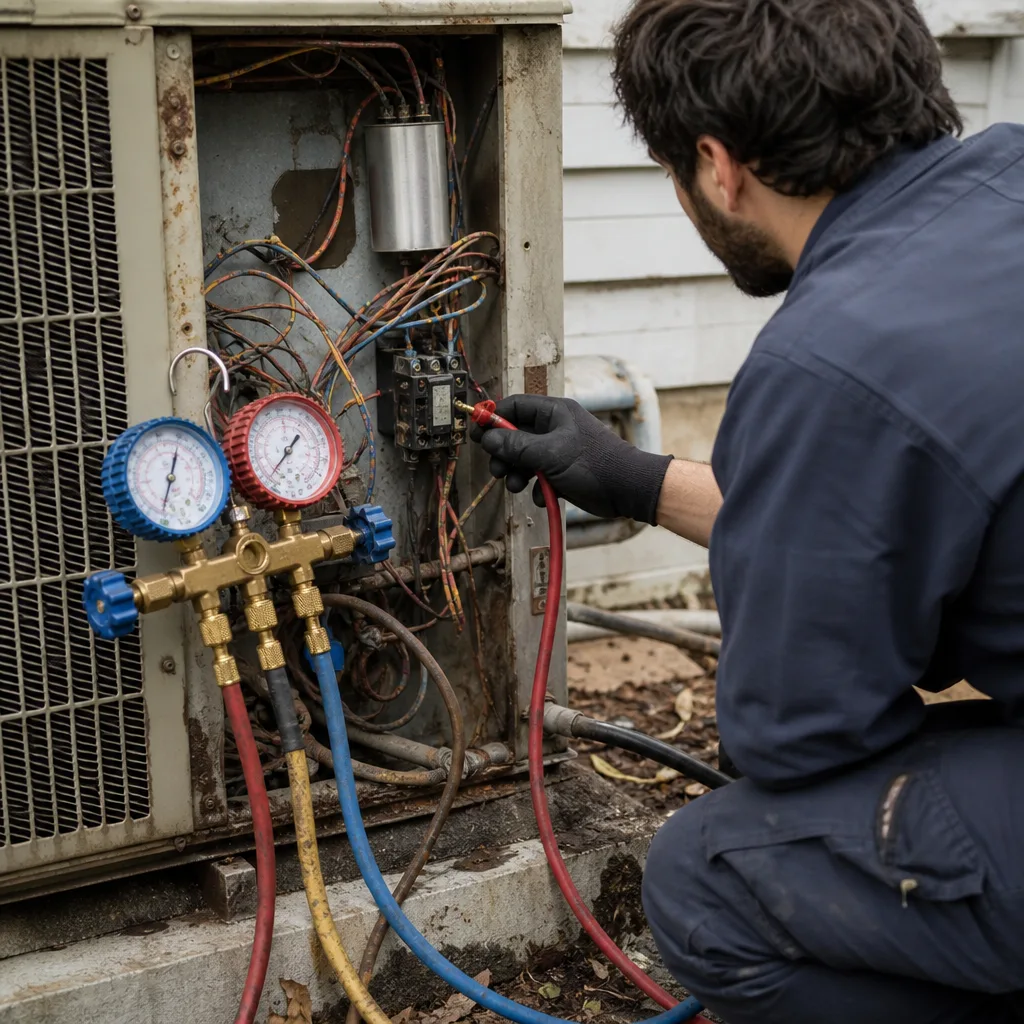
 After
 Before
 After
When to Call a Professional
Call us if you’re seeing ice on the coil or lines, water pooling around the indoor unit, repeated breaker trips, a system that’s fully dead, or cooling that’s dropped significantly and hasn’t recovered after a clean filter. Call sooner if the household includes infants, elderly residents, or anyone with a health condition that makes heat dangerous; a failed AC in a Hayward heat wave isn’t just uncomfortable, it’s a health issue.
If the symptom is mild (weak cooling, occasional short cycling, inconsistent temperatures between rooms) you can usually monitor it for a day or two while you gather the model number and thermostat readings. What you don’t want to do is keep running a system that’s frozen, tripping breakers, or leaking water. Those three need a technician now, not next week.
AC Repair Hayward offers free estimates in Hayward. Call (888) 870-1847. We answer 24/7, and fast dispatch from 7am to 7pm, Sunday through Friday, gets a technician to your door with the tools and parts to diagnose on the first visit. Our technicians have up to 10 years of experience and work on all nine major brands: Carrier, Trane, Lennox, Goodman, Rheem, York, Daikin, Bryant, and American Standard. If you’re weighing repair against replacement, our AC installation team handles that conversation without pressure.
Frequently Asked Questions
The three most common causes are low refrigerant, a dirty condenser coil, or restricted airflow from a clogged filter or duct issue. Check the filter first, then look at the outdoor unit for visible dirt on the coil. If the filter is clean and the coil looks clear but the house still won’t cool, a technician needs to check the temperature split and refrigerant pressures. Call (888) 870-1847 for a free estimate; we answer 24/7 and dispatch Sunday through Friday, 7am to 7pm.
Look for ice on the copper lines going into the indoor unit, frost on the indoor coil, or visible ice on the outdoor unit’s lines. If you see any of these, turn the thermostat to OFF and let it thaw. Running it frozen can damage the compressor. Once it thaws, refreeze-up after a clean filter means a refrigerant or airflow issue that needs a technician. Call us to book a diagnostic; the earlier we see it, the less expensive the fix usually is.
Some cycling is normal as the system meets the setpoint, but more than three or four on-off cycles per hour during the day means something is off. The most likely causes are a weak capacitor, restricted airflow, or a thermostat placed badly. Short cycling wears out the compressor faster, so it’s worth a call before the failure. Call (888) 870-1847 and we’ll help you sort out whether it’s worth a visit.
That’s usually a humidity issue, not a cooling issue. On foggy evenings the outdoor air is already saturated, and a system that cycles quickly doesn’t run long enough to pull the moisture out. Leave the windows closed, set the thermostat a couple of degrees lower, and run the fan continuously so air keeps moving across the coil. If it persists in dry weather, it’s worth a diagnostic. Call us to talk it through first; sometimes it doesn’t need a visit.
No. Refrigerant handling requires EPA Section 608 certification, and over- or under-charging a system can cause more damage than the original leak. If your system is low, call us and let a technician test pressures and find the leak before adding anything. We work on all nine major brands, including Daikin and Bryant, and can diagnose refrigerant issues in a single visit.
Breaker trips, a system that won’t start at all, or a compressor that hums without kicking over usually point to electrical. Weak cooling, freezing, and short cycling lean mechanical or refrigerant. If your breaker trips the first time you turn the system on after a period of rest, that’s a sign the start capacitor or a connection has failed. Either way, don’t reset the breaker more than once; call us at (888) 870-1847 and we’ll tell you what to check safely before a technician arrives.
The Bottom Line
Most AC problems aren’t mysterious. They fall into four patterns: weak cooling from low refrigerant or dirty coils, freeze-ups from restricted airflow, short cycling from a weak capacitor or bad thermostat placement, and electrical faults that trip breakers. The three symptoms that always mean turn the system off are ice on the lines, water around the unit, and repeated breaker trips. Everything else you can usually monitor for 24 hours while you gather the model number and thermostat readings. That information makes your diagnostic visit faster and cheaper, and it’s what separates a homeowner who’s managed the problem from one who’s been surprised by it. If you’re in Hayward and your cooling has gone sideways, we work on the brand you own. Call us and let’s get it diagnosed right the first visit.
Ready to get your AC sorted out? Call (888) 870-1847 for a free estimate from AC Repair Hayward. We answer 24/7, and fast dispatch from 7am to 7pm, Sunday through Friday, gets an experienced technician to your door. Whether you’re in the hills, the flats, or anywhere in between, we work on the nine major brands and have seen your system before. If the problem turns out to be a furnace issue instead, we cover that too; you can read more about Hayward‘s heating and cooling coverage and the surrounding service area. Call today; we’ll diagnose first and recommend second.
Written by the team at AC Repair Hayward.