
Last updated November 15, 2026
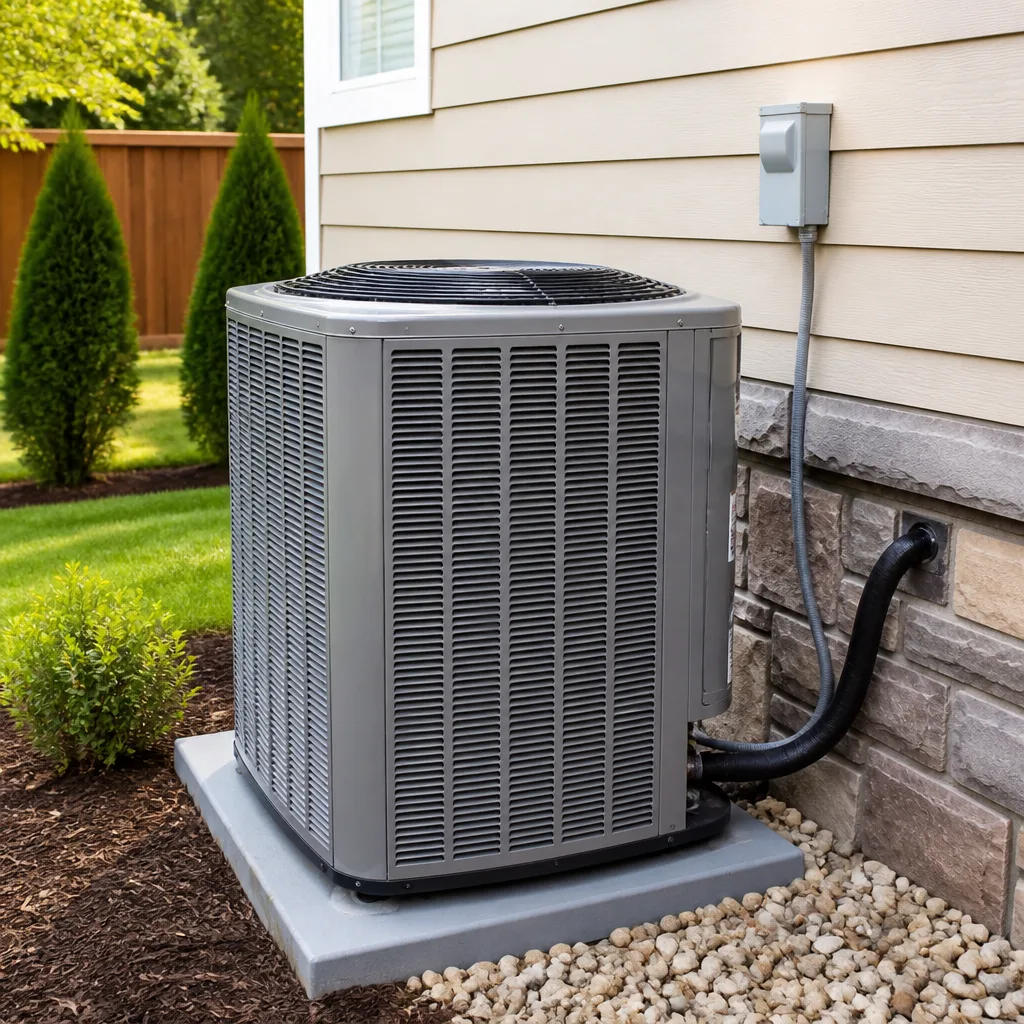 AC repair
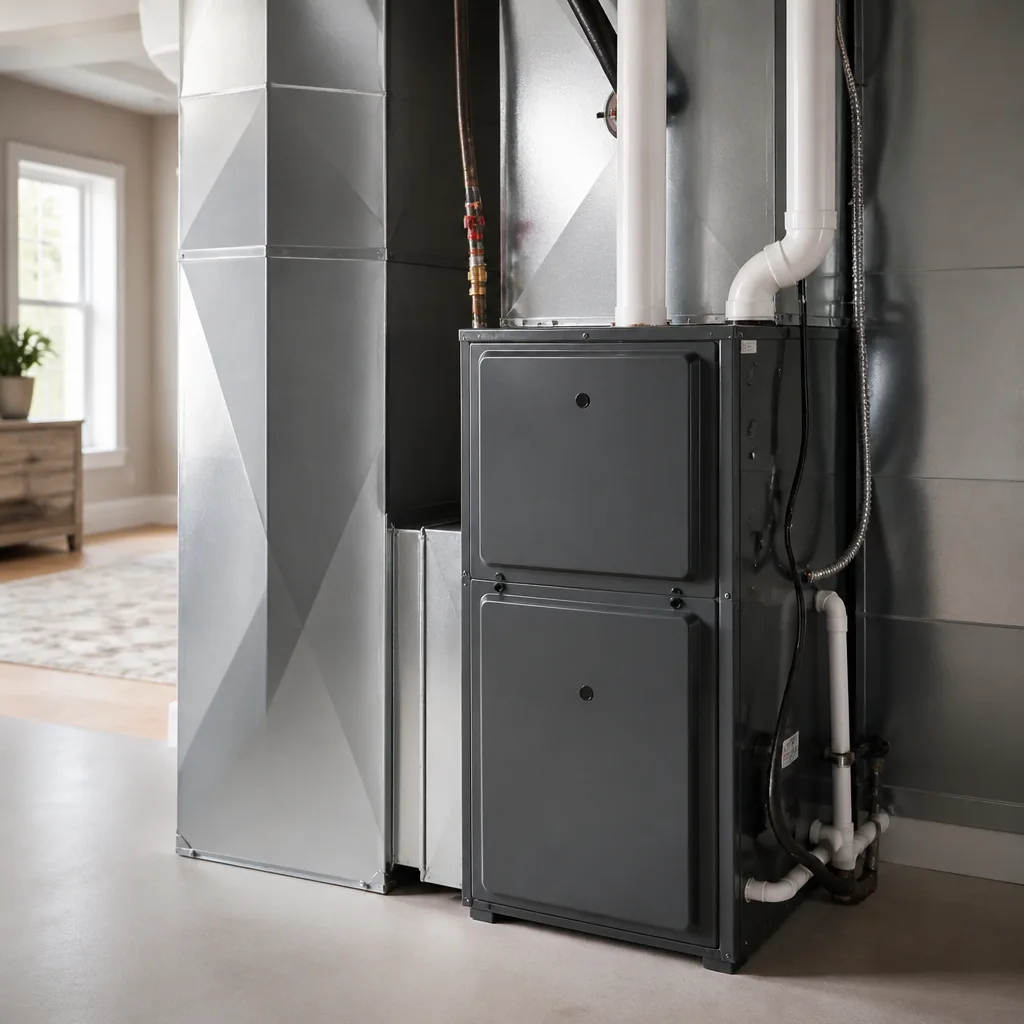 Furnace & heating
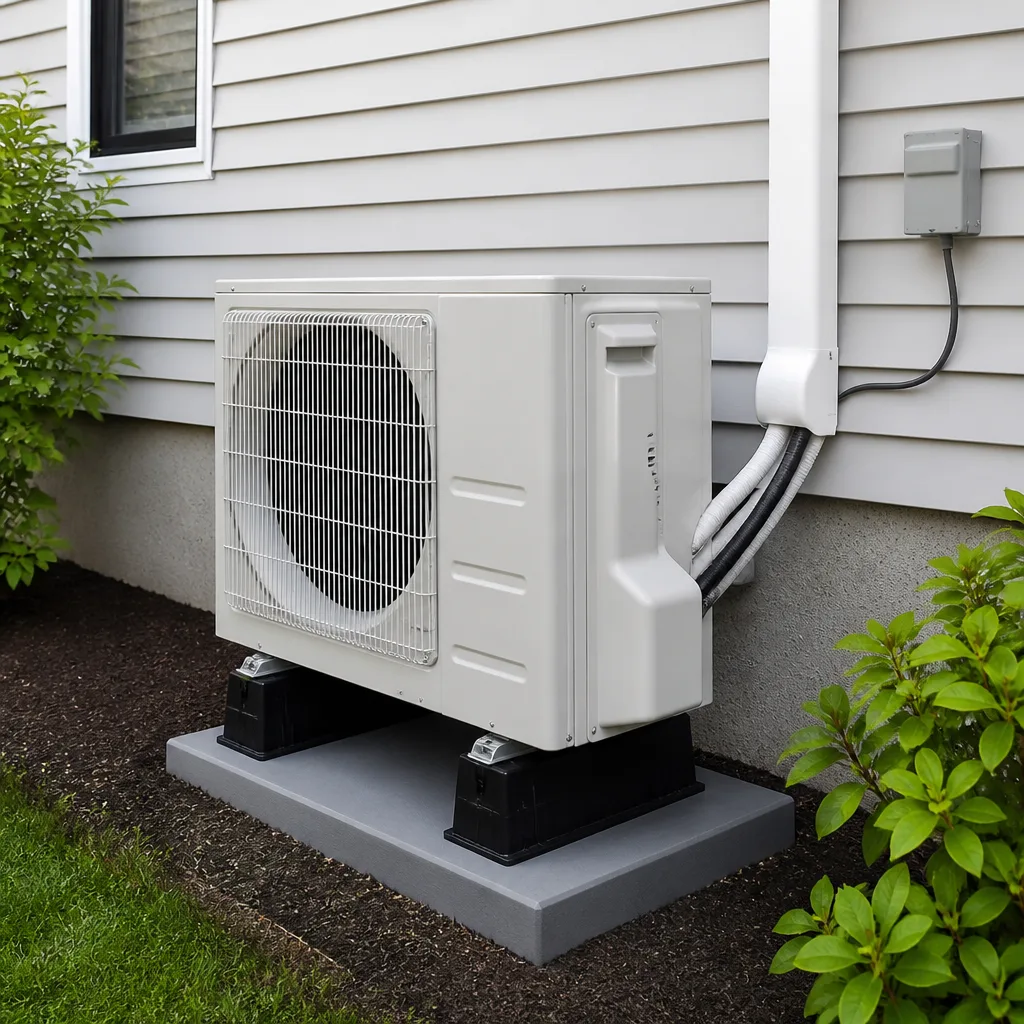 Heat pumps
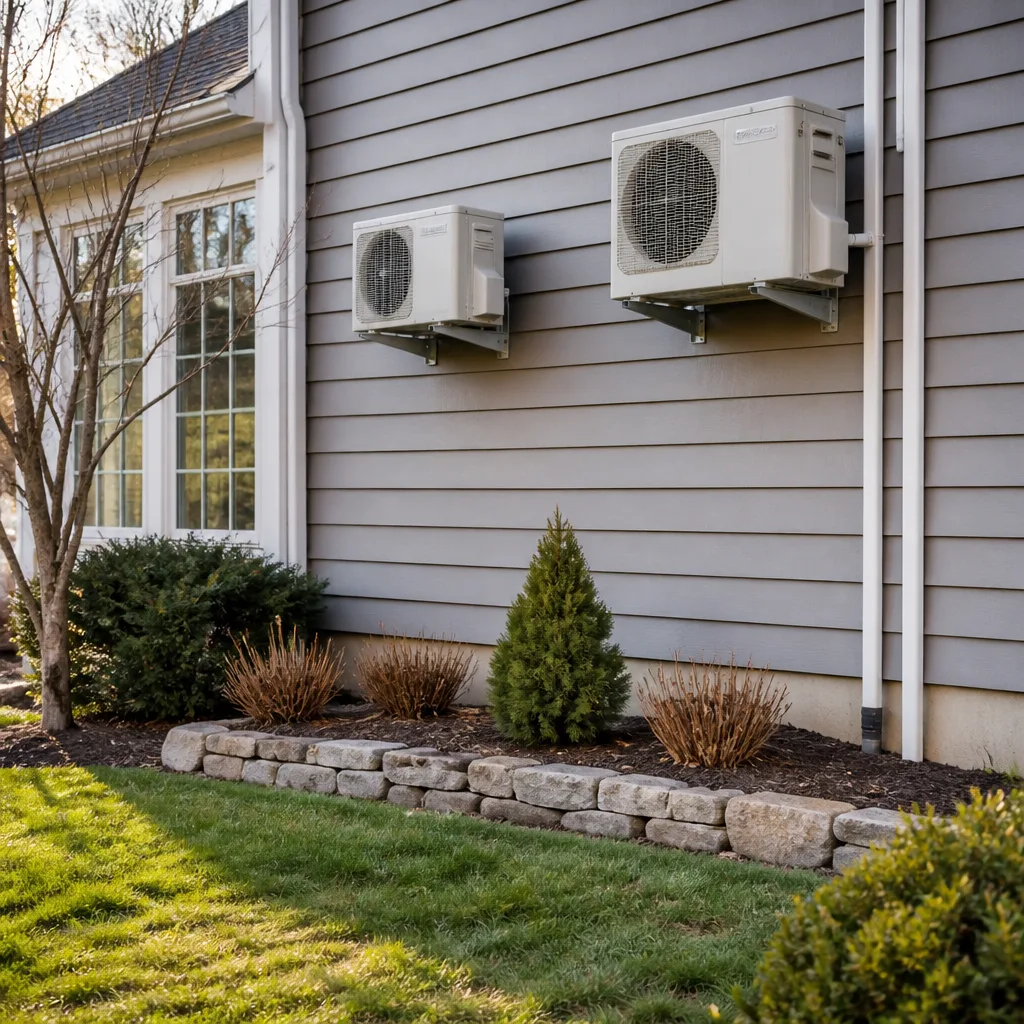 Ductless mini splits
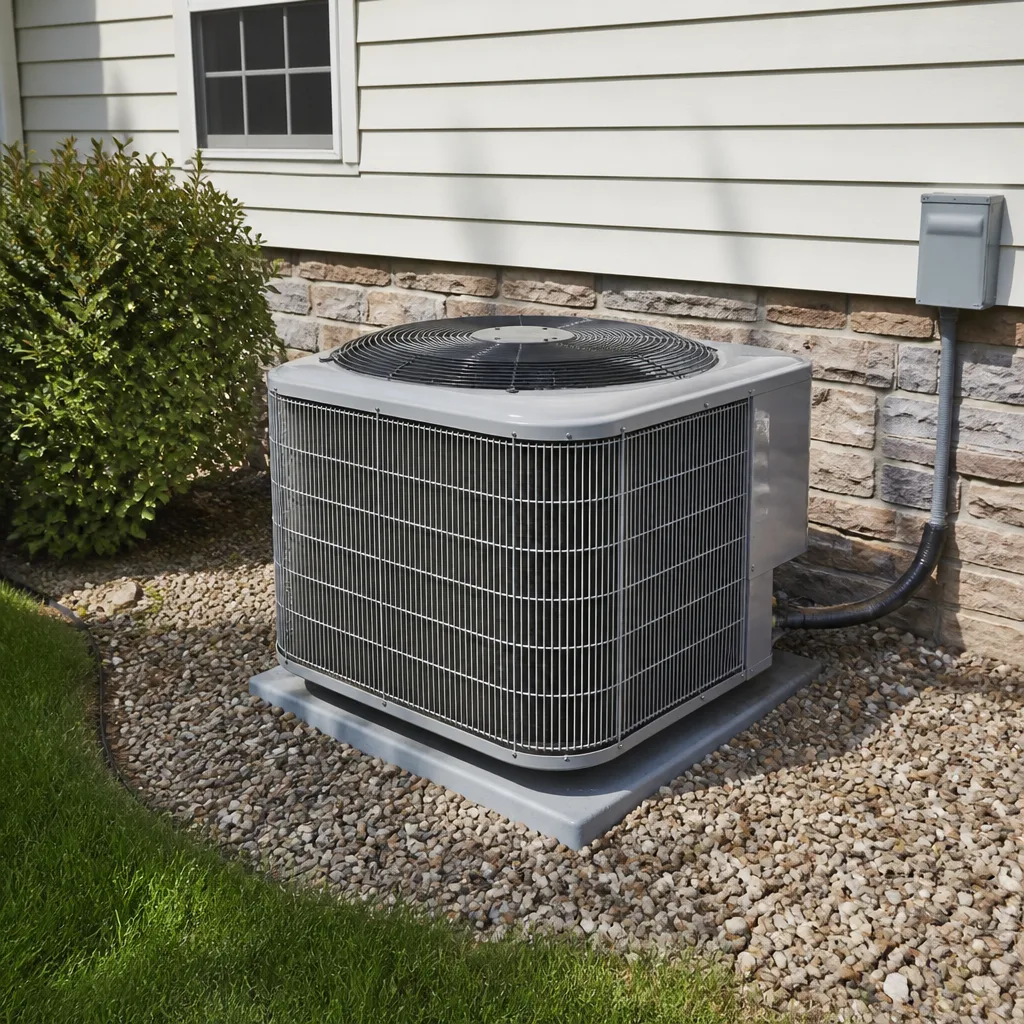 Carrier
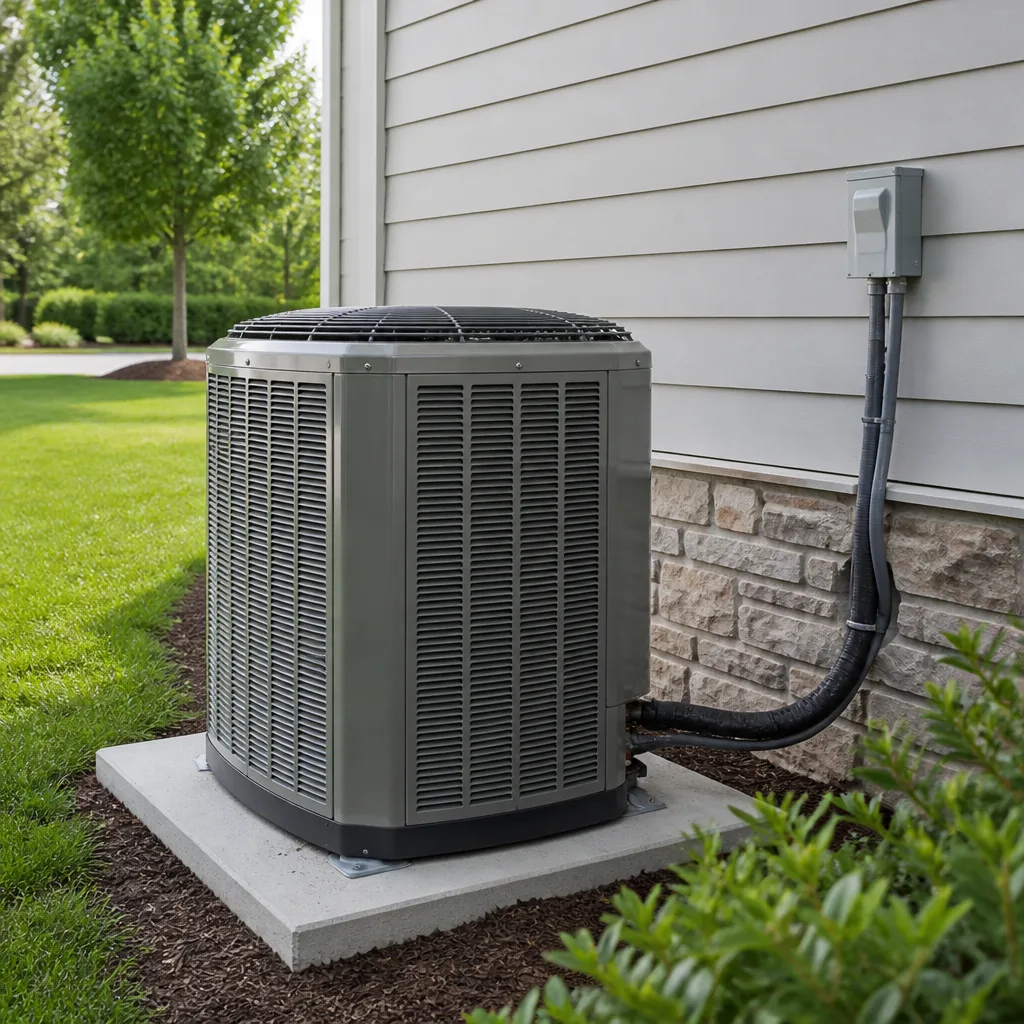 Trane
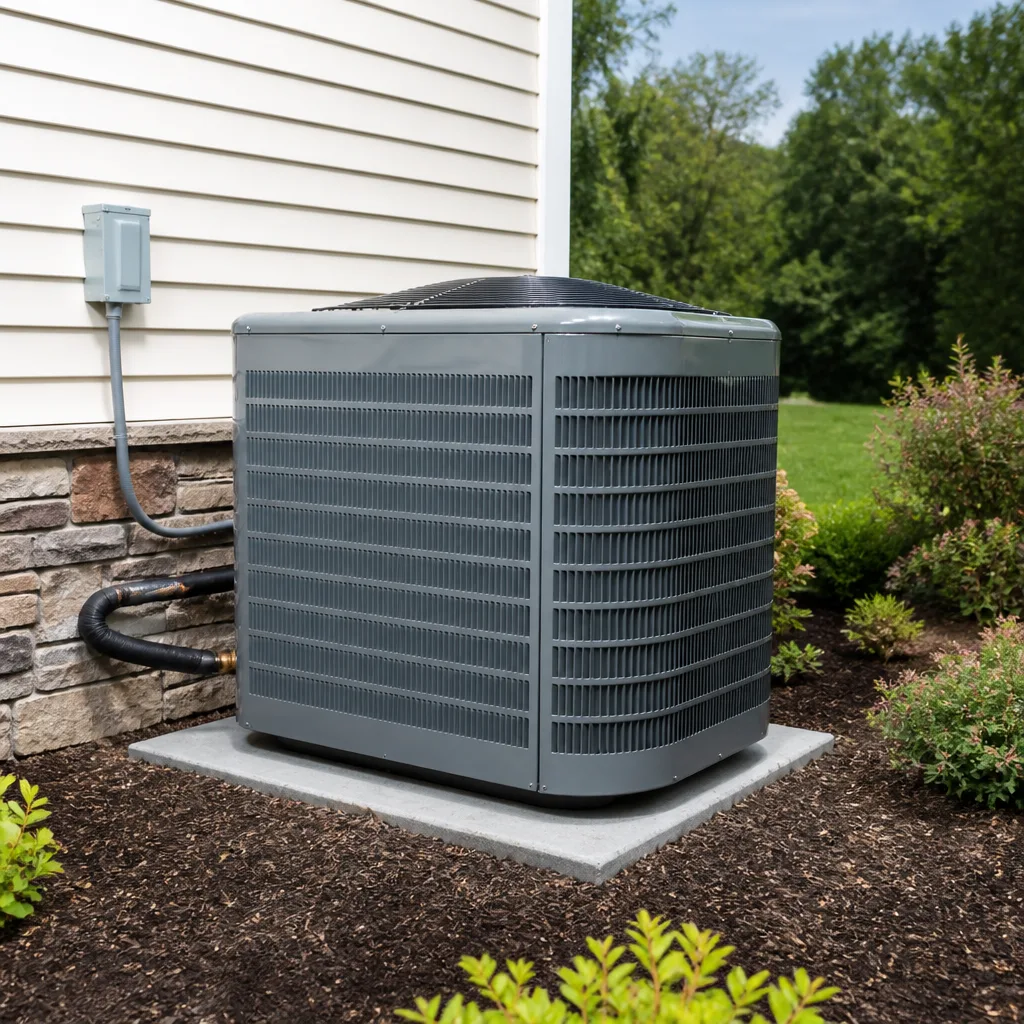 Goodman
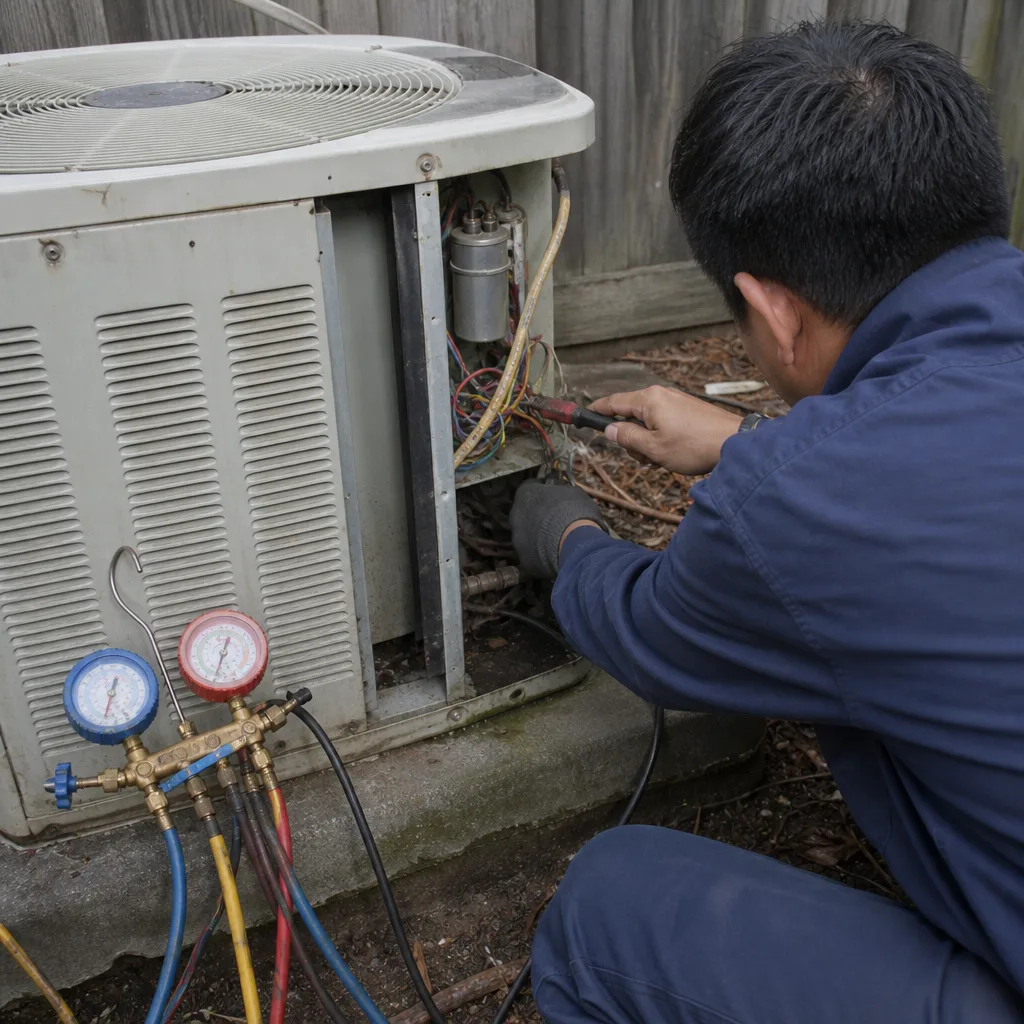
Seasonal tune-up and full diagnostic on your Carrier, Trane, or Goodman system - readings shown to you before any repair is proposed
Diagnosis first, numbers second - you approve the repair price before a single part goes in.
Get your free estimateChoosing the Right HVAC Brand: A Buyer’s Guide for Hayward
Two air conditioners with the same SEER2 rating can lead very different lives in Hayward. One gets a failed capacitor swapped out the same week because the part is on every supply house shelf in the East Bay. The other sits idle for ten days waiting on a part nobody stocks locally. The difference has almost nothing to do with what the spec sheet promised at purchase and everything to do with the service ecosystem behind the badge. This guide explains how brand selection actually works for Hayward homeowners: parts availability in Alameda County, technician familiarity across the East Bay, warranty fine print, and how to match a brand tier to your home’s real use case. You’ll finish knowing how to evaluate a brand by what happens after the install, not before it.
Styles & brands we work with
- AC repair
- Furnace & heating
- Heat pumps
- Ductless mini splits
- Carrier
- Trane
- Goodman
Quick Answer
In Hayward, the right HVAC brand is the one a qualified local contractor can service quickly with parts stocked in the East Bay. Carrier, Trane, Lennox, and Goodman all perform well here, but the deciding factors are local technician familiarity, parts availability in Alameda County, and warranty registration and labor coverage. Match the brand tier to your home’s size and usage, and confirm your contractor works on that brand before you commit.
Table of Contents
- Quick Answer
- Why Parts Availability Beats Spec Sheets in Alameda County
- Which Brands East Bay Technicians Actually Know Best
- Warranty Fine Print: Registration, Exclusions, and Labor vs. Parts
- Matching Brand Tier to Your Hayward Home
- The Cost of Buying a Brand Your Contractor Doesn’t Specialize In
- A Step-by-Step Brand Evaluation Checklist
- Common Mistakes to Avoid
- When to Call a Professional
- Frequently Asked Questions
- The Bottom Line
Why Parts Availability Beats Spec Sheets in Alameda County
A brand with excellent ratings and no local parts pipeline is a brand that leaves you waiting when a blower motor fails in July. In our experience, parts availability in Alameda County is the single most underrated factor in brand selection, and it’s the one most homeowners never think to check.
Here’s how the parts chain works. Every HVAC unit contains components made by the manufacturer and components made by outside suppliers: compressors, capacitors, control boards, contactors, blower motors, igniters, and flame sensors. Some of these are common to many brands. Others are brand-specific. When a part fails, the timeline depends on three things:
- Whether the part is a common size or control board carried by East Bay supply houses. Generic capacitors and contactors often come off the shelf at the counter.
- Whether the brand distributes through wholesalers with a Bay Area presence. Brands with deep wholesale networks get parts to Hayward faster.
- Whether the manufacturer stocks the part or builds it to order. High-volume production brands rarely have long waits for common parts.
This is why a premium-tier unit can occasionally sit longer in the summer than a value-tier one. If the failing part is a proprietary control board for a less common model, the wait is the same regardless of the badge on the cabinet. High-volume value brands like Goodman build so many units that their parts end up widely stocked. Premium brands like Trane and Lennox have strong distribution but occasionally use proprietary controls that need to come through the manufacturer.
Before you buy any brand, ask two questions: How fast can you get common replacement parts for this model? and Which local supply houses carry this brand? If a contractor can’t answer both, that’s the sign to pause. When you call a AC repair number with a failed part, the answer you get reflects the brand’s parts network more than the contractor’s skill.
Climate matters here too. Hayward summers are warm but not punishing, and our winters are mild. That means your system runs through a long cooling season with shorter, less intense stretches of heating demand. Wear falls on the components that run the most: compressors, capacitors, contactors, and blower parts. Those are exactly the parts with the strongest local availability, which is one reason the East Bay is forgiving to most major brands.
Which Brands East Bay Technicians Actually Know Best
Technician familiarity with a brand translates directly into repair cost and wait time. A technician who has seen the same control board layout two hundred times finds the fault in fifteen minutes. Someone diagnosing a brand they rarely touch spends an hour in the manual, and you pay for that hour.
In the East Bay, the brands with the highest technician familiarity are the ones installed most often in residential homes: Carrier, Trane, Lennox, Goodman, Rheem, York, Daikin, Bryant, and American Standard. These nine represent the bulk of residential installs across Hayward and the surrounding cities, and that install base created a repair base. Technicians trained across these brands have seen their failure patterns repeatedly.
We’re factory-familiar with those nine brands. That means when you call about a carrier issue or a Lennox fault code, we’re not reading the manual for the first time. Our technicians have up to 10 years of experience, and the brand mix we support covers both premium-tier systems (Trane, Lennox, Carrier, Bryant, American Standard) and value-tier systems (Goodman, Rheem, York, Daikin). There’s no equipment we haven’t seen.
What does this mean for cost? Three things, roughly in order of impact:
- Faster diagnosis. Familiarity shortens diagnostic time, and diagnostic time is part of the bill.
- Fewer misdiagnoses. A technician unfamiliar with a brand may replace a part that wasn’t the actual fault.
- Shorter waits. A contractor who knows the brand knows which wholesale counter stocks the part.
The flip side is worth stating plainly. If you buy a brand your chosen contractor doesn’t work on, you may find yourself calling a second company, and that company may or may not carry the parts network. This is why brand alignment with your contractor is a real consideration. It’s also why a full-service provider covering both AC repair Hayward and heating service matters: the brand you pick has to be supported on both sides of the season, not just the summer side.
Warranty Fine Print: Registration, Exclusions, and Labor vs. Parts
Every major HVAC brand offers a manufacturer’s warranty, and nearly every one of them is shorter than it looks once you read the terms. The two biggest misreads: assuming the warranty is automatic, and assuming it covers labor.
Here’s what actually matters in the fine print.
Registration changes the term length
Most manufacturers publish two warranty lengths: a base term for the unit as sold, and a longer term if the equipment is registered with the manufacturer by the installing contractor within a set window after installation. Miss the registration and the base term applies. That’s the first hidden cost of an unregistered install: it can cut the parts-coverage timeframe substantially.
Parts coverage vs. labor coverage
Manufacturer warranties typically cover the part itself. They do not cover the labor to diagnose the fault, gain access to the equipment, or install the replacement. The technician’s time is billed separately. Labor warranties are usually offered by the installing contractor, not the manufacturer, and their terms vary widely. Ask what labor coverage your contractor provides on a new install, in writing.
What voids a warranty
- Improper installation. Missing permits, incorrect refrigerant charge, wrong line set sizing, or mismatched coil and condenser are all grounds for denial.
- Installation by an unlicensed contractor. Most manufacturers require licensed installation.
- Unapproved parts. Replacement parts outside the manufacturer’s spec can void coverage.
- Failure to register. As above, registration is the difference between base and extended terms.
- Environmental or neglect-related damage. Blocked coils, untreated corrosion, and filter neglect fall here.
For Hayward homeowners, the installation side is the practical one. A properly permitted, correctly sized install with matching equipment protects the whole warranty. An undersized unit or a mismatched coil doesn’t just cool poorly, it also gives the manufacturer a reason to deny a compressor claim later. Ask for the load calculation and the equipment matching record before signing. When it’s time for a new system, AC installation done with the paperwork handled properly is the difference between a warranty that works and a warranty that doesn’t.
Matching Brand Tier to Your Hayward Home
Brand tier is about matching the unit to the load, not about prestige. An entry-tier unit correctly sized and installed will outperform a premium-tier unit that’s oversized and poorly commissioned every time. The relevant question is which tier delivers the best value for your specific home.
A 1,100 sq ft Hayward bungalow and a 2,400 sq ft newer two-story have different value equations. The bungalow’s cooling load is small, the runs are short, and the equipment is modest. The two-story’s load is roughly double, the second floor needs its own air distribution strategy, and equipment size and staging matter far more. Putting a premium-tier variable-speed system into a small bungalow rarely pays back, because the efficiency it delivers has less opportunity to matter. Putting an entry-tier single-stage unit into a large two-story with a hot upstairs creates comfort complaints the brand can’t fix.
Here’s how to think about the tiers:
- Entry tier (Goodman and similar value lines): best fit for small homes, rental properties, and tight-budget replacements. Simpler controls, fewer proprietary parts, and easy local parts availability. Reliability has closed the gap considerably with premium lines.
- Mid tier (Rheem, York, and similar): a sensible middle ground. Better controls than entry, better parts availability than the top of the market, and a moderate efficiency bump.
- Premium tier (Trane, Lennox, Carrier, Bryant, American Standard): best fit for larger homes, second-floor comfort problems, and homeowners planning to stay long term. Variable-speed compressors, better humidity control, and quieter operation. These benefits matter most where the load is substantial.
Two Hayward-specific points. First, our mild winters mean the heating side of a dual-fuel or heat pump system runs less than the cooling side, so prioritize efficiency on the cooling side. Second, in Hayward homes built mid-century with older ductwork, the duct system often has as much impact on comfort as the equipment. A premium brand mated to leaky, undersized ducts is a premium brand performing at entry-tier comfort. Get the ducts checked before you upgrade the equipment tier.
The Cost of Buying a Brand Your Contractor Doesn’t Specialize In
Buying a brand your contractor doesn’t normally work on can cost more over time than the upfront savings, and it’s worth understanding why before you commit to a quote.
Contractors pick their brand lineups for reasons that go beyond margin. Training, parts stocking, warranty administration, and diagnostic equipment are all brand-specific investments. A contractor whose shop is geared toward Carrier and Goodman units knows those control boards and has those parts on the counter. A contractor asked to service a brand outside that lineup is working from scratch every visit.
That difference shows up in three places:
- The quote may look lower for an off-brand system. A contractor quoting a brand they don’t normally carry may get a warehouse clearance price or a bundled deal that inflates the savings.
- The install quality may be fine. Most competent contractors can install any residential system correctly.
- The service tail matters. The first service call, the mid-life repair, the warranty claim: these are the events where an off-brand unit costs the homeowner, either in longer waits, higher diagnostic time, or a handoff to another company.
This is why we ask two questions before recommending anything. What equipment do you have now? and What’s your realistic budget and upgrade plan? Recommendations follow the answers, not which unit carries the best margin. We work on your brand if you already have it, and if you’re replacing we’ll tell you which tier makes sense for your home size and use.
When you get quotes for replacement, ask each contractor one direct question: What brands do you normally install, and which do you service most often? Then ask: Are there brands you’d rather not install because you don’t service them well? The answer tells you more about the long term than the spec sheet will. If your home is in Hayward and you’re weighing a replacement, this same logic applies to the heating side: Hayward homeowners we work with usually want one company for cooling and heating so there’s no handoff when the furnace fails in December.
A Step-by-Step Brand Evaluation Checklist
Use this checklist before you sign a replacement quote. Each step answers a question that the spec sheet doesn’t.
- Identify the model number and efficiency rating. SEER2 and HSPF ratings are real, but treat them as a starting benchmark, not a destination. Efficiency differences between tiers are smaller than the difference between a correct and an incorrect install.
- Ask which local supply houses carry the brand. A contractor who names specific East Bay wholesale counters knows where the parts come from. A vague answer is a warning sign.
- Ask how fast common parts arrive. Focus on the failure-prone items: capacitors, contactors, control boards, blower motors, and compressors. The answer reveals the brand’s parts network in Alameda County.
- Confirm registration will be filed. Ask whether the contractor files the manufacturer registration on your behalf and when. Get it in writing.
- Ask about labor coverage separately. Parts warranties and labor warranties are different documents from different parties. Request both in writing.
- Request the load calculation. A proper replacement is sized to the home, not copied from the old unit’s label. Manual J load calculations protect both the equipment and your comfort.
- Confirm the contractor works on the brand for repair, not just install. Installation and service are different skill sets and different parts networks. Ask if the same company supports the brand for both.
The last step is the one that matters most over time. A brand is only as good as the service network behind it, and in Hayward that network is made of local contractors, local supply houses, and local parts runners. If those three align, you have a good brand for your home regardless of what the box says.
Common Mistakes to Avoid
- Buying on SEER2 alone. Efficiency ratings are real, but a high-efficiency unit poorly sized or poorly installed will cost more to run than a mid-efficiency unit installed correctly. Always weigh installation quality alongside the rating.
- Assuming the warranty covers labor. Manufacturer warranties cover parts. Labor is typically on the contractor. Homeowners who hear “10-year warranty” and assume full coverage end up paying for labor on every claim. Ask for both documents in writing.
- Letting registration fall through the cracks. Most premium brands offer longer terms only when the unit is registered within a set window. A missing registration can shorten parts coverage significantly. Confirm your contractor files it.
- Matching the brand to a friend’s recommendation instead of your home. A brand that worked well for a neighbor’s two-story may be overkill in your Hayward bungalow. Tier fit matters more than brand loyalty.
- Buying a brand your contractor doesn’t work on to save money. The upfront discount is real, but the service tail can erase it. Local parts availability and technician familiarity are part of brand value, not extras.
- Skipping the duct check on an older Hayward home. Many mid-century Hayward homes have ductwork that leaks or undersells the equipment. A high-efficiency condenser hooked to leaky ducts performs like a mid-tier unit while the warranty stays the same. Get the ducts inspected as part of the quote.
- Assuming a value brand means a short-lived unit. Goodman and Rheem have closed the reliability gap considerably, and their parts are among the easiest to source locally. On a small home or a rental, a value brand properly installed often delivers the best long-term value.
When to Call a Professional
Call for a professional diagnosis when your system trips the breaker repeatedly, blows warm air on a hot afternoon, ices the refrigerant line, or fails to start after a power cut. Call when the thermostat is calling for cool and the outdoor unit is silent, when the unit runs constantly without holding temperature, or when you notice a burning smell near the air handler. On the heating side, call if the furnace ignites and shuts off within a minute, if you hear a rumbling or popping from the cabinet, or if you smell gas near the unit. Any gas odor near an appliance is a professional’s call, not a homeowner’s diagnostic project, and electrical work on HVAC equipment, including capacitors and control boards, carries real shock and burn risk. Call before the fault turns into a compressor failure. On site, our technicians diagnose the specific fault before recommending repair or replacement, and they work across all nine major brands. AC Repair Hayward offers free estimates in Hayward. Call (888) 870-1847. We answer 24/7, with fast dispatch from 7am to 7pm, Sunday through Friday.
Frequently Asked Questions
There isn’t one universal best brand in Hayward. The best brand for your home is the one a qualified local contractor can service quickly with parts available in Alameda County. Carrier, Trane, Lennox, and Goodman all perform well here when properly sized and installed. Match the tier to your home’s size and usage, not to the marketing. Call (888) 870-1847 for a free estimate tailored to your system.
Often not, and that’s worth hearing before you sign. In a 1,100 sq ft home with a modest cooling load, a correctly sized entry or mid-tier unit frequently delivers the same comfort and more reliable value than a variable-speed premium system. Payoffs from premium tiers show up most in larger homes, second-floor comfort problems, and long-term owners. Call us for a straight comparison for your home.
Ask the contractor which East Bay supply houses carry the brand and how fast common parts arrive. Focus the question on the failure-prone items: capacitors, contactors, control boards, and blower motors. A contractor who names specific counters and timelines is answering from experience. Call (888) 870-1847 and we’ll walk you through the brands we work on and what they cost to keep running.
Registration is the difference between the base warranty term and the extended term, and it’s often the difference between full and limited parts coverage. Most manufacturers require the registration to be filed by the installing contractor within a set window after installation. Ask your contractor to file it and confirm in writing. If a brand you own has a warranty question, call (888) 870-1847 and we’ll help you read the terms.
Not in the way most homeowners assume. Reliability has closed considerably across the tiers, and value brands like Goodman and Rheem have strong local parts availability, which lowers repair cost and wait time. The bigger variable is installation quality and sizing, not badge. Call (888) 870-1847 for an honest comparison based on your home, not on brand prestige.
We’re factory-familiar with nine major brands: Carrier, Trane, Lennox, Goodman, Rheem, York, Daikin, Bryant, and American Standard. Outside that lineup, the honest answer is that we may not be the best fit, and we’ll tell you. Being upfront about which brand we know best is more useful to you than pretending every brand is equal on our bench. Call (888) 870-1847 and we’ll point you straight.
The Bottom Line
Brand selection matters less than most HVAC marketing suggests, but parts availability, technician familiarity, and warranty service networks matter a great deal in the East Bay. Choose a brand your contractor can service quickly, confirm the warranty registration and labor coverage in writing, and match the tier to your home’s actual size and usage. For a small Hayward bungalow, a value-tier unit installed correctly can beat a premium brand that’s oversized. For a larger home with second-floor comfort problems, premium tiers pay back. In either case, the brand is only as good as the local service behind it. That’s the whole equation. Weigh the service ecosystem before the spec sheet. On the repair side, our team covers cooling and heating across all nine major brands, so a single call handles both seasons. Call (888) 870-1847 for a free estimate. We answer 24/7. Fast dispatch from 7am to 7pm, Sunday through Friday.
Written by the team at AC Repair Hayward.
See the difference
 Before
 After
 Before
 After
 Before
 After