
Last updated November 15, 2026
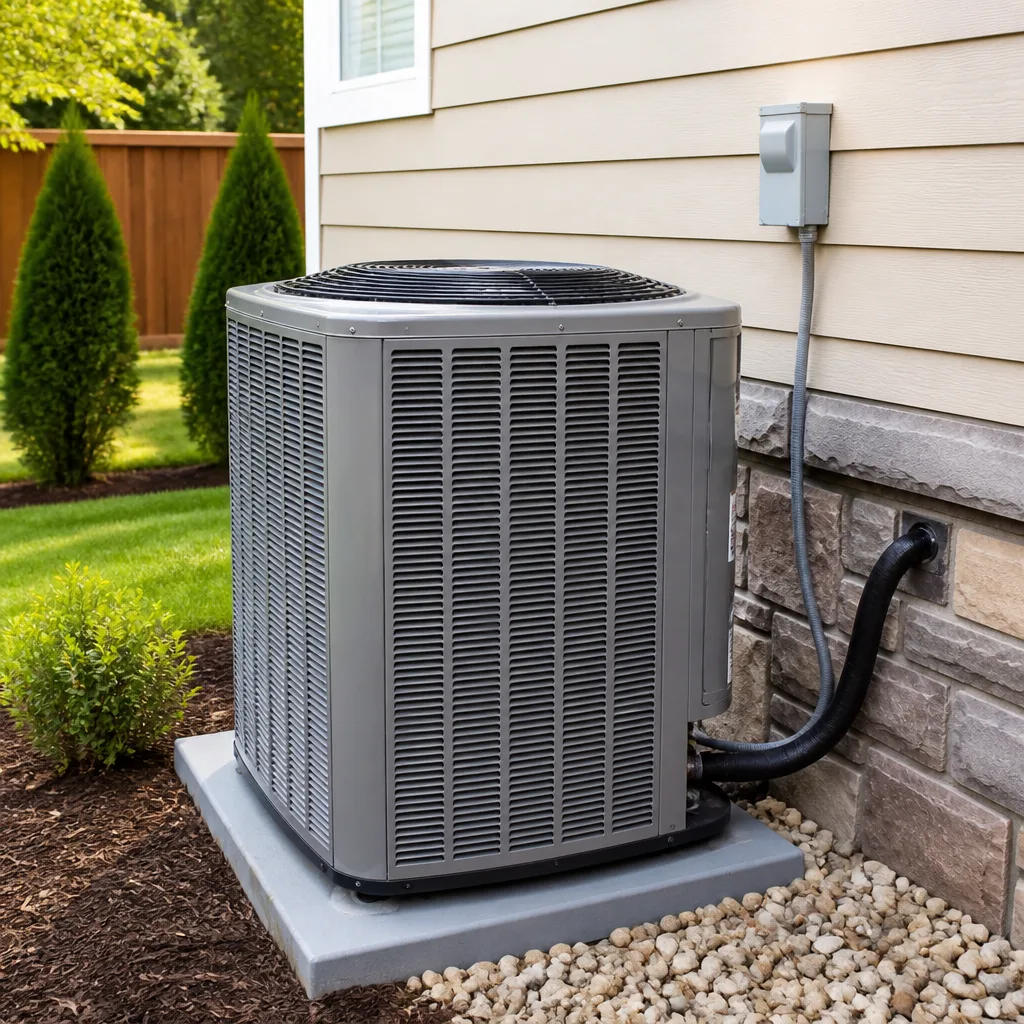 AC repair
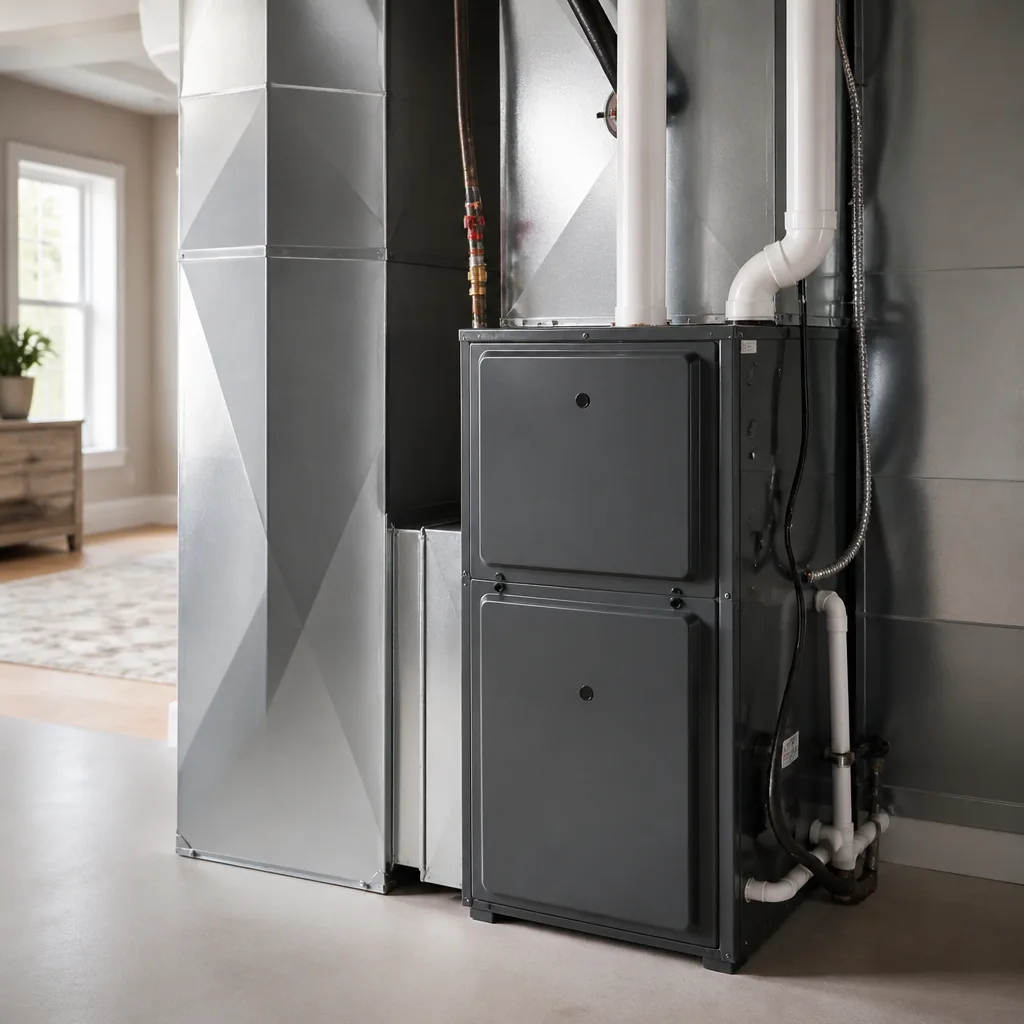 Furnace & heating
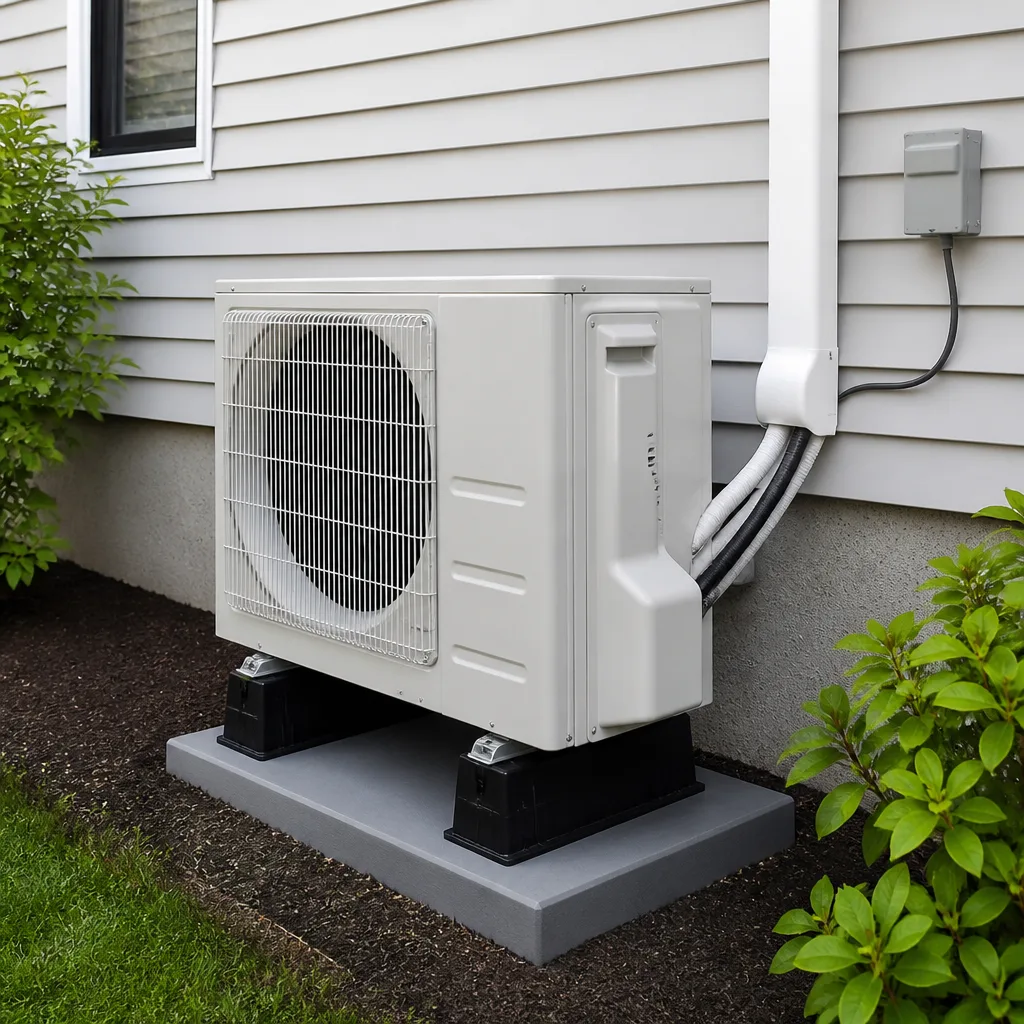 Heat pumps
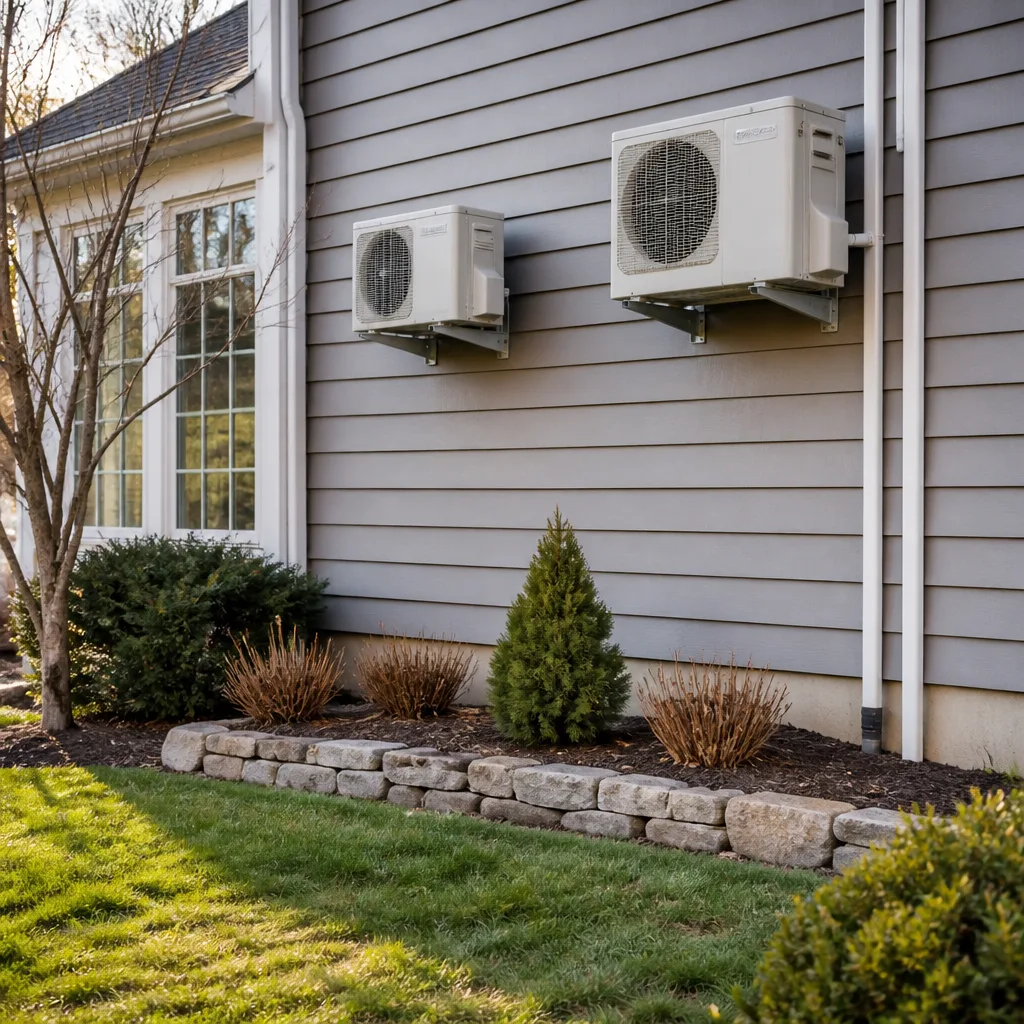 Ductless mini splits
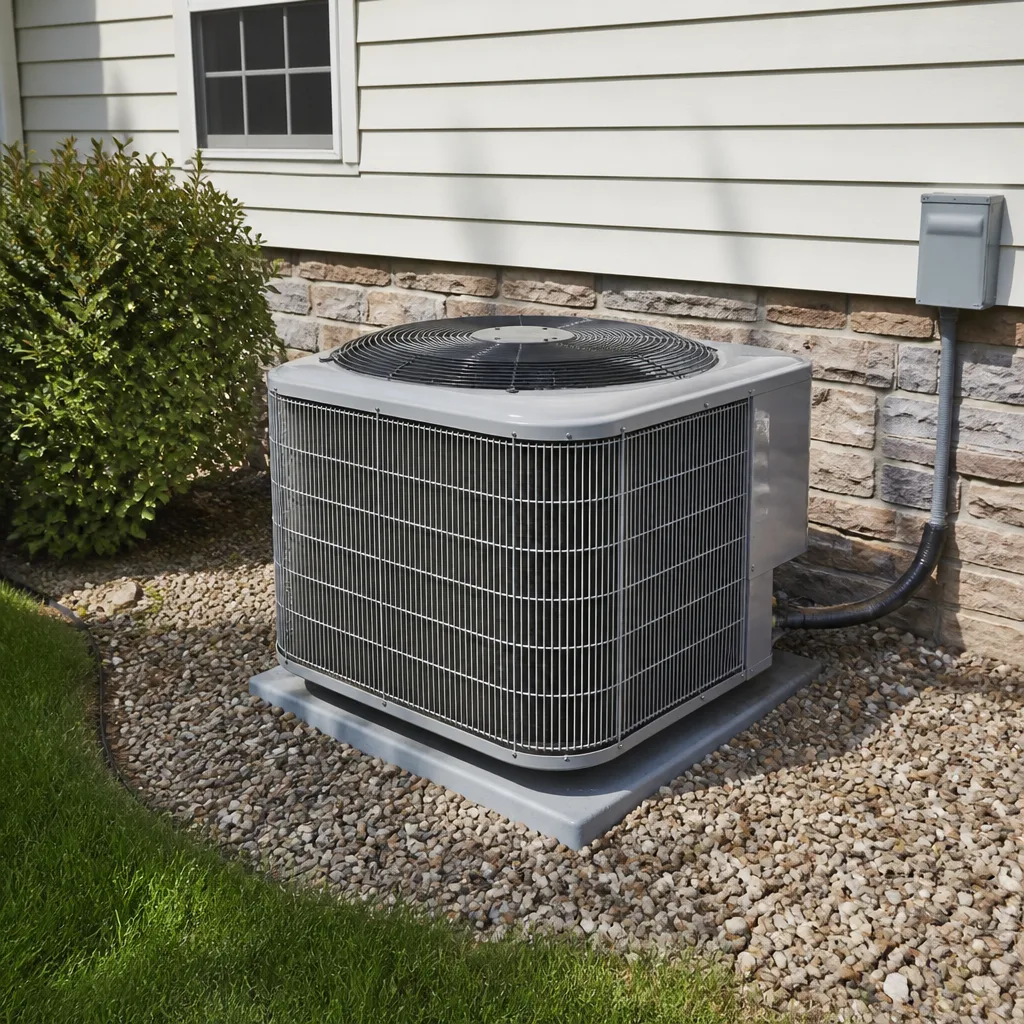 Carrier
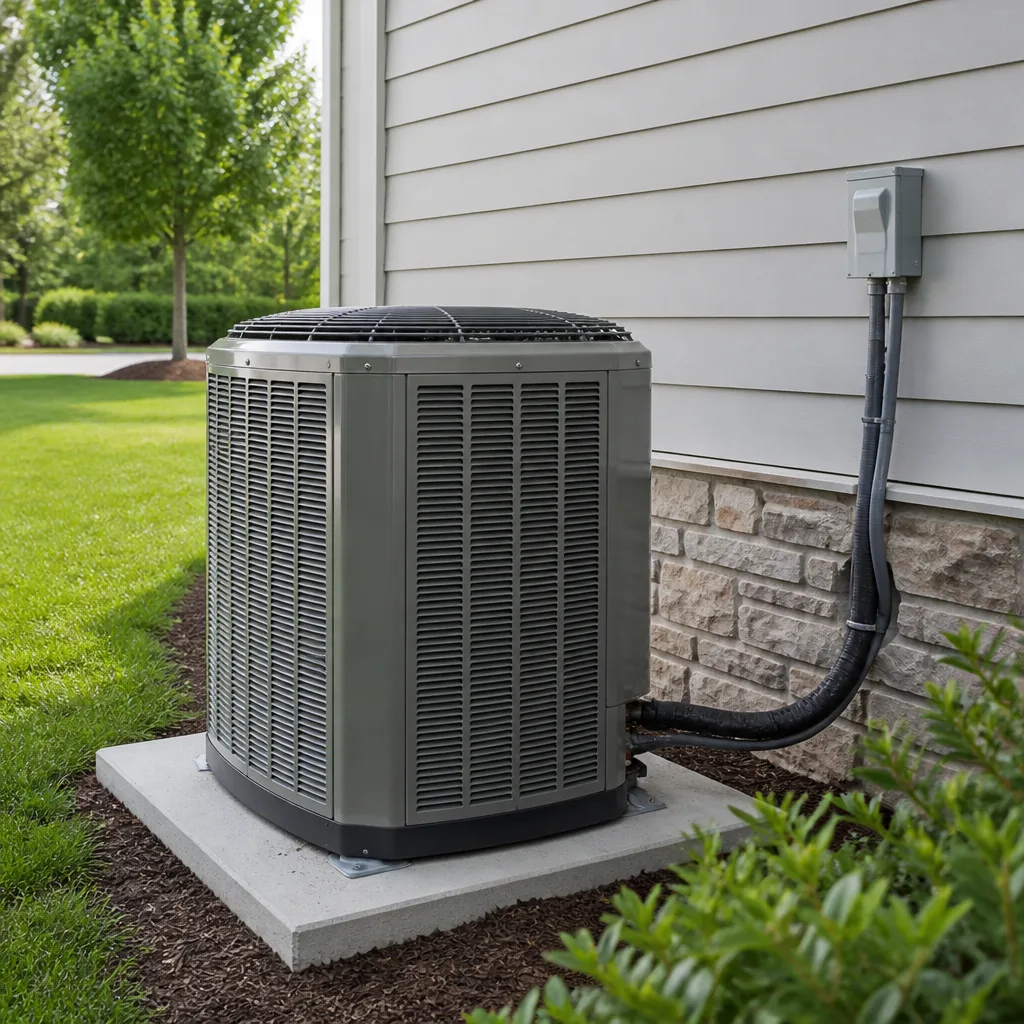 Trane
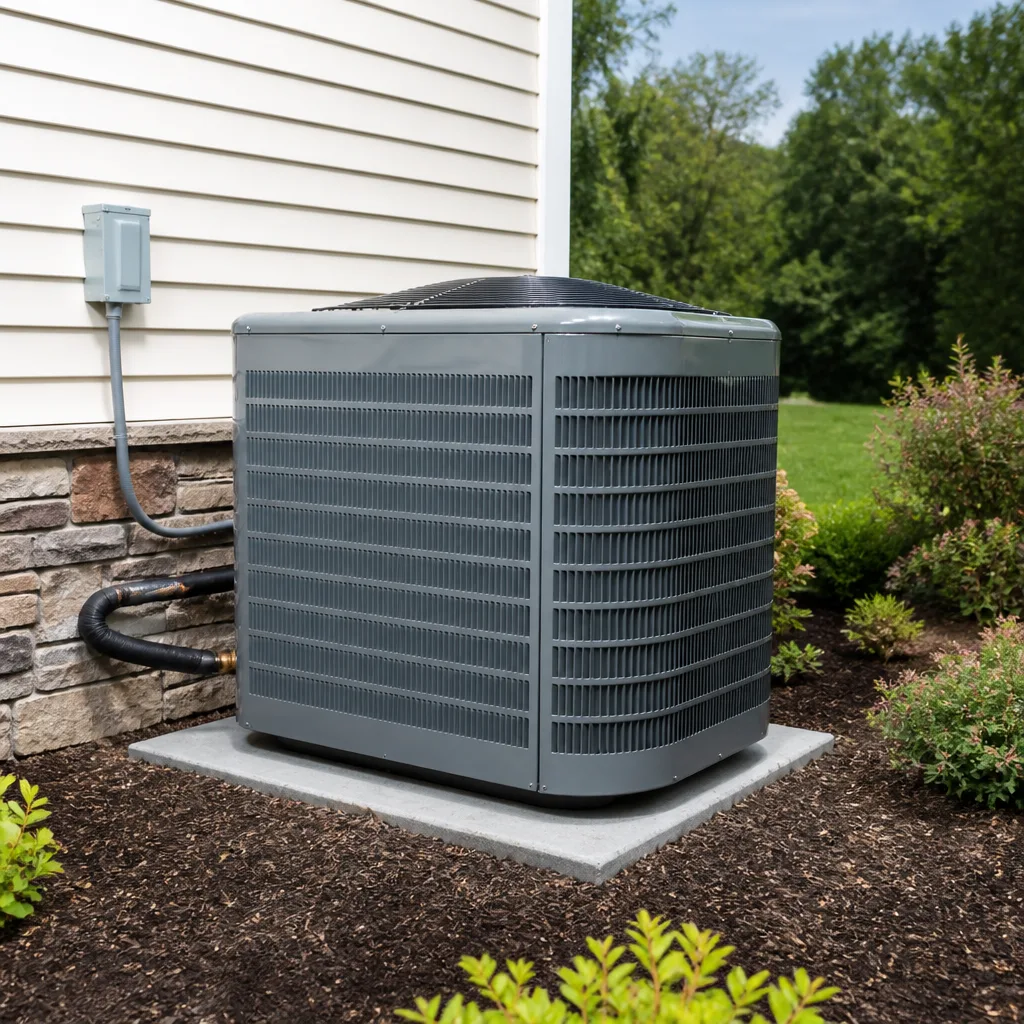 Goodman
Seasonal tune-up and full diagnostic on your Carrier, Trane, or Goodman system - readings shown to you before any repair is proposed
Diagnosis first, numbers second - you approve the repair price before a single part goes in.
Get your free estimateHow to Hire an HVAC Contractor in Hayward: A Step-by-Step Guide
Here’s what we’ve learned from years of residential HVAC work around Hayward: the biggest hiring mistake homeowners make isn’t skipping a license check. It’s failing to ask whether the contractor actually works on their system brand. A licensed contractor who doesn’t know your equipment will still show up, diagnose the problem, and schedule a return visit because the part wasn’t on the shelf or the fault codes weren’t familiar. You pay for time and a second trip you didn’t budget for.
This guide walks you through hiring an HVAC contractor in Hayward the right way – brand coverage first, then license verification, written scope, and quote comparison. By the end, you’ll know exactly what to ask and what to walk away from.
Quick Answer
To hire an HVAC contractor in Hayward, verify their California contractor license through the CSLB, confirm they hold a C-20 HVAC classification, and ask specifically whether they work on your system brand – not just “all brands” but whether they know your model’s common failure points and can source its parts. Then get a written scope of work and a free written estimate before any repair or installation begins. Three quotes, compared line by line, is standard practice for anything beyond a simple repair.
Styles & brands we work with
- AC repair
- Furnace & heating
- Heat pumps
- Ductless mini splits
- Carrier
- Trane
- Goodman
Table of Contents
- Why Brand Coverage Should Be Your First Filter
- How to Verify a Contractor’s License in Hayward
- What a Written Scope of Work Should Include
- Why Load Calculation Matters Before Installation
- Bay Area Red Flags to Watch For
- How to Compare Quotes Across Different Equipment Tiers
- Step-by-Step: The Hiring Process
- Hayward Climate and What It Means for Your System
Why Brand Coverage Should Be Your First Filter
Most hiring guides tell you to check licensing first, then insurance, then references. Those all matter. But here’s the problem: a contractor can be fully licensed and still not know how your system works. Brand coverage is the filter that actually determines whether your problem gets fixed on the first visit or the third.
Hayward homes run the full spectrum of HVAC equipment. Some have older Bryant or American Standard systems installed during renovations. Some have Goodman or Rheem units that value-focused buyers chose. Others have Daikin or York equipment from mid-grade installs. Each brand has its own quirks – common failure points, specific diagnostic steps, parts networks that differ in availability. A contractor who sees your brand once a month will take longer to diagnose than one who sees it weekly.
When you call to schedule, the question isn’t “Do you service all brands?” Almost everyone says yes. The useful question is: “Do you work on [your brand] regularly, and can you tell me what the common failure points are for my system?” A technician who knows the equipment will answer specifically. One who doesn’t will pivot to “we can take a look and let you know.”
That pivot is where the second service call comes from. The diagnosis visit happens, the fault gets noted, and the technician has to order a part because your brand isn’t one they stock. You wait, pay a second trip, and lose time in the middle of Hayward’s hotter weeks.
Our technicians work on nine major brands – Carrier, Trane, Lennox, Goodman, Rheem, York, Daikin, Bryant, and American Standard – which means we ask this question differently: no equipment we haven’t seen. Our job is to diagnose your specific equipment accurately the first visit, whether that’s an older value-tier system or a premium install from a decade ago.
What to ask about brand coverage
- “Which brands do you work on most often?” Listen for two or three named, not “all of them.”
- “Are there brands you won’t work on?” Honest contractors have a list.
- “How quickly can you get parts for [your brand]?” Parts availability is the hidden cost of a mismatched contractor.
- “Do you have diagnostic experience with my specific model’s common faults?” If the answer is vague, keep looking.
How to Verify a Contractor’s License in Hayward
California HVAC contractors must hold a valid license from the Contractors State License Board (CSLB). The classification you’re looking for is C-20 – Warm-Air Heating, Ventilating and Air-Conditioning. That’s the license that authorizes a contractor to install, service, and repair residential HVAC systems in this state.
A C-20 license covers the full scope of what residential HVAC work involves: heating systems, cooling systems, ventilation, ductwork, and the associated electrical and gas connections tied directly to that equipment. It does not authorize plumbing or general electrical contracting beyond what’s tied to the HVAC system – which is why you should see the right classification, not just “licensed.”
Hayward jobs pull permits through the City of Hayward’s building department. A licensed C-20 contractor should be able to tell you whether your job needs a permit and who pulls it. For a full system replacement, the answer is almost always yes – and the contractor should be handling that paperwork as part of the job.
How to check a contractor’s license in California
- Go to the CSLB website’s license lookup (cslb.ca.gov).
- Enter the contractor’s license number or business name.
- Confirm the license is active and not suspended or expired.
- Check the classification – C-20 for HVAC specifically.
- Review the complaint history and any discipline actions listed.
- Verify that the bond and workers’ compensation coverage are current.
This takes about five minutes and prevents the most expensive mistake in this whole process. A contractor who can’t produce a license number on request isn’t one to hire, regardless of price.
What a Written Scope of Work Should Include
Before any HVAC work starts in your Hayward home, you should have a written scope of work in hand. Not a verbal estimate. Not a text message. A document that specifies what will be done, with what parts, at what price.
In our experience, the scope is where most disputes begin. A contractor who says “we’ll fix the AC” and charges you for the visit has left you with no way to verify what was actually agreed to. A written scope prevents that. Ask for it before scheduling, and compare it side by side with the other quotes you receive.
What a proper scope of work includes
- Equipment specifications: Brand, model number, capacity (tons or BTUs), and SEER rating if it’s a new install.
- Scope of work: Exactly what’s being replaced, repaired, or installed. Line by line.
- Parts list: Specific parts to be used, with part numbers where available.
- Permit responsibility: Who pulls the permit and whether the cost is included.
- Timeline: When work starts, when it finishes, and what could delay it.
- Payment terms: Deposit (if any), schedule of payments, and final payment on completion.
- Warranty language: What’s covered, for how long, and whether the manufacturer’s warranty is registered on your behalf.
- Cleanup and disposal: Who hauls away the old equipment and cleans up.
If the scope is missing half these items, ask. A contractor who can’t produce this document before the job starts will be hard to hold accountable after. Written scope, written estimate, written signature – that’s the standard.
Why Load Calculation Matters Before Installation
If you’re considering AC installation, don’t sign anything until you’ve seen a load calculation. This is the most skipped step in the Bay Area contractor market, and it’s the one that determines whether your new system actually works well in your house.
A load calculation – often called a Manual J – measures your home’s actual heating and cooling needs based on square footage, window orientation, insulation, ceiling height, air sealing, and the local climate. Without it, a contractor is guessing. Guessing leads to oversized equipment, which runs in short cycles, doesn’t dehumidify properly, wears out faster, and costs more to operate.
Hayward homes vary widely. A bungalow near downtown has different load characteristics than a two-story house up toward the hills. A house with west-facing windows and limited shade has different cooling requirements than one with mature trees overhead. A contractor who quotes a system without measuring your house isn’t calculating anything – they’re matching square footage to a rule of thumb.
Ask directly: “Will you do a load calculation before quoting equipment?” If the answer is no, the quote isn’t done. If the answer is yes, ask to see it. A real Manual J output is a page or two of numbers – square footage, window area, insulation values, internal gains, and final BTU requirements. You don’t need to understand every figure. You just need to know it exists.
Signs a contractor skipped the load calculation
- The quote arrived within minutes of the visit.
- Equipment size is “the same as what you had.”
- No measurements were taken beyond a quick walkthrough.
- No questions about insulation, window types, or shading.
- Equipment is described only by “ton” and “SEER,” not by model or capacity for your specific home.
Bay Area Red Flags to Watch For
The Bay Area contractor market has specific patterns to watch for that you might not see in other regions. Hayward sits between several competitive service areas, and some operators rely on aggressive sales tactics that prey on homeowners during hot weeks.
Permit skipping. Some contractors offer to skip the permit to save money or time. This is a problem for you, not them. Unpermitted HVAC work can cause problems when you sell, and it means the installation isn’t inspected. For a system replacement, the permit is standard – if a contractor suggests skipping it, walk away.
No load calculation before an install quote. Covered above, but it’s worth repeating. A quote without a load calculation is a guess dressed up as a price. Expect a real contractor to spend time measuring before quoting.
Same-day pressure to sign. “This price is good today only” or “we have a crew available this week, but not after” is a sales tactic, not a scheduling reality. HVAC installation requires ordering equipment for your specific home. A quote that expires today is a sign the price was made up to begin with.
Vague warranty terms. If the warranty can’t be explained in writing, it doesn’t exist. Ask for the manufacturer warranty terms and the labor warranty terms separately.
No C-20 license or wrong classification. A general contractor without a C-20 shouldn’t be doing your HVAC install. Ask for the license number and check the classification on the CSLB site.
Quotes without a brand or model number. “A 3-ton unit” isn’t a quote. You need to know what brand and model you’re paying for, because it determines the parts network, warranty coverage, and serviceability down the road.
No clear answer on parts availability. In Hayward, parts delays are one of the most common reasons a repair turns into a week of no AC. A contractor who can tell you honestly whether the part is on the shelf or on order is one worth hiring.
How to Compare Quotes Across Different Equipment Tiers
The hardest part of hiring HVAC contractors in Hayward is comparing quotes when each one recommends a different system. One quote says Carrier, another says Trane, a third says Bryant. The prices are hundreds of dollars apart. The language is different. How do you decide?
You don’t need to know SEER ratings by heart. You need a framework.
The four-question comparison framework
- What’s the equipment tier? Premium-tier brands like Trane, Carrier, Lennox, and Bryant cost more up front. Value-tier brands like Goodman, Rheem, York, and Daikin cost less. Neither tier is “better” – they’re calibrated differently for efficiency, noise, warranty length, and parts availability. Ask each contractor which tier they’re proposing and why.
- What’s the energy cost difference? Higher-efficiency units cost more but save more on monthly bills. Ask each contractor for the estimated annual operating cost at Hayward’s climate conditions. Not a national average – your local climate.
- What’s the warranty coverage? Compare the manufacturer warranty and labor warranty line by line. A longer warranty is often worth the premium. A shorter one may signal a value-tier unit at a premium price.
- What’s the install scope? Same equipment at two quotes is only comparable if the install scope matches. Ductwork replacement, permit fees, refrigerant line replacement, and thermostat inclusion can swing the price by hundreds.
A brand-agnostic approach is what you’re looking for in a contractor. They should recommend the equipment that fits your existing system, your home’s load, and your budget – not the brand with the highest margin. If you have a Goodman now and a contractor is pushing a Trane, ask why. If the answer is “Trane is better,” that’s not an answer. “Trane matches your load and gives you the warranty you’ll use” is.
We work on both premium and value-tier brands because we’ve seen what happens when the recommendation doesn’t fit the system. A Goodman unit correctly sized and properly installed outperforms an oversized Trane every time. The fix that fits your system is the one worth paying for – not the one with the best marketing.
Step-by-Step: The Hiring Process
Here’s the sequence we recommend, start to finish, whether you’re scheduling a simple repair or a full system replacement. Follow it in order and you’ll avoid most of the mistakes that cost Hayward homeowners money.
Step 1: Diagnose whether you actually need a contractor
Before calling anyone, check the obvious. Thermostat settings, air filter condition, circuit breaker, and outdoor unit power. If the air filter is clogged or the breaker tripped, you don’t have an HVAC problem yet. If everything checks out and the system still isn’t working, move to step two.
Step 2: Identify your system brand and model
Write down the brand name and the model number from the unit’s nameplate. You’ll need this to ask about brand coverage. If you can’t find the nameplate, a photo of the outdoor unit will usually get you the information.
Step 3: Call two or three contractors and ask about brand coverage
Tell each one the brand and ask whether they work on it regularly. Listen for specificity in the answer. The contractor who names the model’s common failure points is likely the one who’s worked on it.
Step 4: Schedule a diagnostic visit for repairs, or a quote visit for installs
For a repair, the visit is diagnostic. For an install, the visit should include a load calculation. If neither happens, move to the next contractor.
Step 5: Get a written scope and written estimate
Both documents, in writing, before you sign anything. Compare line by line with the other quotes you’ve received.
Step 6: Verify the license and permit plan
Confirm the C-20 license on the CSLB site. Confirm the permit responsibility. Confirm that warranty registration is handled by the contractor.
Step 7: Schedule the work and pay on completion
Pay by check or credit card, never cash only. Hold final payment until the work is complete, the equipment is running, and the system has been verified.
Hayward Climate and What It Means for Your System
Hayward sits in a temperature range that puts both cooling and heating demands on residential HVAC systems. Hot inland afternoons during the summer push the cooling side hard. Mild winters mean the furnace gets fewer total hours of use, but a failure during a cold snap still leaves a house uncomfortable. That combination is why single-provider coverage across both cooling and heating matters here.
Hayward homeowners we work with split their year roughly between air conditioning load in summer and furnace performance in winter. The failure points differ by season. AC problems usually show up as reduced cooling, water leaks, or short cycling during hot weeks. Furnace problems show up as ignition failures, blower issues, or heating that doesn’t come up to temperature. Both are heating and cooling categories a full-service contractor should be able to handle without referring you to a second company.
For an AC that isn’t cooling properly, start with AC repair rather than a replacement conversation. In our experience, most Hayward AC problems that show up during the first hot week of the season are repairable – capacitors, contactors, refrigerant charge, or a clogged condensate drain. A contractor who jumps to replacement on the first visit is one to question.
If you’re on the fence between repair and replacement, AC Repair Hayward is where we help homeowners sort through it honestly. A system at 10-12 years old with a single failure usually justifies a repair. A system over 15 years with a failed compressor, refrigerant leak, or repeated failures across multiple summers is where replacement starts to make financial sense. The right answer depends on your equipment – not on which option pays the contractor more.
For heating, our furnace repair coverage matters most in the first cold snap of December, when a system that hasn’t run since February reveals its own problems. Carrier, Trane, and Bryant furnaces have one set of diagnostic sequences. Goodman, Rheem, and York have another. Knowing the brand is what shortens the diagnosis.
Common Mistakes to Avoid
- Hiring on price alone. The lowest quote is often the smallest scope – missing permits, cheaper equipment, or no load calculation. Compare the scope line by line before comparing the price.
- Skipping the brand coverage question. “We work on all brands” is a marketing answer. Ask which brands they work on regularly and how they source parts for yours. The second service call usually comes from this gap.
- Letting a contractor skip the load calculation. Especially for AC installation. A system sized by rule of thumb will run, but not well. The extra week it takes to calculate the load is cheaper than living with the wrong system for a decade.
- Signing a same-day pressure quote. “This price is only good today” is a sales trap. A real quote holds for at least a week while you compare it against others.
- Not verifying the license. Five minutes on the CSLB site prevents most of the expensive mistakes. Confirm C-20 classification, active status, and current bond.
- Accepting a quote without a model number. “A 3-ton unit” isn’t specific enough. Get the brand and model in writing so you know what you’re paying for and can look up parts availability later.
- Skipping the permit. Hayward requires a permit for HVAC system replacements. Skipping it to save time creates problems when the house is sold or when the work needs inspection.
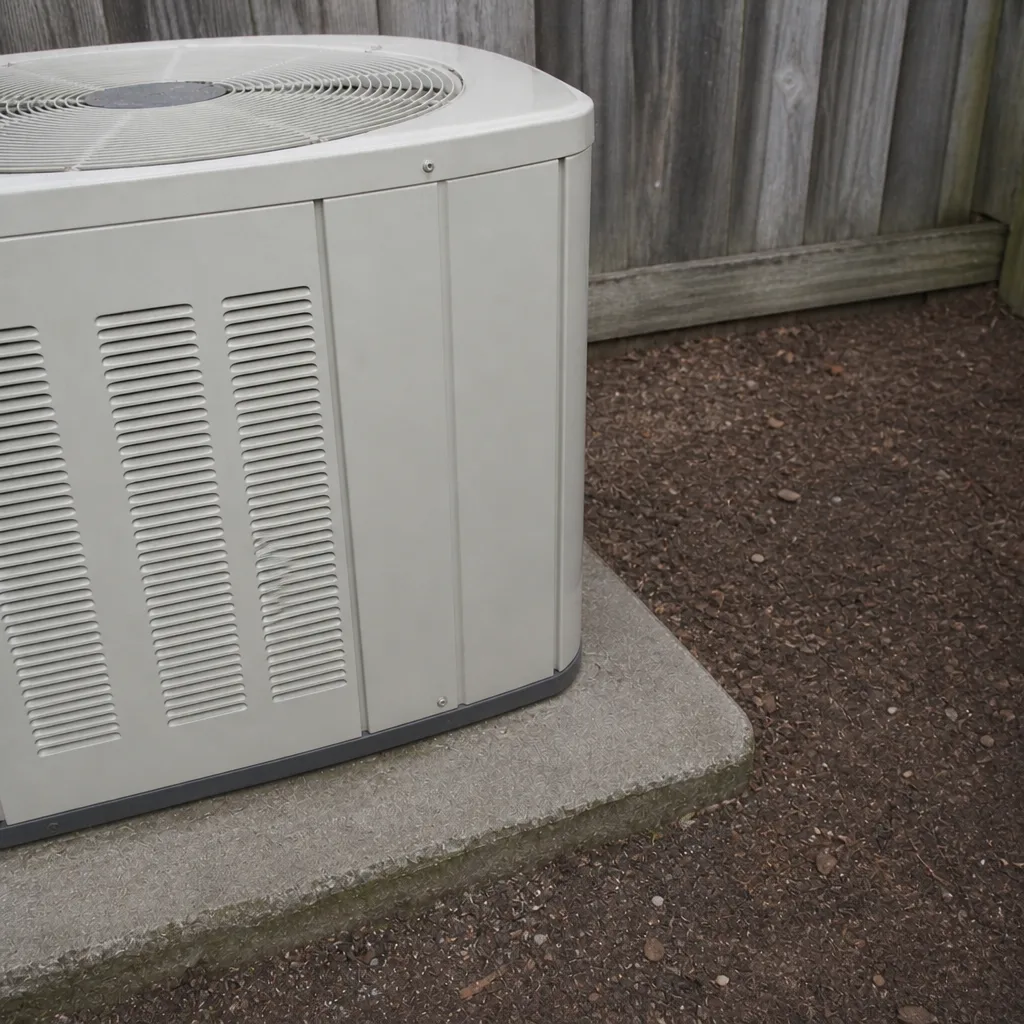
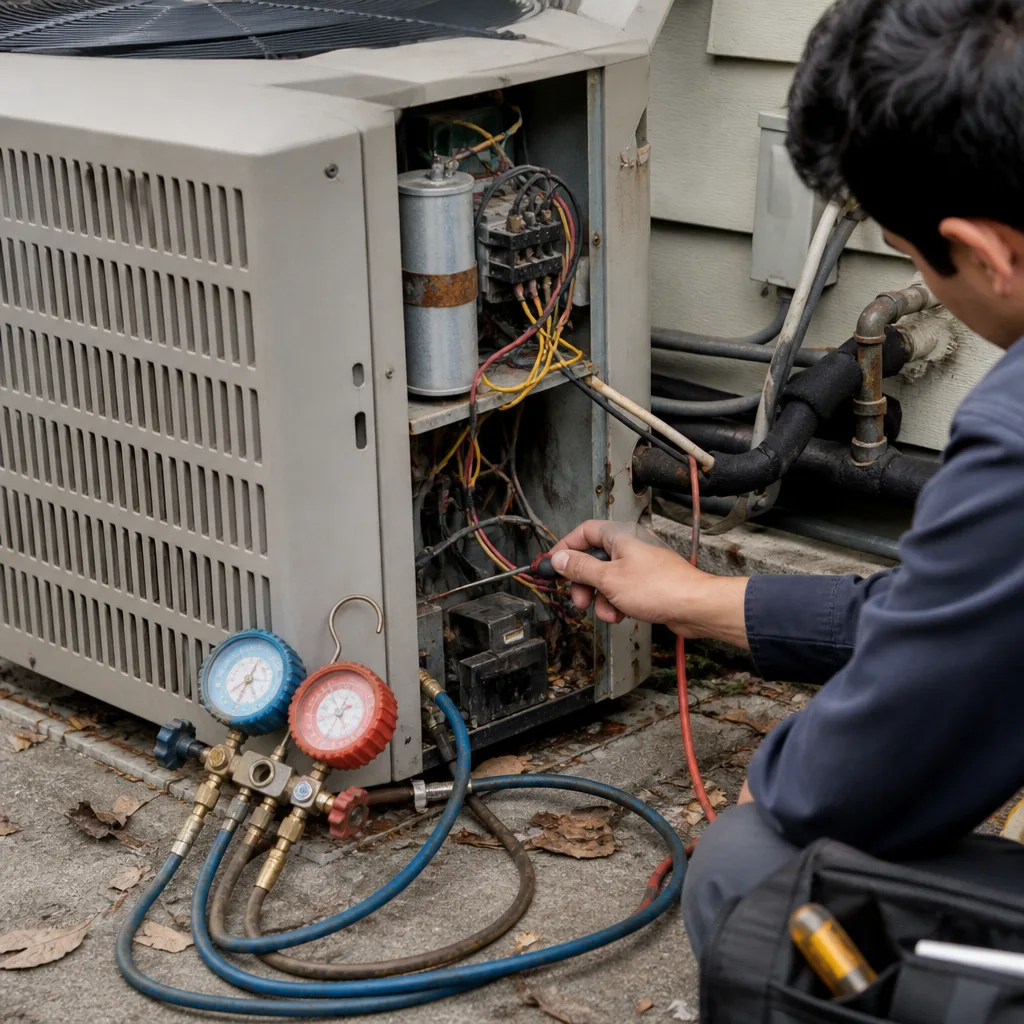
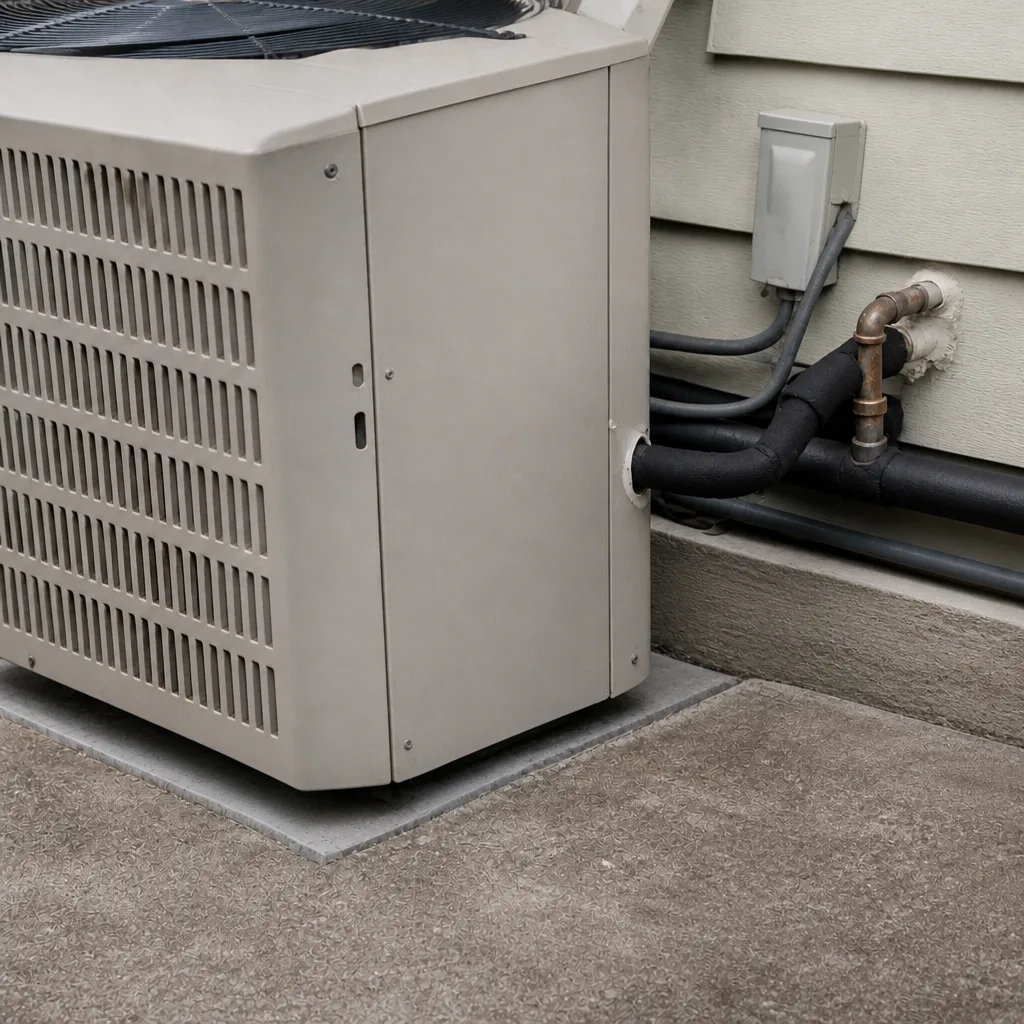
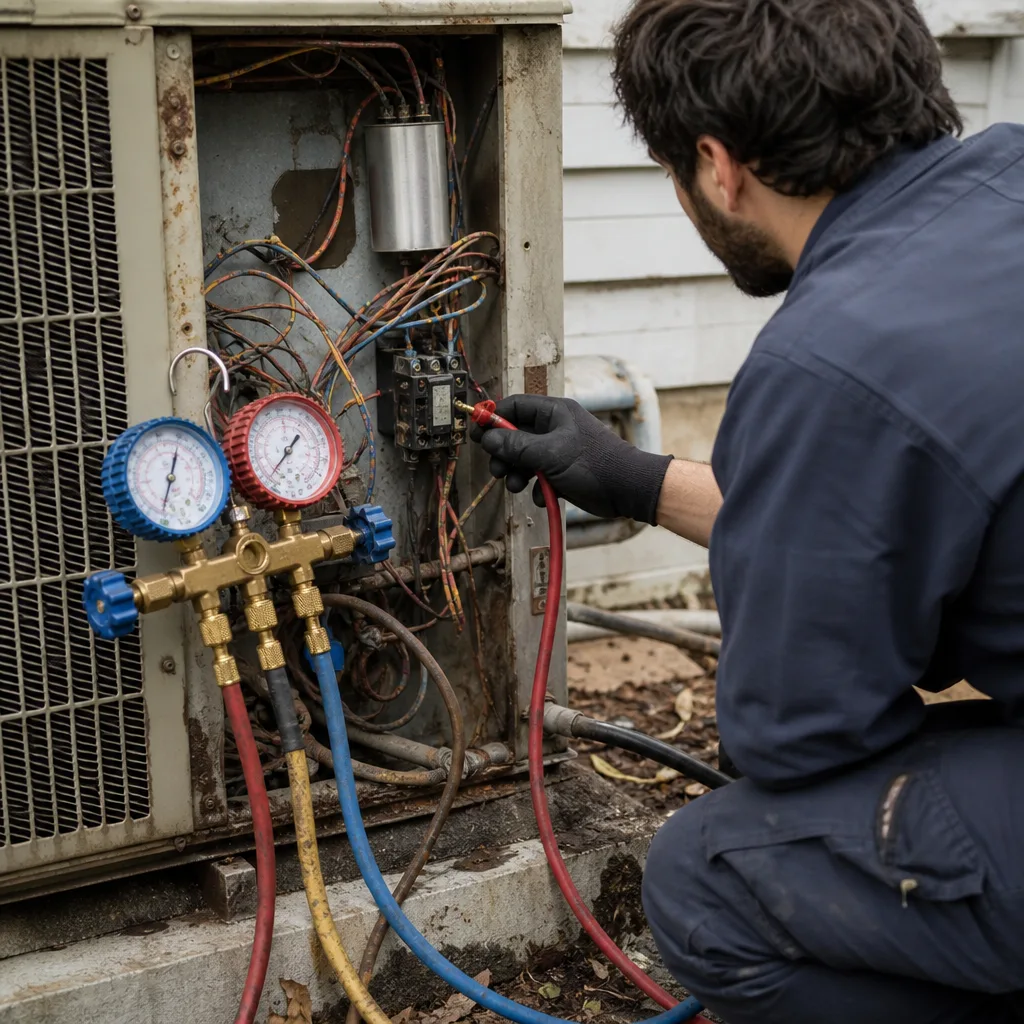
See the difference
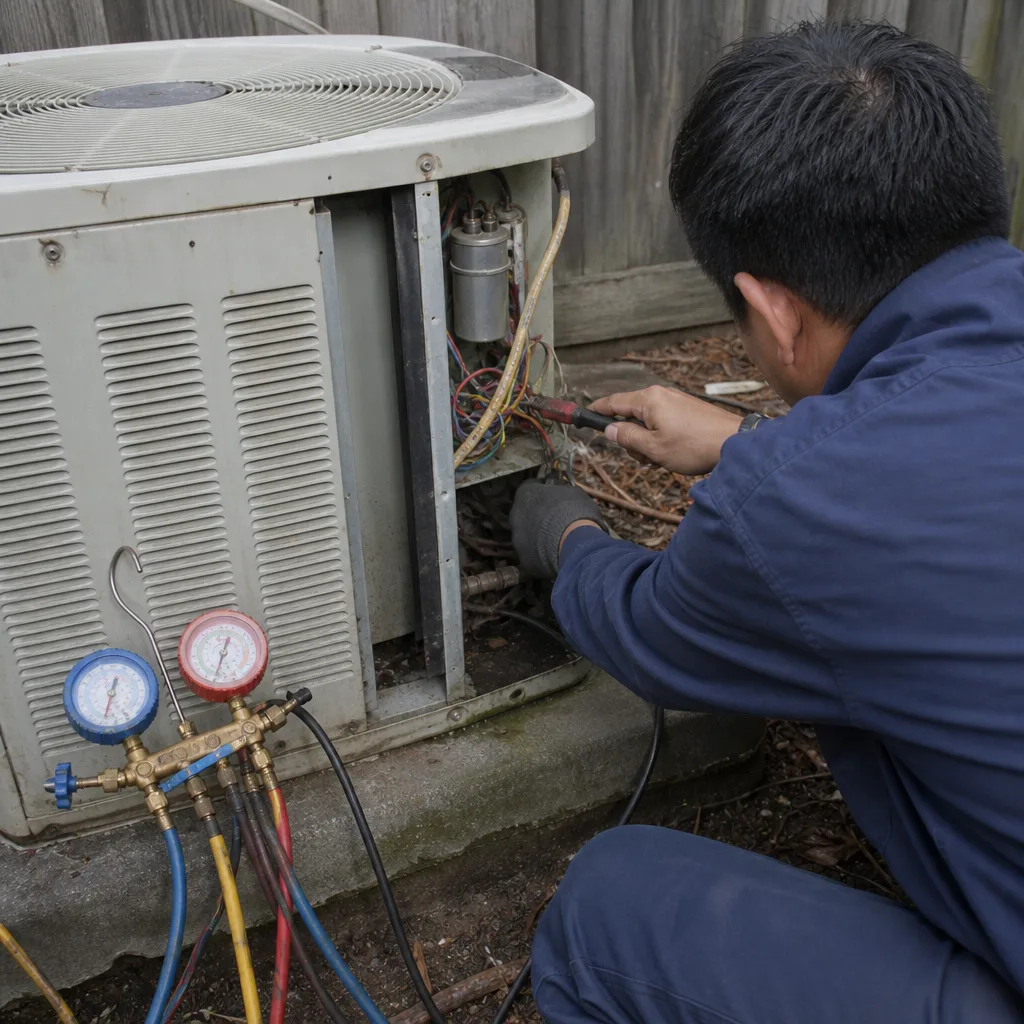 Before
 After
 Before
 After
 Before
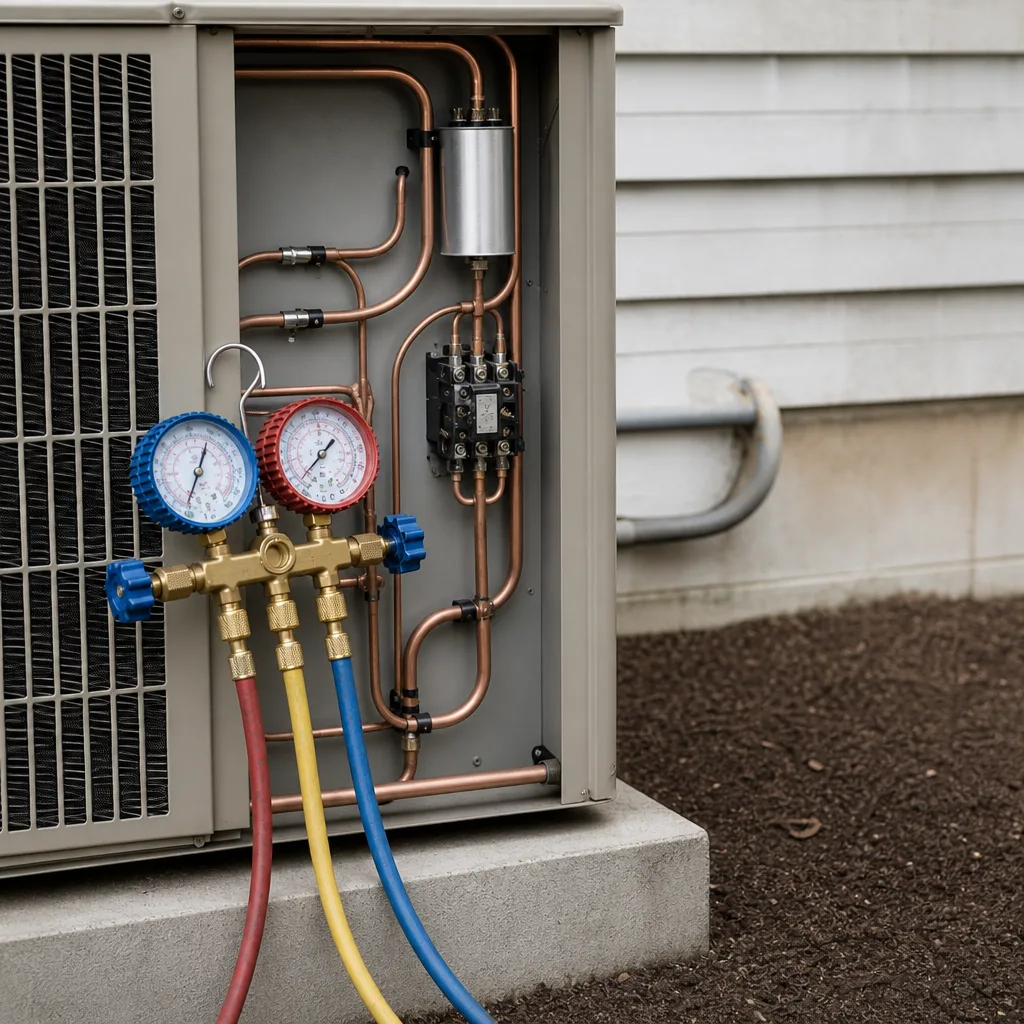 After
When to Call a Professional
Some HVAC problems are simple – a tripped breaker, a clogged filter, a thermostat in the wrong mode. Those you can handle yourself. Others need a trained professional, and guessing at them is where things go wrong.
Call a professional when the system runs but doesn’t cool or heat, when there’s water around the indoor unit, when the outdoor unit makes unusual noises, when the system short cycles repeatedly, or when the breaker for the HVAC equipment keeps tripping. Call immediately when you smell gas or burning, when the furnace shows a fault code you don’t recognize, or when refrigerant lines show frost. Electrical and gas work on HVAC equipment is dangerous and belongs with someone trained for it.
For any of these, AC Repair Hayward offers free estimates in Hayward – call (888) 870-1847. We answer 24/7. Fast dispatch from 7am to 7pm, Sunday through Friday. Our technicians have up to 10 years of experience, and they work on nine major brands, so the diagnosis is likely to fit your system rather than a generic script.
Frequently Asked Questions
Check the Contractors State License Board website at cslb.ca.gov using the contractor’s license number or business name. Confirm the license is active, holds a C-20 (Warm-Air Heating, Ventilating and Air-Conditioning) classification, and shows current bond and workers’ compensation coverage. Review the complaint and discipline history on the same page. This takes about five minutes. Call (888) 870-1847 if you want us to walk through the license details before you hire.
A C-20 classification, issued by the California Contractors State License Board. That’s the license that authorizes a contractor to install, service, and repair residential heating and air-conditioning systems in this state. A general contractor’s B license doesn’t authorize HVAC work on its own, and neither does a handyman license. Ask for the C-20 classification directly.
Yes, in most cases. A full system replacement in Hayward typically requires a permit through the City of Hayward’s building department. A licensed contractor should handle the permit application as part of the job and should tell you upfront who pulls it and what it costs. If a contractor suggests skipping the permit to save time or money, walk away.
“We service all brands” means the contractor is willing to try. “We stock parts for your brand” means the contractor has worked on your equipment enough to keep the common failure parts on hand. The second is what saves you a return visit. Ask specifically about your brand and model, and listen for whether the contractor names the parts they’d typically need.
Three is standard for anything beyond a simple repair. For a system replacement, three quotes compared line by line gives you a real range and reveals which contractors are recommending the right equipment tier. Get the written scope and model numbers in writing before you compare – the price alone doesn’t tell you what you’re buying.
Generally, a system under 10 years old with a single failure is worth repairing. A system over 15 years old with a failed compressor, refrigerant leak, or repeated failures across multiple summers usually justifies replacement. The honest answer depends on brand, current efficiency, and what the diagnosis shows. We don’t push replacement on a repairable system, and we don’t repair what’s past its useful life. Call (888) 870-1847 for a free estimate and a straight answer.
The Bottom Line
Hiring an HVAC contractor in Hayward comes down to four things. Verify the C-20 license on the CSLB site. Confirm the contractor actually works on your system brand, not just “all brands.” Demand a written scope of work and a load calculation before installation quotes. And compare three quotes line by line, not by price alone. Do these four things and you’ll avoid the second service call, the skipped permit, and the oversized system that never quite cools the house. The rest is scheduling.
If you’d like a free written estimate on AC repair, AC installation, or furnace repair in Hayward, call AC Repair Hayward at (888) 870-1847. We answer 24/7. Fast dispatch from 7am to 7pm, Sunday through Friday. Our technicians have up to 10 years of experience and work on Carrier, Trane, Lennox, Goodman, Rheem, York, Daikin, Bryant, and American Standard equipment – the fix that fits your system, priced before we start.
Written by the team at AC Repair Hayward.