
Last updated November 15, 2026
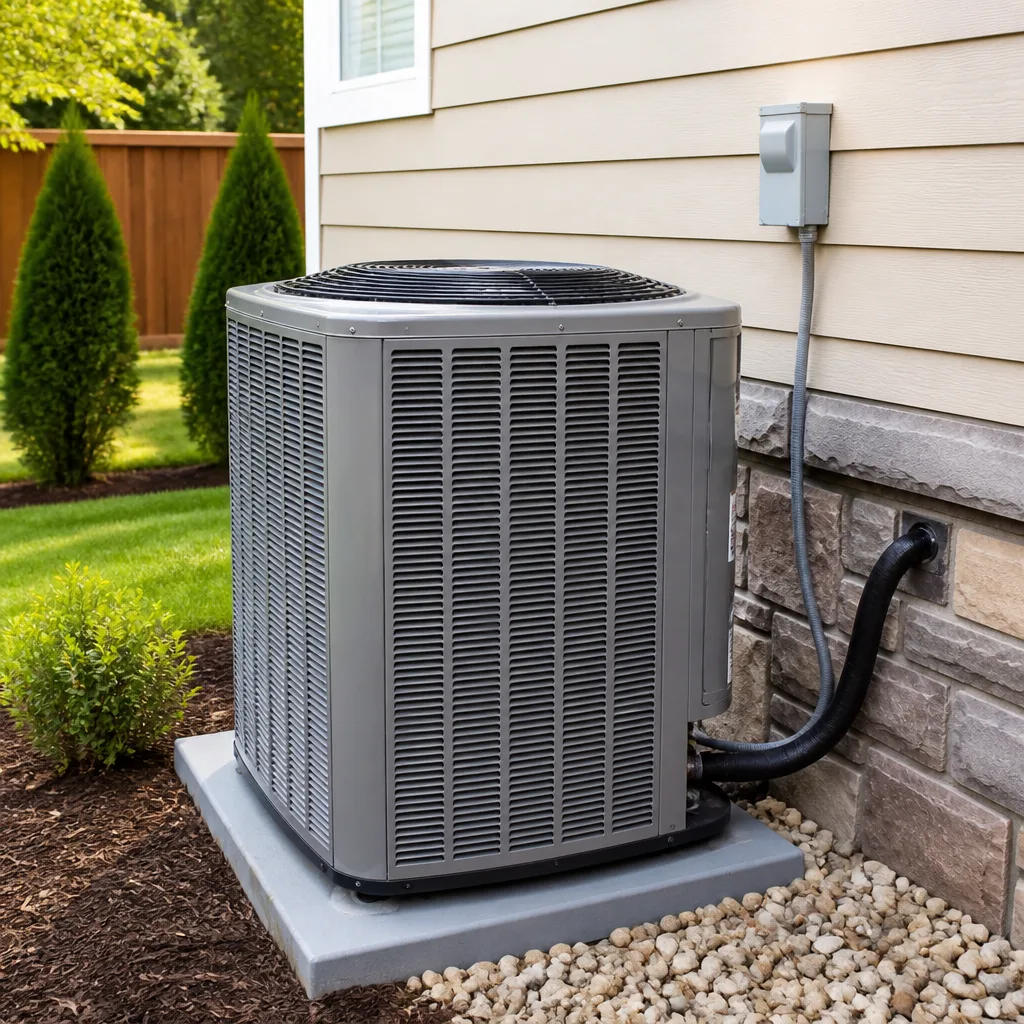 AC repair
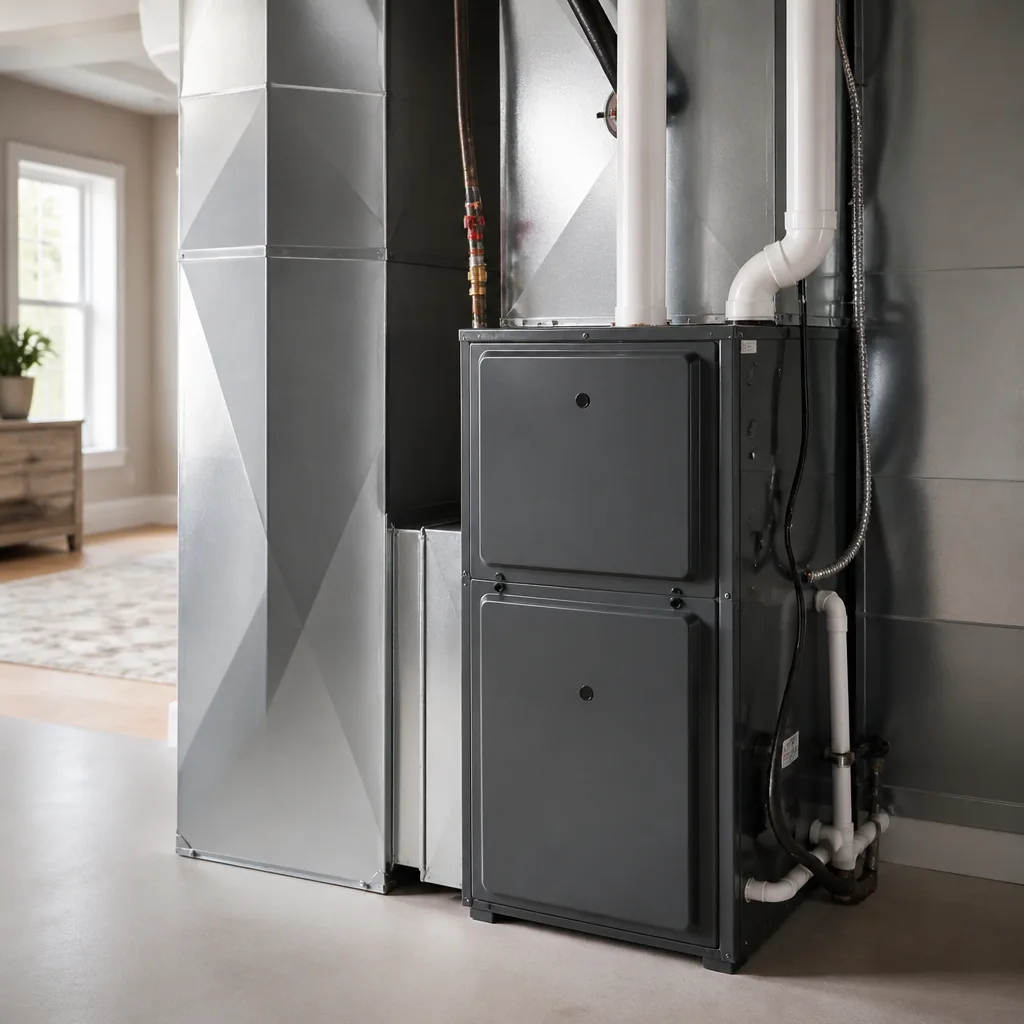 Furnace & heating
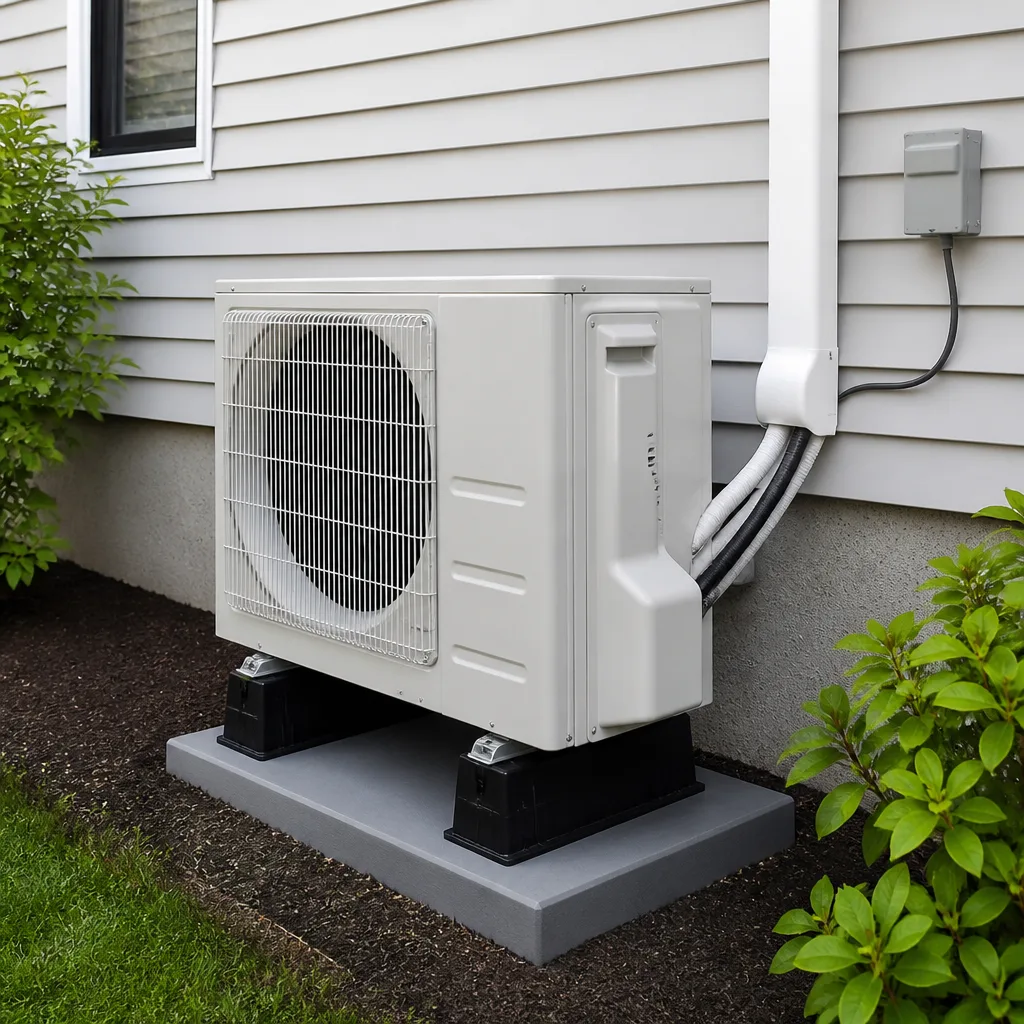 Heat pumps
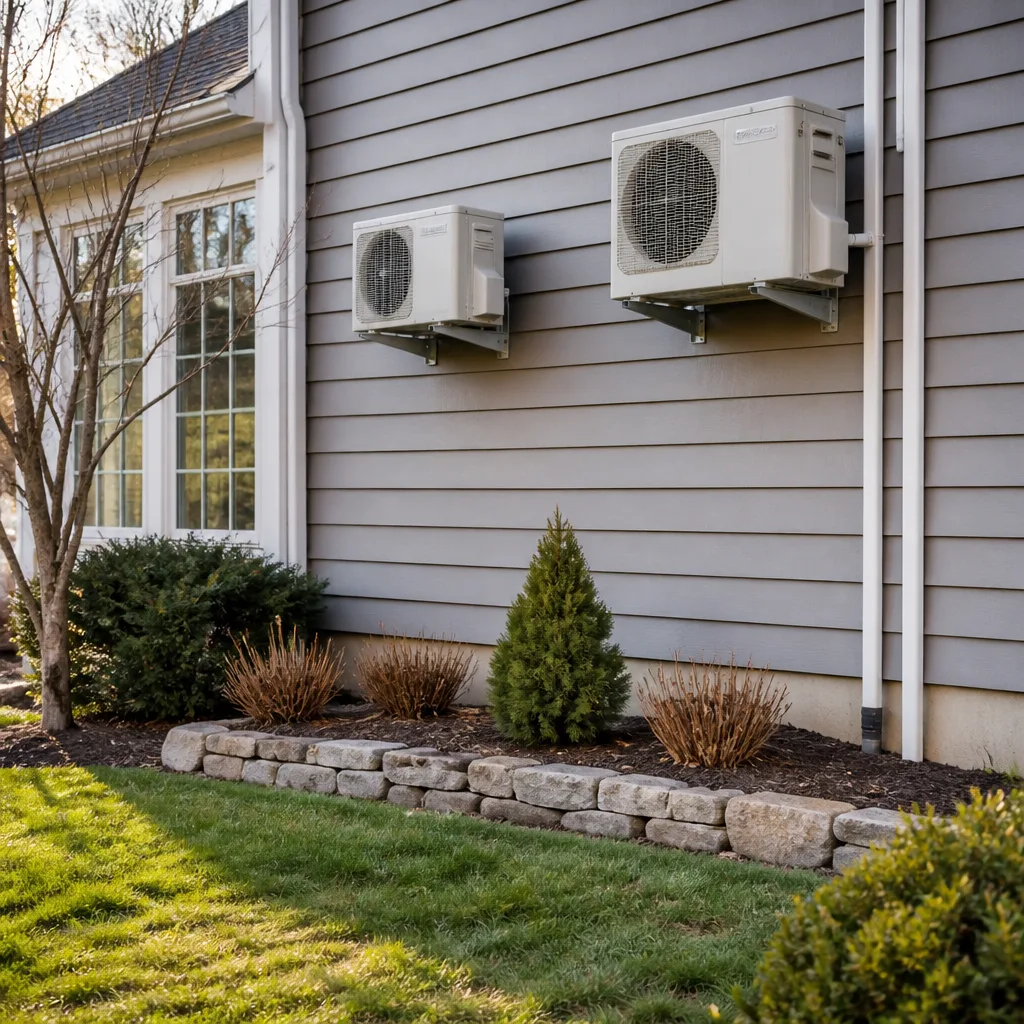 Ductless mini splits
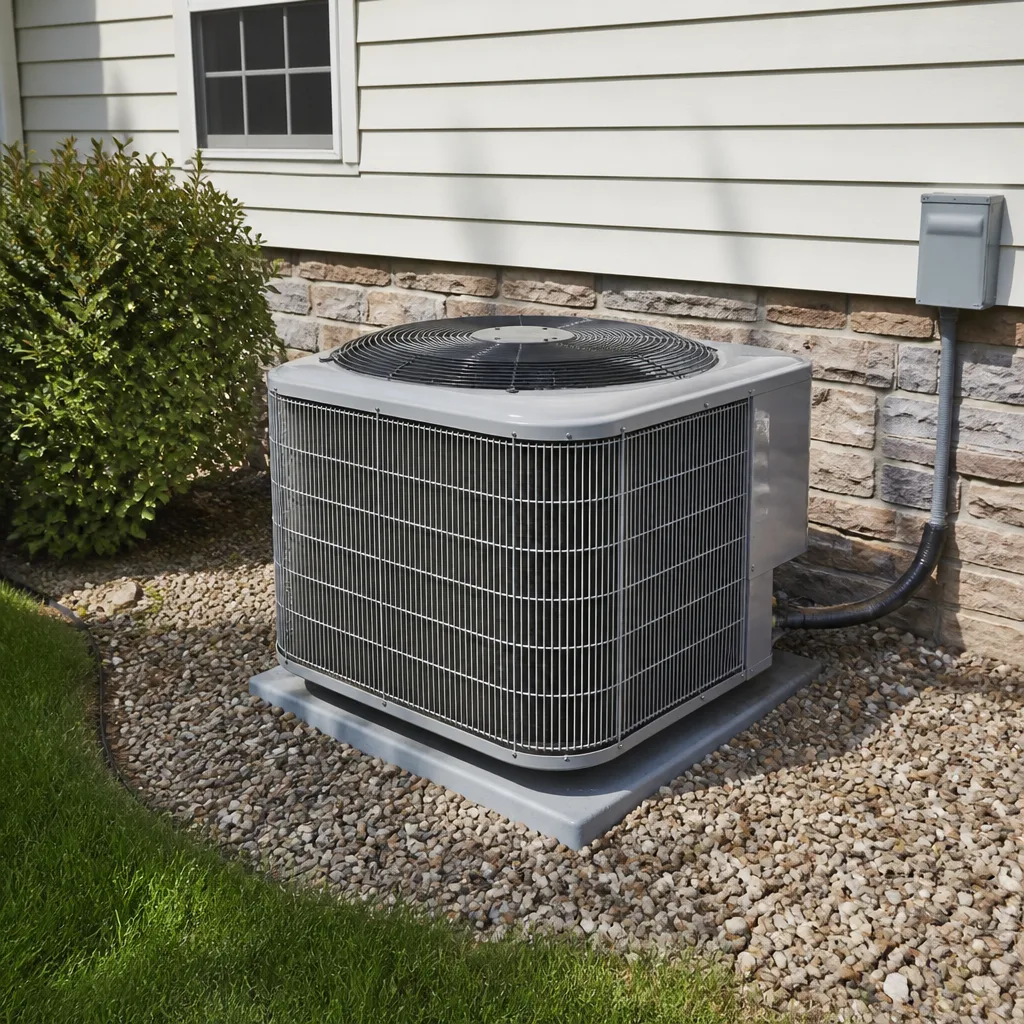 Carrier
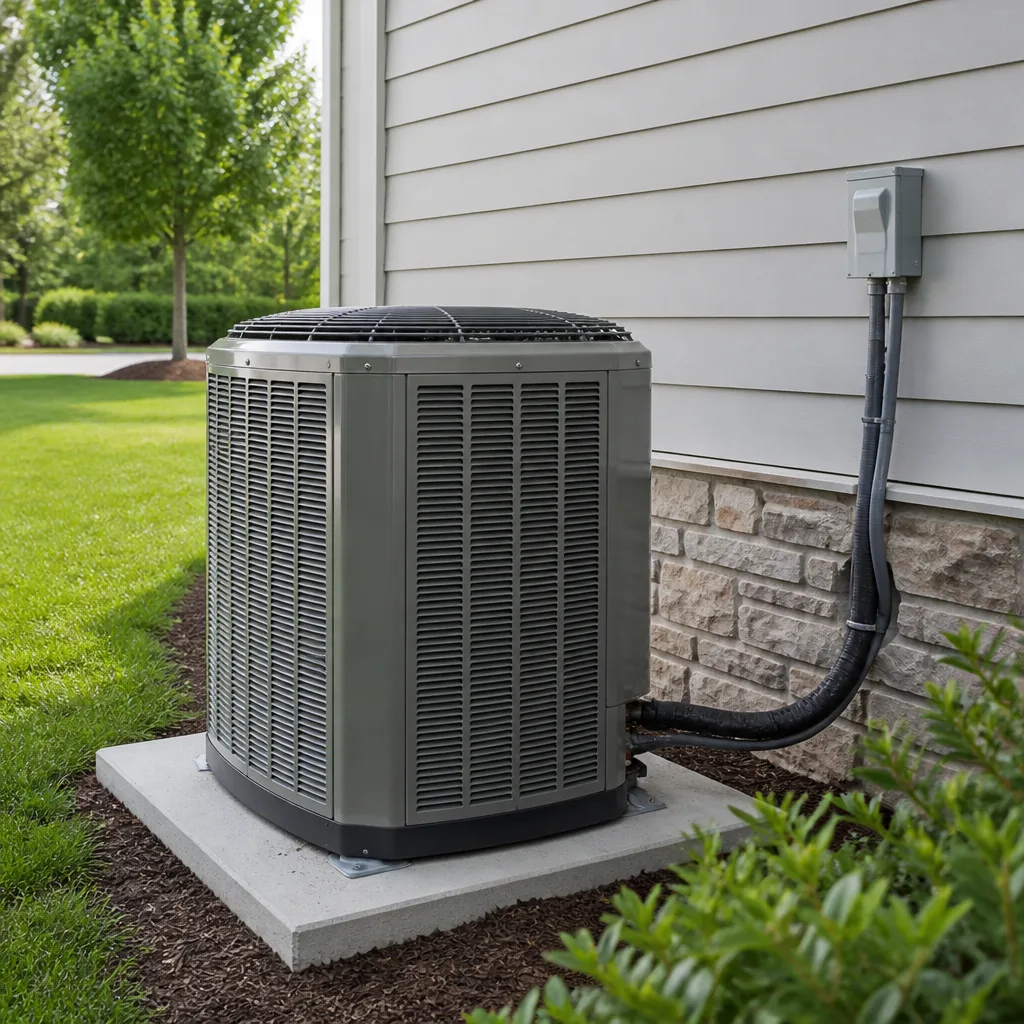 Trane
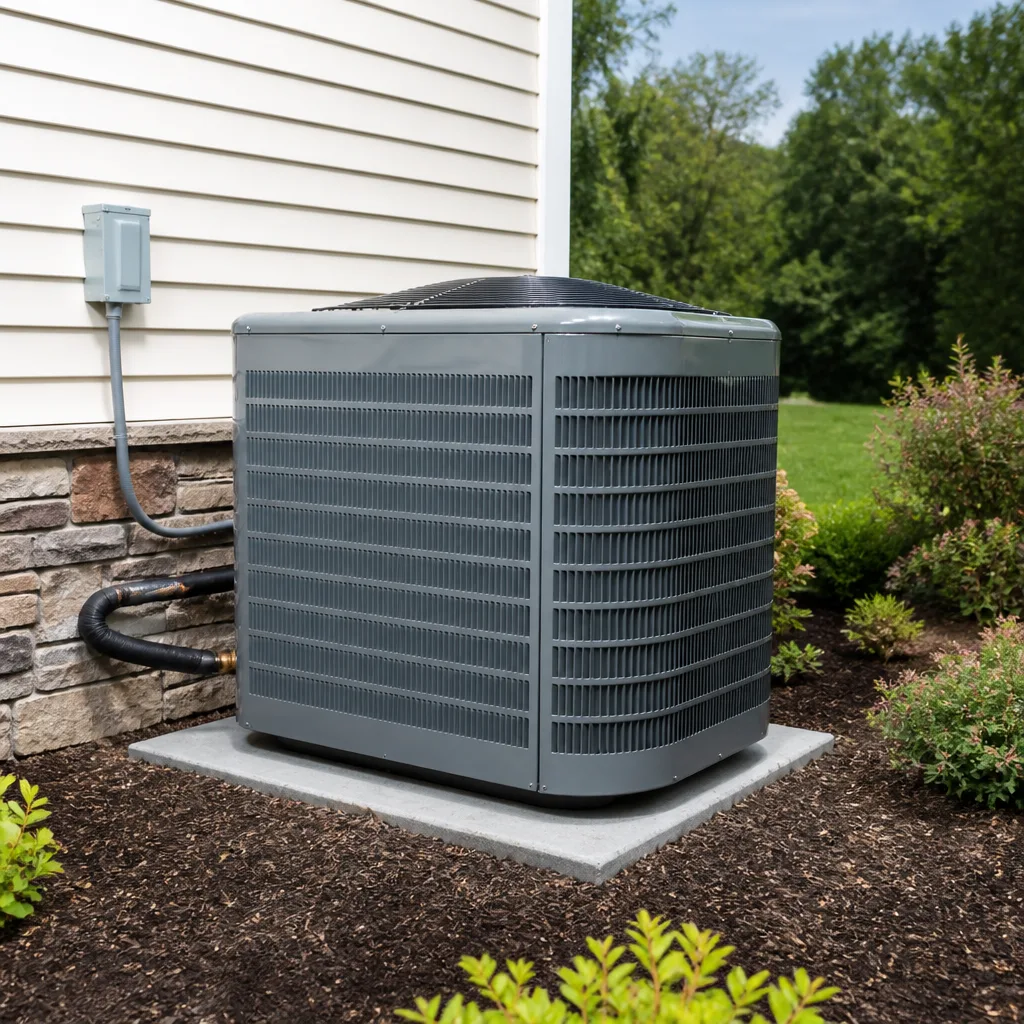 Goodman
Seasonal tune-up and full diagnostic on your Carrier, Trane, or Goodman system - readings shown to you before any repair is proposed
Diagnosis first, numbers second - you approve the repair price before a single part goes in.
Get your free estimateDIY vs Professional HVAC: The Hayward Homeowner’s Decision Guide
Replacing your own capacitor is legal, YouTube-able, and sometimes the right call. Touching refrigerant without an EPA Section 608 certification is a federal violation, no matter what the comment section tells you. That single split explains more about the DIY-versus-professional question than any cost chart: in California, the line between “fix it yourself” and “call a licensed contractor” isn’t about difficulty or confidence, it’s about what the law actually allows you to handle. This guide draws that line clearly for Hayward homeowners, covering which tasks are genuinely worth doing yourself, which ones put your warranty and safety at risk, and how to tell the difference before you start.
Quick Answer
You can legally and safely handle basic HVAC homeowner tasks in Hayward: filter changes, coil cleaning, thermostat batteries, and visual inspections of the outdoor unit. Anything involving refrigerant, gas piping, electrical panel work, or sealed system components requires an EPA 608 certification or a licensed contractor by law, and doing it yourself risks injury, voided warranties, and compounding damage that costs more to undo than the original repair would have.
Styles & brands we work with
- AC repair
- Furnace & heating
- Heat pumps
- Ductless mini splits
- Carrier
- Trane
- Goodman
Table of Contents
- Where California Law Draws the DIY Line
- What Hayward Homeowners Can Safely Do Themselves
- What Requires a Licensed Contractor or EPA Certification
- The Hidden Cost of DIY Mistakes: Warranties and Compounding Failures
- When a Quick Fix Is Masking a Safety Issue
- Read the Manual First: The Step Most DIYers Skip
- Why Hayward Homes Need a Different Approach
- A Decision Framework for Any HVAC Problem
Where California Law Draws the DIY Line
The most useful thing a Hayward homeowner can understand about HVAC work is that legality and difficulty are two separate questions. A task can be physically simple and still be illegal to perform without a credential. Refrigerant handling is the clearest example: under the federal Clean Air Act and Section 608 of the EPA regulations, any person who maintains, services, repairs, or disposes of equipment that could release ozone-depleting refrigerants into the atmosphere must be certified. That’s not advice, that’s law. Buying a can of refrigerant at a parts store doesn’t make venting it into the air a legal act, and it doesn’t make the system work afterward either.
California layers its own contractor licensing rules on top. The Contractors State License Board requires that any project over $500 in labor and materials be performed by a licensed contractor, and HVAC work is generally treated as a licensed trade. For repairs to your own primary residence, a homeowner can pull permits for and perform certain work themselves, but that exception doesn’t override federal refrigerant law or gas safety codes.
Here’s how the split actually breaks down for a typical Hayward home:
- Legal for homeowners: filter replacement, thermostat programming, coil cleaning access, clearing debris around the outdoor unit, checking breakers, replacing thermostat batteries.
- Requires EPA 608 certification: any work that opens the refrigerant circuit, including recovery, charging, leak sealing, and component replacement involving refrigerant lines.
- Requires a licensed contractor: gas line work, heat exchanger replacement, electrical panel connections, compressor replacement, and any permitted installation work.
- Grey area best left alone: capacitor and contactor swaps that are legal but dangerous, and motor replacements that can cause warranty issues if done wrong.
We work in Hayward regularly, and the honest pattern is this: the tasks people ask about most are the ones they shouldn’t tackle. Capacitor swaps come up constantly in DIY forums, and they’re legal but genuinely dangerous. System work in Hayward is not a hobbyist activity once you cross into the electrical or refrigerant side of the unit.
What Hayward Homeowners Can Safely Do Themselves
Let’s be direct: the list of genuinely worth-it DIY tasks is shorter than most guides admit. We’re not going to pad it with filler to make you feel productive. These are the tasks that save you money, don’t risk your system, and don’t void anything.
- Replace the air filter every 1 to 3 months. This is the single highest-value habit in HVAC ownership. A clogged filter strains the blower motor, reduces airflow, and accelerates wear. In Hayward’s dusty summer months, take the shorter end of that range.
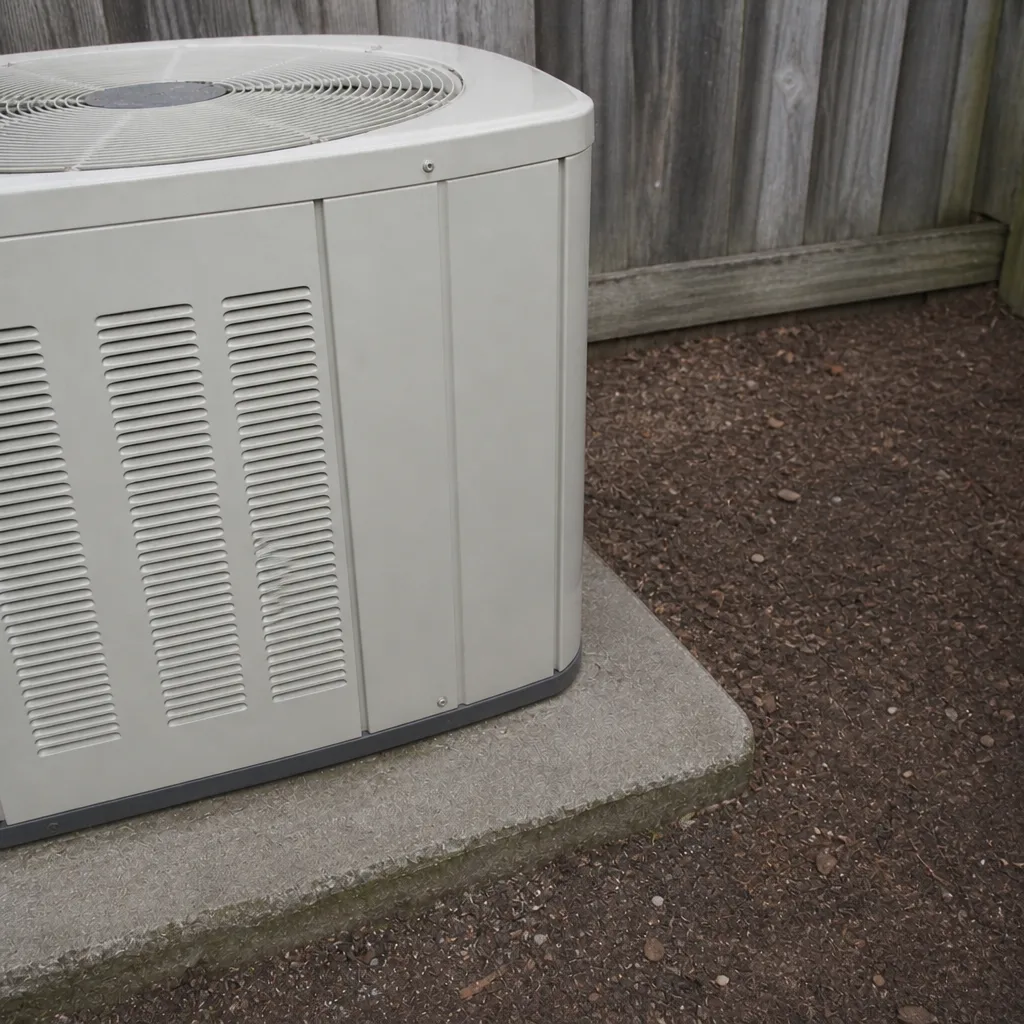
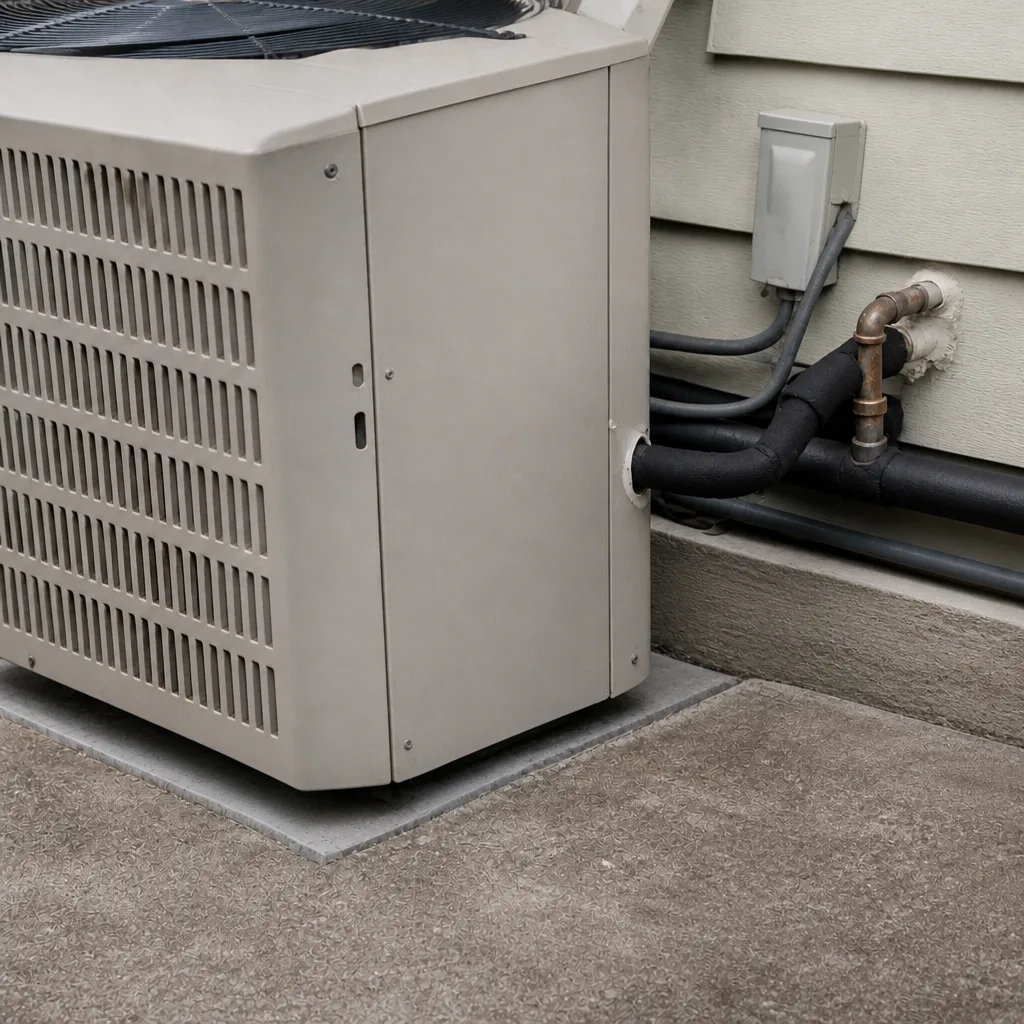
- Keep the outdoor condenser clear. Trim plants back at least two feet, remove leaves and debris from the top grille, and check for anything stacked against the unit. A condenser that can’t breathe loses efficiency fast.
- Check and reset tripped breakers once. If the outdoor unit’s breaker trips, resetting it once is reasonable. If it trips again, stop and call a technician. Repeated tripping is a symptom, not a problem.
- Replace thermostat batteries. Most digital thermostats run on batteries. When cooling stops for no obvious reason, this is the first thing to check. It costs a few dollars and takes two minutes.
- Rinse the outdoor coil with a garden hose. With the power off at the breaker, a gentle hose rinse on the outdoor coil clears dust and pollen. Don’t use a pressure washer, don’t bend the fins.
- Keep condensate drain visible. Locate the condensate drain line and check for standing water in the pan once a season. A slow drain can turn into a water damage call.
That’s the list. Everything beyond it requires tools, training, or credentials. Any guide that tells you to “top off the refrigerant yourself” or “just swap the capacitor, it’s easy” is skipping the part about what goes wrong.
If your filter changes and basic habits aren’t keeping the system running, that’s already a repair signal. Our AC repair page walks through what we actually look at during a diagnostic, and it’s a useful read before you decide what to do next.
What Requires a Licensed Contractor or EPA Certification
Some HVAC work isn’t a matter of confidence or tool access. It’s a matter of law, and the law exists because people get seriously hurt or die doing these tasks without training. Here’s the honest list of what a Hayward homeowner should never attempt:
- Anything involving refrigerant. Charging, recovering, leak sealing, line repairs, and compressor swaps all fall under EPA Section 608. Venting refrigerant is a federal violation, and improper charging can destroy a compressor in a single season.
- Gas line work of any kind. If you smell gas, you call your gas utility first, then a licensed technician. Gas leaks cause explosions and carbon monoxide exposure. There’s no DIY version of this that’s safe.
- Heat exchanger inspection or replacement. A cracked heat exchanger can leak carbon monoxide into your ducts. You cannot safely inspect one visually from the outside, and replacing one requires disassembly that puts you inside the combustion path.
- Electrical panel work. Adding a circuit for a new system, replacing a disconnect, or troubleshooting a compressor circuit are licensed electrician tasks in California. The voltage in an HVAC circuit is lethal.
- Compressor and motor replacement. Even if you can physically bolt one in, sealed system work requires refrigerant certification to charge afterward, and the manufacturer’s warranty is typically void without a licensed installation.
- Furnace combustion tuning. Adjusting gas pressure, cleaning burners, or replacing flame sensors requires understanding combustion air and venting. Getting it wrong creates carbon monoxide risk.
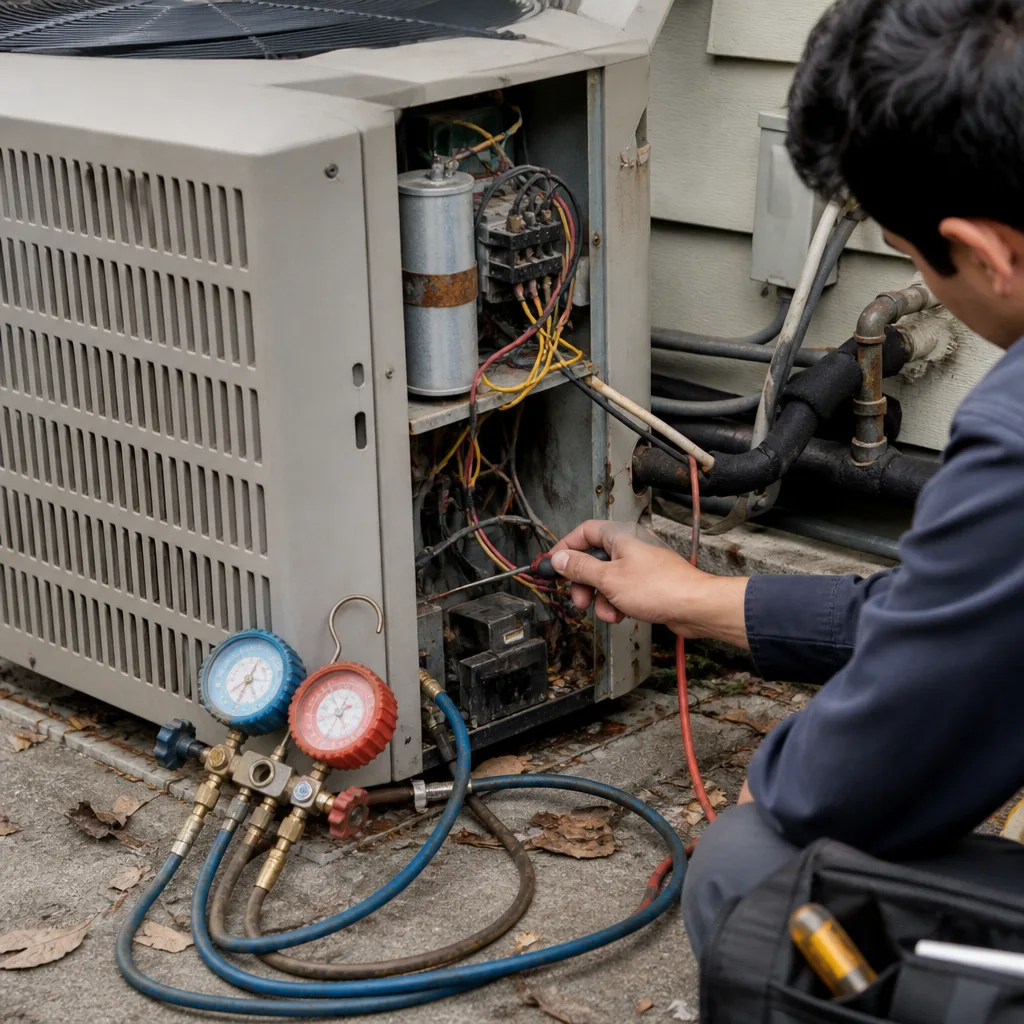
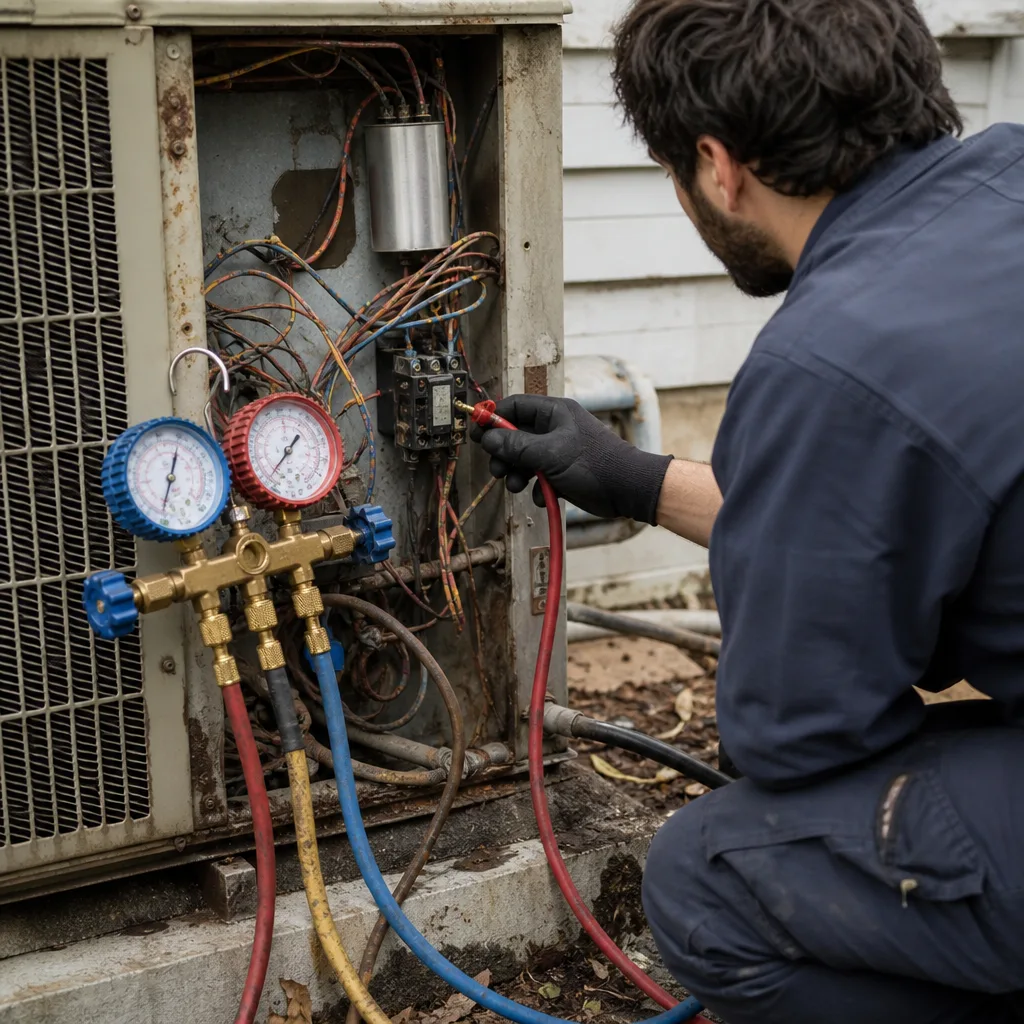
In our experience with Hayward homes, the systems that come in for repair after a DIY attempt are almost always refrigerant-related. Someone watched a video, added refrigerant, and shorted the compressor. That repair typically costs more than the original service call would have. Systems from brands like Carrier and American Standard are built to tight charge tolerances, and getting the superheat or subcooling right requires gauges and training. If you’re curious about the repair side, our main AC repair Hayward coverage explains how we diagnose refrigerant issues.
The Hidden Cost of DIY Mistakes: Warranties and Compounding Failures
The sticker price of a DIY mistake is rarely the whole story. Three costs tend to pile on top of each other, and they’re worth understanding before you pick up a wrench.
Voided warranties
Most manufacturer warranties – including the coverage on Carrier, Bryant, and American Standard systems common in Hayward – require that installation and sealed system work be performed by a licensed professional. Warranty language varies by brand, but the pattern is consistent: unlicensed repairs void coverage on the affected parts. A failed compressor that would have been covered can turn into a full out-of-pocket replacement because someone added refrigerant without certification.
Compounding failures
HVAC systems are integrated. A wrong capacitor can take out a motor. A misdiagnosed refrigerant issue can overheat a compressor. A filter that never gets changed can shorten blower life. Each of these is a small problem turning into a large one. What starts as a $20 part can lead to a $200 repair, then a $2,000 repair, and the compounding is the cost, not any single step.
Undo-the-damage labor
When we take on a repair after a failed DIY attempt, part of the work is undoing what was done. Wiring that’s been moved and not labeled, refrigerant that’s been overcharged or topped with the wrong type, sealant applied where it shouldn’t be. This is real labor and it’s often more time-consuming than the original repair would have been.
The more useful comparison isn’t “DIY cost vs. professional cost.” It’s “professional cost vs. professional cost plus the cost of undoing the DIY attempt.” Once you frame it that way, the calculus shifts. Our AC installation page covers how we handle replacement when repair isn’t the right call, which is a related decision worth understanding.
When a Quick Fix Is Masking a Safety Issue
Some of the most dangerous HVAC problems look like simple repairs from the outside. A quick fix that “works” can be covering a failure that will hurt someone. These are the four we look for hardest:
- Cracked heat exchanger. Symptoms look like a furnace that runs but doesn’t heat well, or a flame that flickers oddly. What’s actually happening is that combustion gases are mixing with your air supply. This is a carbon monoxide risk and it can be fatal.
- Refrigerant leak. A system that needs topping off every season is leaking. The “quick fix” of adding refrigerant masks a leak that will grow, and refrigerant in an enclosed space displaces oxygen. Refrigerant leaks also corrode system components over time.
- Electrical fault. A breaker that keeps tripping, a burning smell at the disconnect, or scorch marks on wiring are all symptoms of an underlying fault. Resetting the breaker is a band-aid on a wire that will eventually fail.
- Blocked flue or vent. If a furnace’s exhaust vent is obstructed, combustion gases have nowhere to go but back into the home. This may present as a furnace that keeps shutting off on a safety switch, and the “fix” of bypassing the switch is genuinely dangerous.
None of these can be safely assessed by a homeowner without training. A visual inspection from outside the cabinet won’t show you a cracked heat exchanger. A soap bubble test won’t find a slow refrigerant leak. An electrical fault needs a meter and the knowledge to read it.
Since we handle both cooling and heating, we see both failure modes and the crossover between them. Brands like Daikin and Bryant have somewhat different diagnostic patterns, which is one reason factory familiarity matters. When a problem is genuinely a safety issue, it’s worth one professional visit rather than a chain of DIY attempts. Our furnace and heating work is bundled with cooling for exactly this reason.
Read the Manual First: The Step Most DIYers Skip
Manufacturer documentation is the most underused resource in residential HVAC. Every system installed in Hayward has an installation manual and a service manual, and those documents tell you what the system is designed to do and how to know if it’s doing it. Most DIYers skip them entirely.
Here’s the sequence that actually works:
- Find your model number. It’s on a data plate on the outdoor unit and inside the air handler. Write it down before you go looking.
- Download the manual. Carrier, Bryant, Trane, American Standard, Goodman, Daikin, and the other major brands all publish installation and service manuals for free online. Search the model number plus “manual.”
- Check the warranty section. It will tell you, in plain language, what voids coverage. This is often the deciding factor for whether a DIY task is worth attempting.
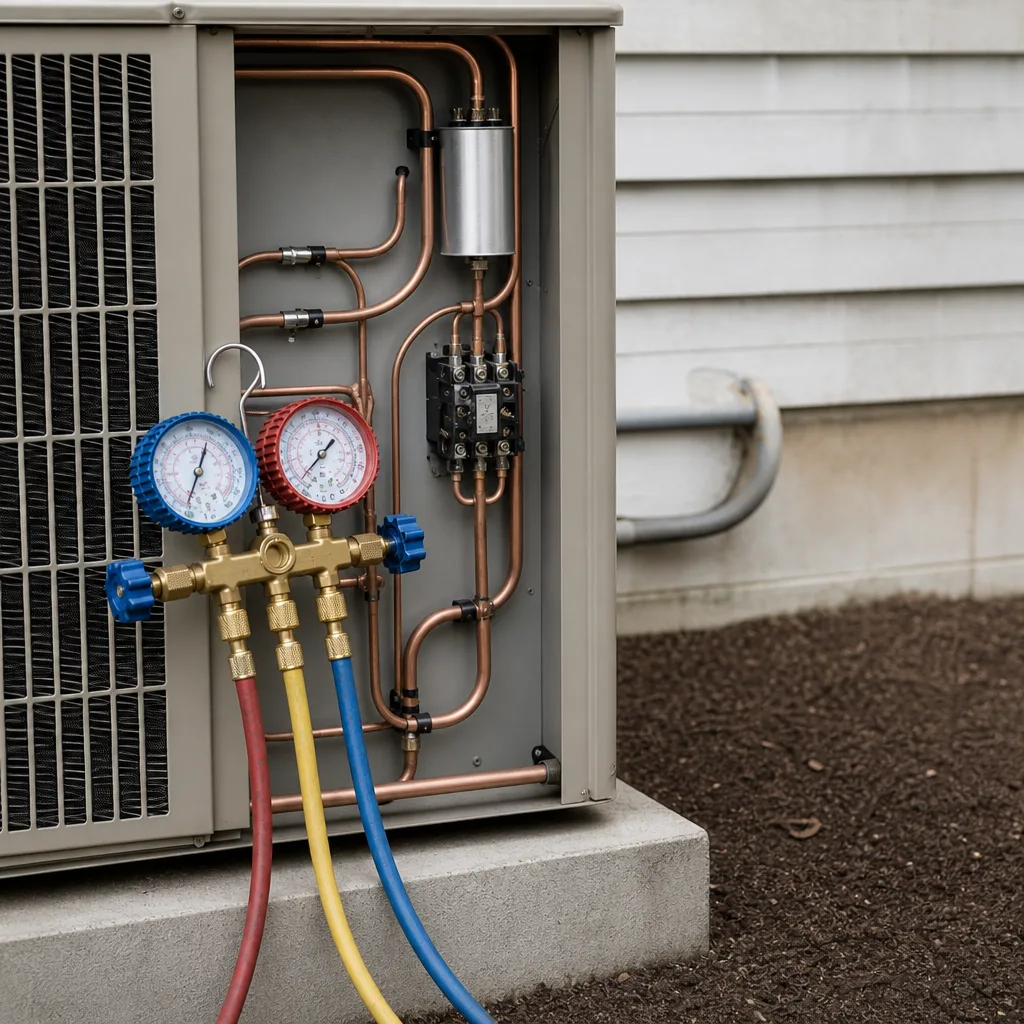
- Read the troubleshooting table. Manufacturer troubleshooting tables map symptoms to causes and specify diagnostics. They also tell you what tools are required. If the diagnostic requires a manifold gauge set or a multimeter, that’s your signal.
- Check the required maintenance list. This is what the manufacturer says should be done and how often. If a task on the list involves tools you don’t own, it’s a professional task.
The step people skip is number three. A twenty-minute read of the warranty section often settles the DIY question faster than any YouTube video. We’ve had homeowners tell us they attempted a capacitor replacement because a commenter said it was “basically plug and play.” The manual says otherwise. The warranty says otherwise. The capacitor’s stored charge says otherwise.
Why Hayward Homes Need a Different Approach
Local conditions change how HVAC systems fail, and Hayward has a fairly specific pattern. The climate is mild most of the year, which means systems here often run less than their design life and show different wear than systems in hotter climates. Then summer arrives, and cooling systems that spent months idle get hit with sustained demand. That first hot week tends to surface problems that didn’t show up during mild weather.
What we see in Hayward homes with any consistency:
- Dust and pollen load on filters. Higher than in homes with more indoor time, especially in neighborhoods with mature landscaping.
- Condensate drain clogs. Even in a mild climate, a system that runs consistently in summer produces plenty of condensate. We see clogged drains turn into water damage because the pan overflow wasn’t addressed.
- Outdoor unit neglect. Because the system runs less, homeowners forget the outdoor unit needs clearing and cleaning. The yards in Hayward are often landscaped, and plants grow into the condenser clearance zone without anyone noticing.
- Older system age. A large share of Hayward homes have systems older than twenty years. Older systems have less margin for poor maintenance and less tolerance for anything that isn’t correct.
None of this changes the DIY rules. It changes the math on whether a DIY attempt is worth the downside. If your system is twenty years old and you’re adding refrigerant to it every summer, you’re not performing maintenance. You’re postponing a replacement decision, and the temporary fix may be masking a leaking system that will fail at the worst possible moment.
For homeowners choosing between repair and replacement, our team handles both. Systems from Goodman and Rheem on the value end, and Trane and Lennox on the premium end, all come through our diagnostic process. If you’re deciding whether repair is worth it, the answer depends on the specific system, which is worth a conversation rather than a guess.
A Decision Framework for Any HVAC Problem
Here’s the framework we suggest Hayward homeowners use before starting any HVAC task. It’s short and it settles most cases in under a minute.
- Does the task touch refrigerant, gas, or electrical panel wiring? If yes, call a licensed professional. This ends the decision.
- Is it on the manufacturer’s required maintenance list and requires only hand tools? If yes, do it yourself and check the manual for how often.
- Is it a symptom rather than a task? A noise, a smell, a breaker that trips twice, or an unusual cycle pattern is a symptom. Symptoms need diagnosis, not a fix.
- Would a mistake void the warranty? If the answer is unclear, check the warranty section of the manual. If it isn’t clearly allowed, don’t.
- Is the system more than twenty years old? If yes, weigh the repair against replacement. Repeated DIY repairs on an aging system aren’t saving money, they’re borrowing time.
- Would a wrong diagnosis cost more than a service call? In our experience, this is almost always yes. The service call is a diagnostic; the DIY mistake is often a replacement.
If you’re already past the first step and unsure, the right move is to stop and get a professional read. We’ve seen how much worse a small problem gets when it’s been masked for a season.
Common Mistakes to Avoid
- Adding refrigerant without a leak diagnosis. If the system is low, it’s low for a reason. Topping it off is a short-term fix that overcharges a system with an active leak, and it’s a federal violation without EPA 608 certification. Find the leak or call someone who can.
- Swapping a capacitor without discharging it. HVAC capacitors store dangerous charge even after power is off. People who don’t know how to discharge them safely have been seriously injured. If you don’t know what a bleeder resistor is, don’t touch the capacitor.
- Resetting a tripped breaker more than once. Once is information. Twice is a symptom being ignored. Repeated tripping means a fault that will keep getting worse.
- Bypassing safety switches to make something run. If a furnace shuts off on a limit or flame switch, that switch is doing its job. Bypassing it is a carbon monoxide risk. Never do this.
- Using the wrong filter or MERV rating. A filter that’s too restrictive can starve a system for airflow. Check the manual for the manufacturer’s recommended range. Most Hayward homes are fine with MERV 8 to MERV 11.
- Sealing ducts with tape that isn’t rated for HVAC. Standard duct tape degrades quickly. If ducts are leaking, use foil tape rated for HVAC. If you can’t reach the leak safely, don’t go crawling through the attic for it.
- Assuming a “quick fix” solved the problem before a season passes. Run the system through a full cooling or heating cycle before calling it fixed. The failure mode often returns under load.
See the difference
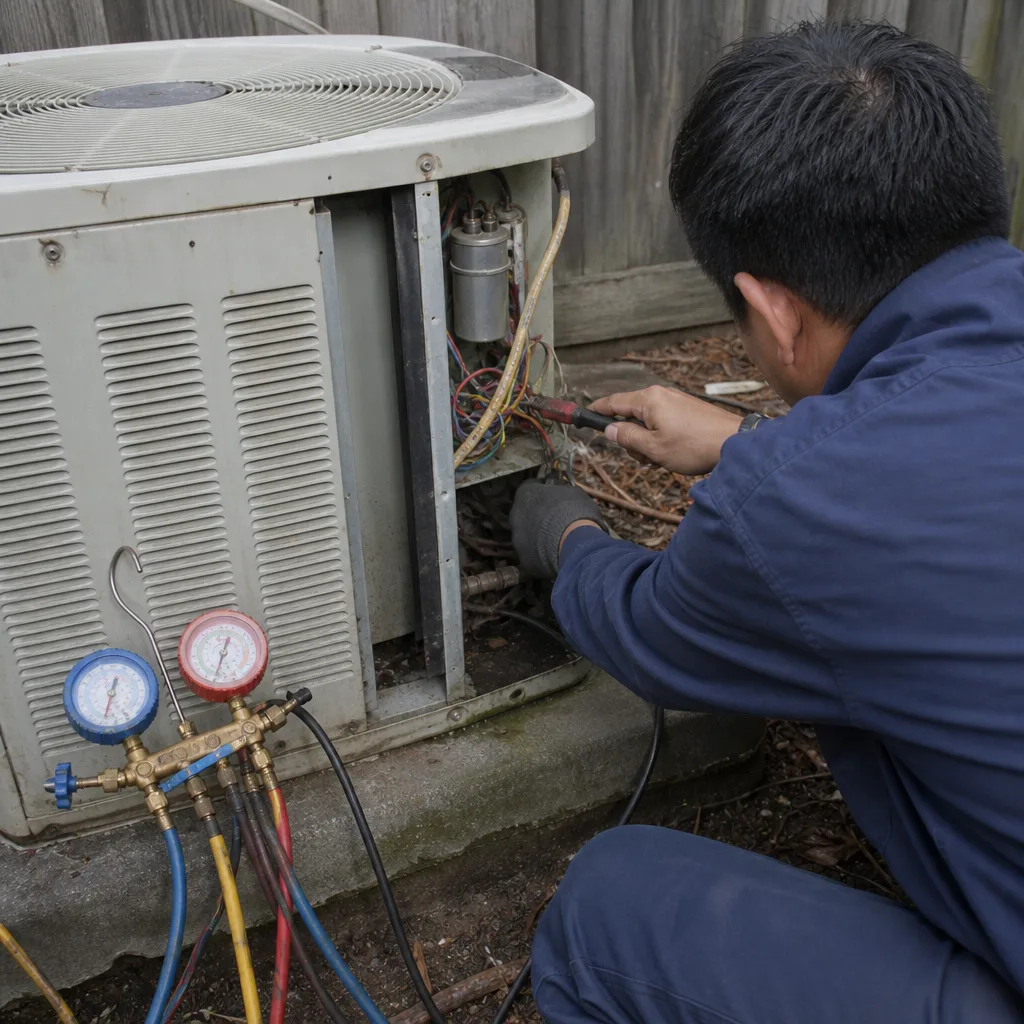 Before
 After
 Before
 After
 Before
 After
When to Call a Professional
Call a professional if any of these are true: your system isn’t heating or cooling as it should, your breaker trips more than once, you smell gas or burning, you see standing water around the indoor unit, you hear unusual noises from the outdoor unit, your system is more than ten years old and hasn’t been serviced, or you’ve read the manual and the diagnostic requires tools you don’t have. Those are the situations where the professional cost is small relative to the DIY downside. AC Repair Hayward offers free estimates in Hayward. Call (888) 870-1847. We answer 24/7. Fast dispatch from 7am to 7pm, Sunday through Friday. Our technicians have up to 10 years of experience and are familiar with nine of the most widely installed residential brands.
Frequently Asked Questions
No. Adding or handling refrigerant requires EPA Section 608 certification under federal law, and California doesn’t allow uncertified homeowners to perform this work even on their own equipment. The Clean Air Act prohibits knowingly venting refrigerant, and proper charging requires gauges and training to avoid damaging the compressor. Call (888) 870-1847 if your system is low on refrigerant and we’ll diagnose the actual leak.
It’s legal but genuinely dangerous. Capacitors store high voltage charge even after power is disconnected and can deliver a serious shock if not properly discharged. Beyond the shock risk, a misdiagnosed capacitor replacement can compound the actual underlying problem. We recommend professional diagnosis for any electrical component inside the unit. Call (888) 870-1847 for an accurate diagnosis.
Often yes, especially if the repair touches the sealed refrigerant system or electrical components. Warranty terms vary by manufacturer, but most major brands – Carrier, Bryant, American Standard, Trane – require licensed professional service for covered repairs. Read the warranty section of your manual before you attempt anything beyond filter changes. Call (888) 870-1847 if you’re unsure whether a repair is covered.
Treat any gas smell, burning smell, unusual flame behavior, repeated safety switch trips, or standing water near electrical components as an immediate safety concern. A cracked heat exchanger can leak carbon monoxide, which you cannot detect by smell or sight. If you’re unsure whether a symptom is dangerous, call a professional before you continue investigating. Call (888) 870-1847.
Stick to filter changes every 1 to 3 months, clearing debris from the outdoor unit, replacing thermostat batteries, rinsing the outdoor coil with a garden hose with power off, and keeping the condensate drain pan visible. These are safe, effective, and worth doing. Anything touching refrigerant, gas, or electrical panel wiring is a call-a-professional task. Call (888) 870-1847 for a diagnostic if your maintenance routine isn’t keeping the system running right.
Only if the fix is on the safe-DIY list above. For anything involving refrigerant, gas, electrical components, or an unclear symptom, the quick fix usually masks the underlying problem and makes it worse. A diagnostic visit is far cheaper than undoing a failed repair. Call (888) 870-1847 for a straight answer before you start.
The Bottom Line
The DIY versus professional question in Hayward comes down to legality and liability, not confidence. Filter changes, coil cleaning, and thermostat batteries are yours to handle. Refrigerant, gas, electrical panel work, and sealed system components belong to certified professionals, and that’s a legal line, not a preference. A DIY attempt on the wrong task risks injury, voids manufacturer warranties, and often costs more to undo than the original repair would have. Read your manual before you pick up a wrench. Know which side of the line you’re on. When in doubt, one diagnostic visit settles it in your favor.
AC Repair Hayward handles AC repair, AC installation, and furnace repair across nine major residential brands, from premium systems like Carrier, Trane, and American Standard to value systems like Goodman and Daikin. Whether you’re deciding between repair and replacement, or you’ve already hit a wall with a DIY attempt, we’ll diagnose the actual problem before recommending anything. Call (888) 870-1847 for a free estimate. We answer 24/7. Fast dispatch from 7am to 7pm, Sunday through Friday.
Written by the team at AC Repair Hayward.