
Last updated November 15, 2026
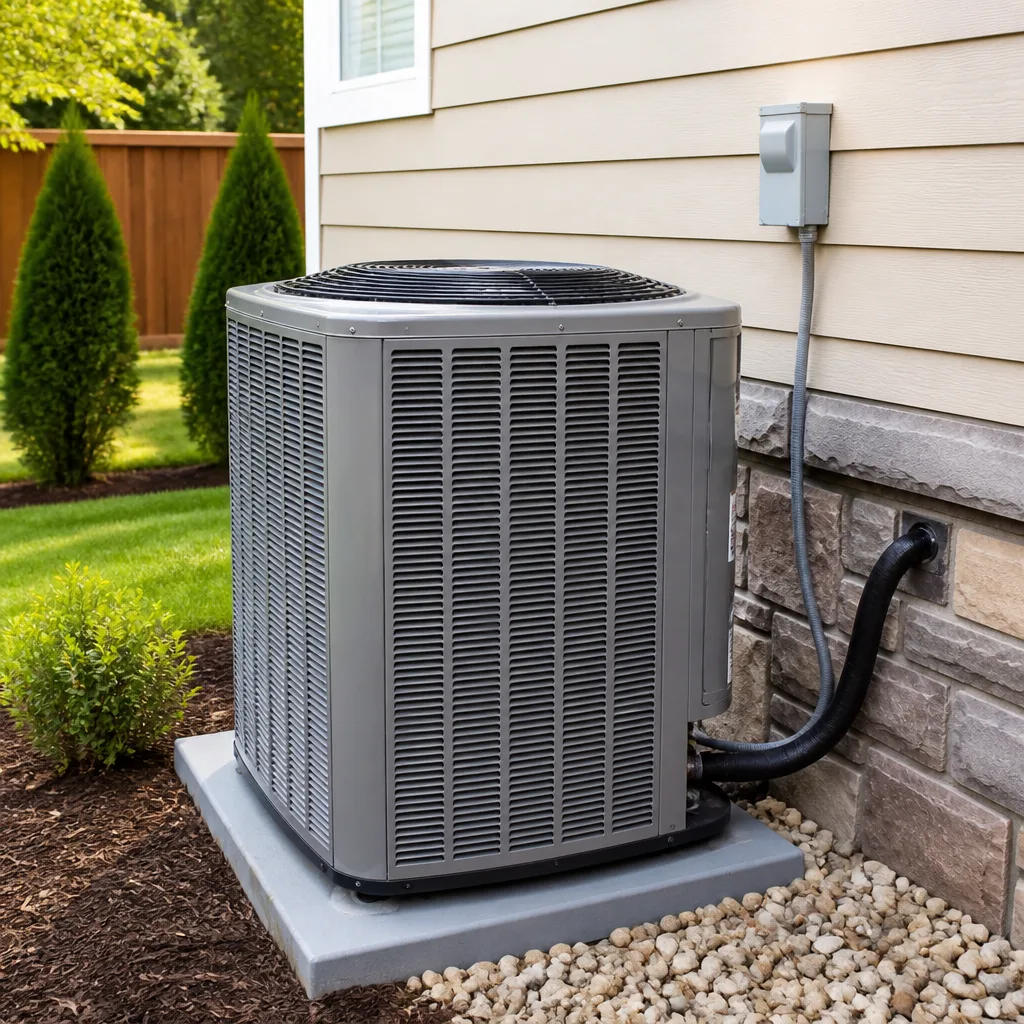 AC repair
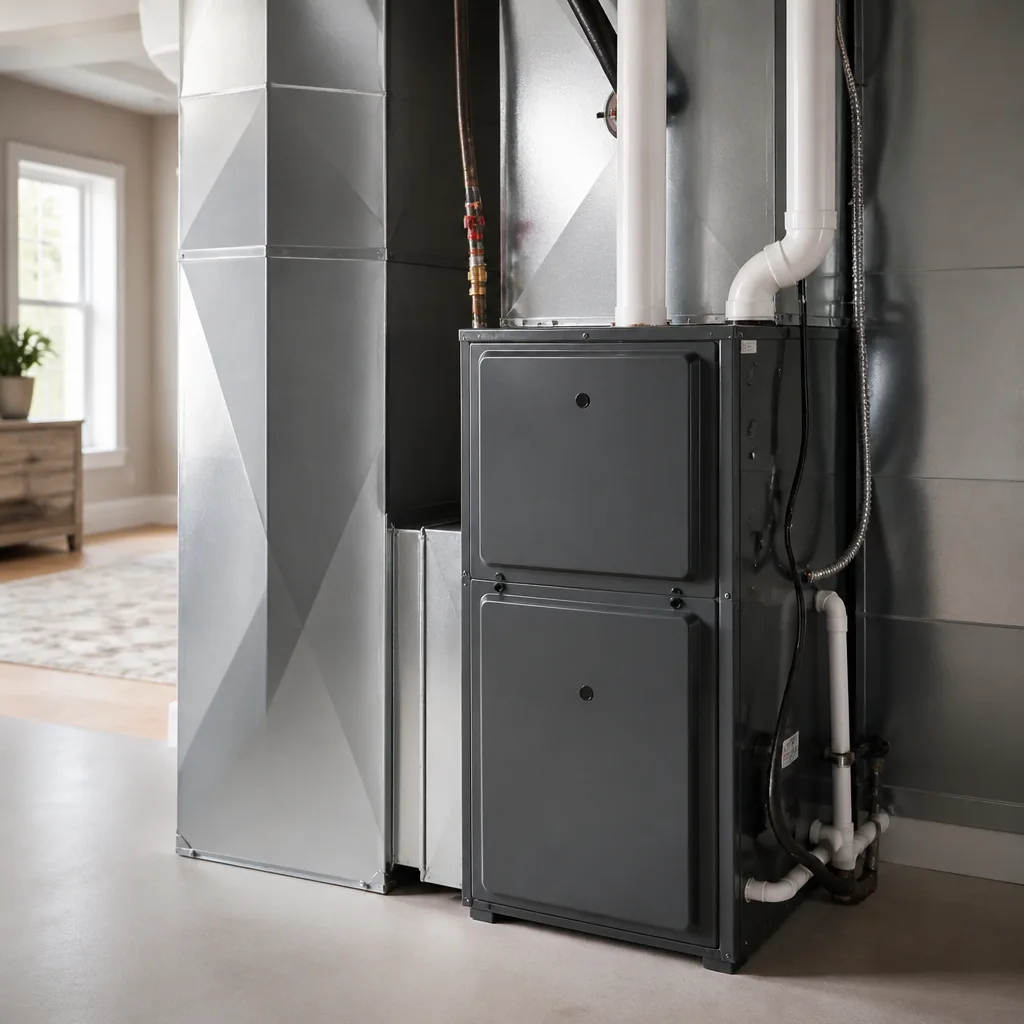 Furnace & heating
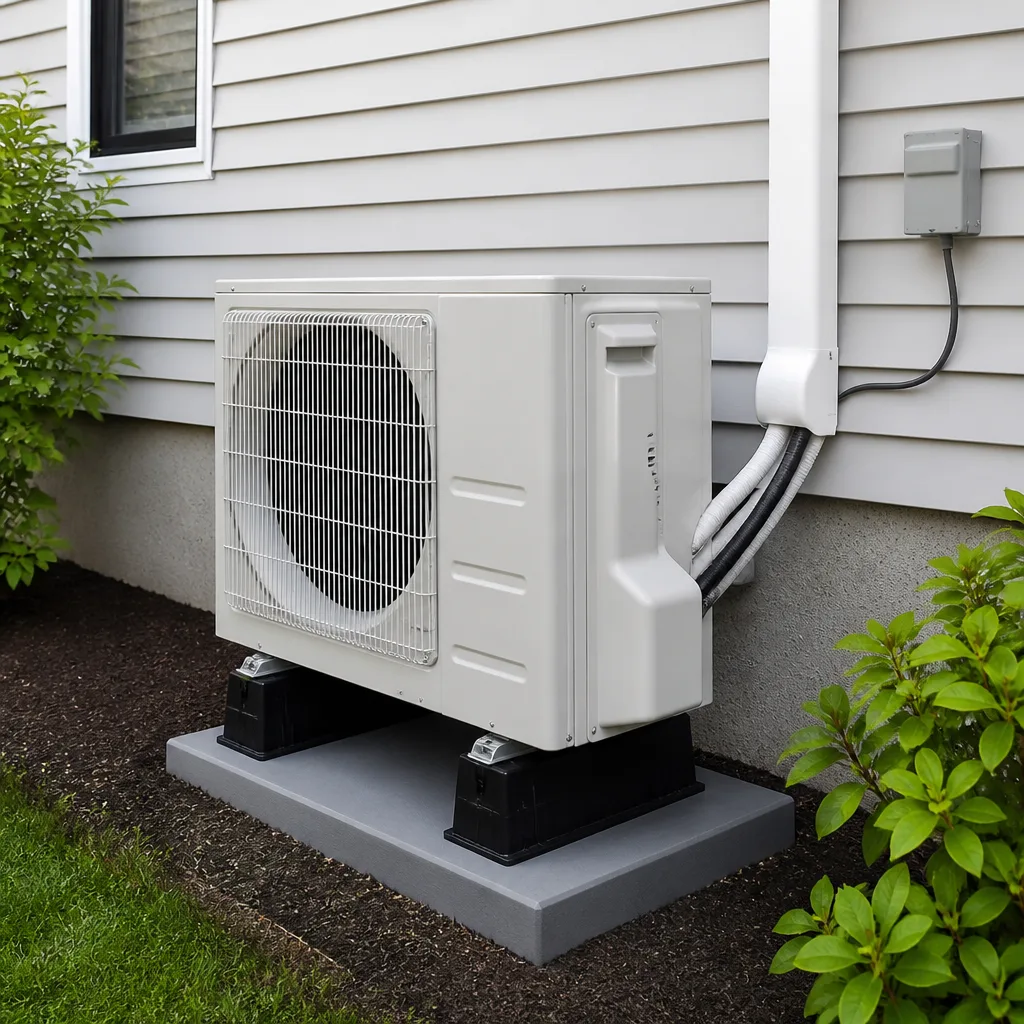 Heat pumps
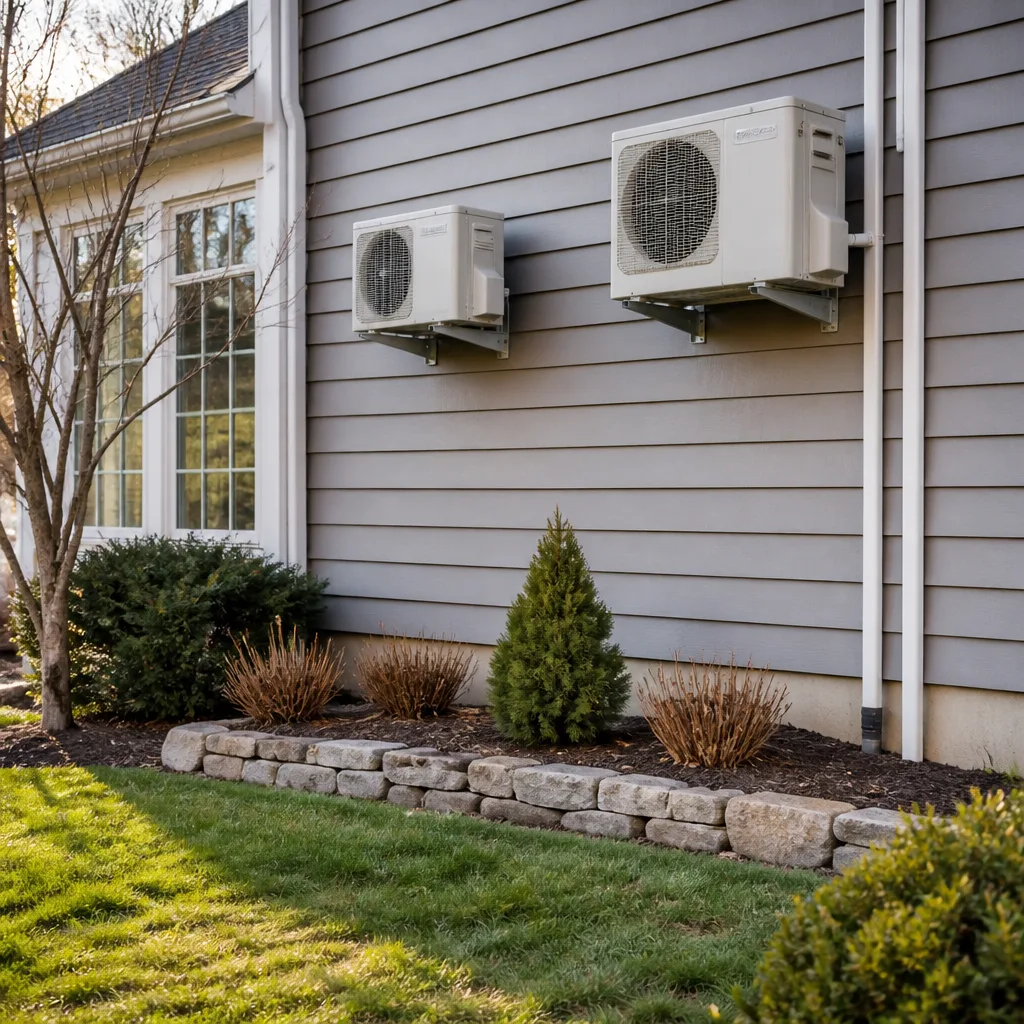 Ductless mini splits
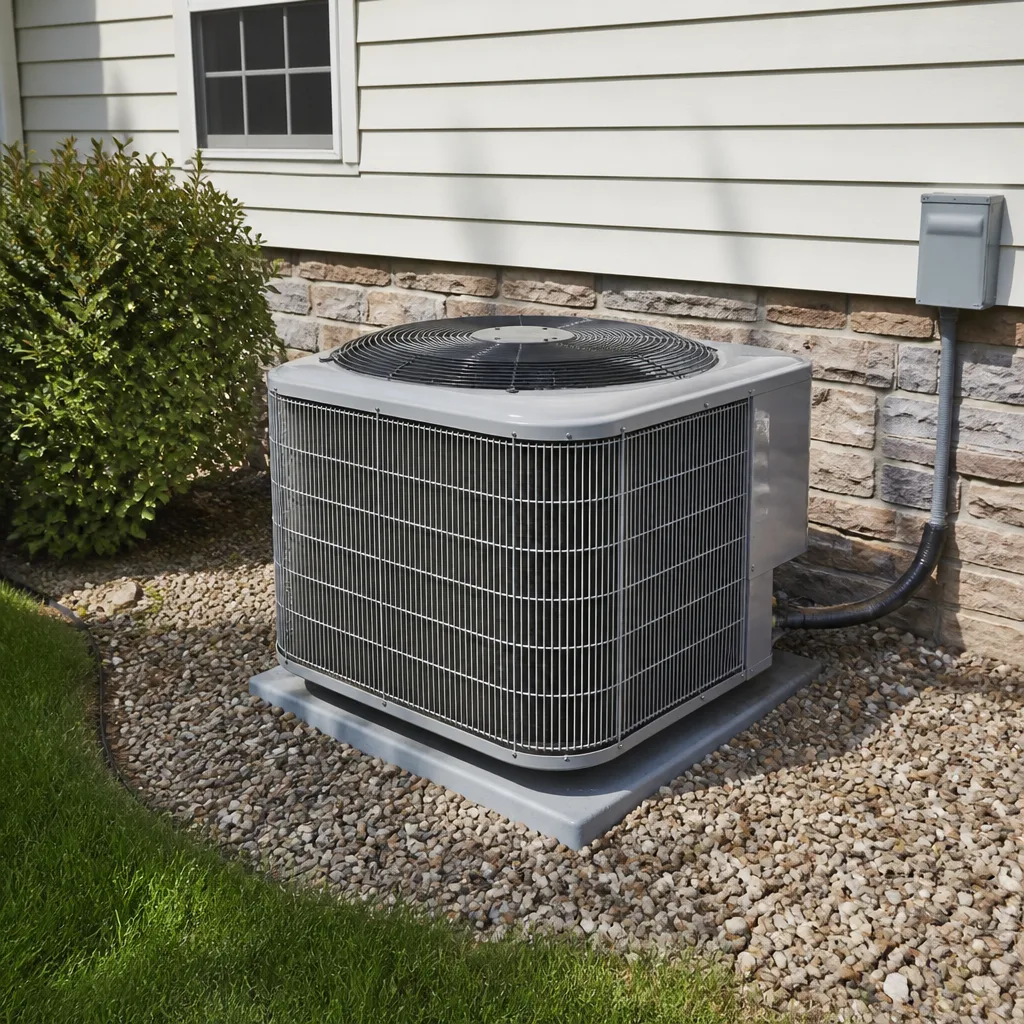 Carrier
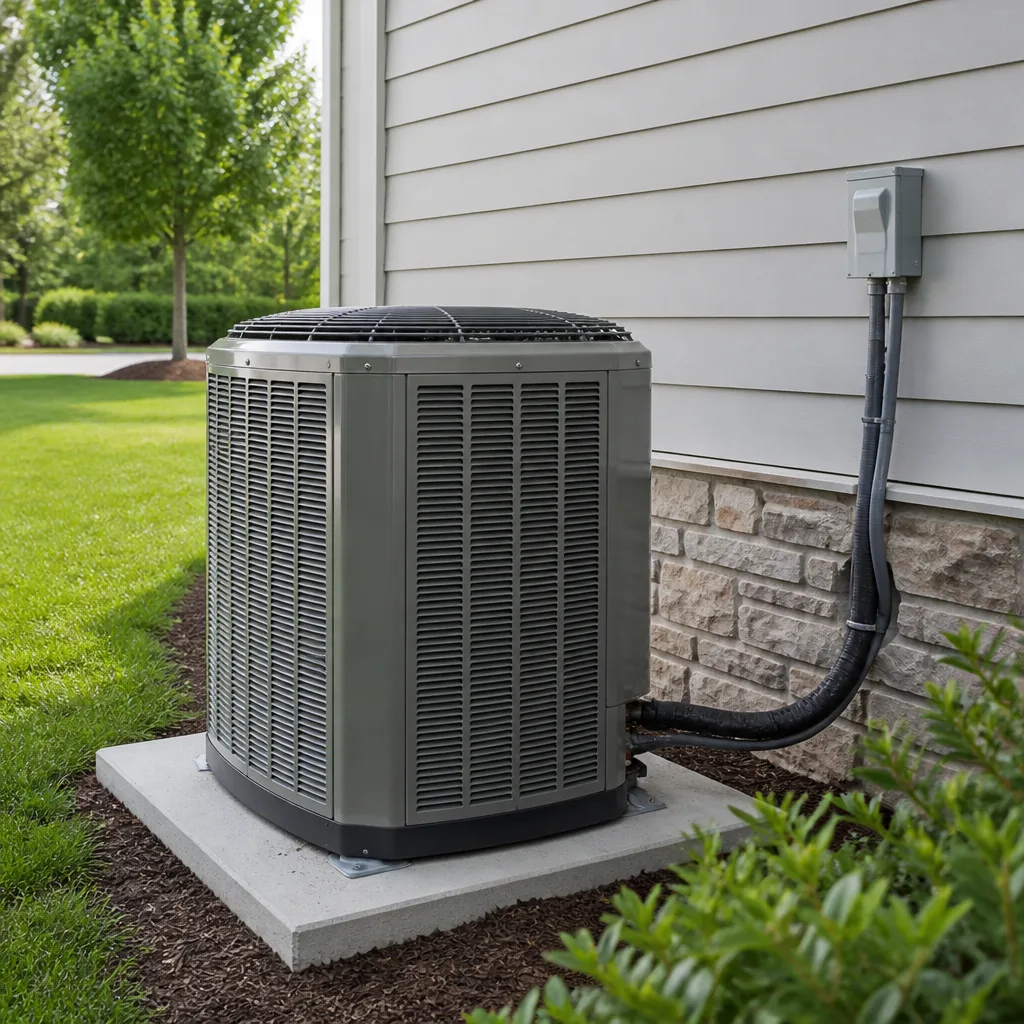 Trane
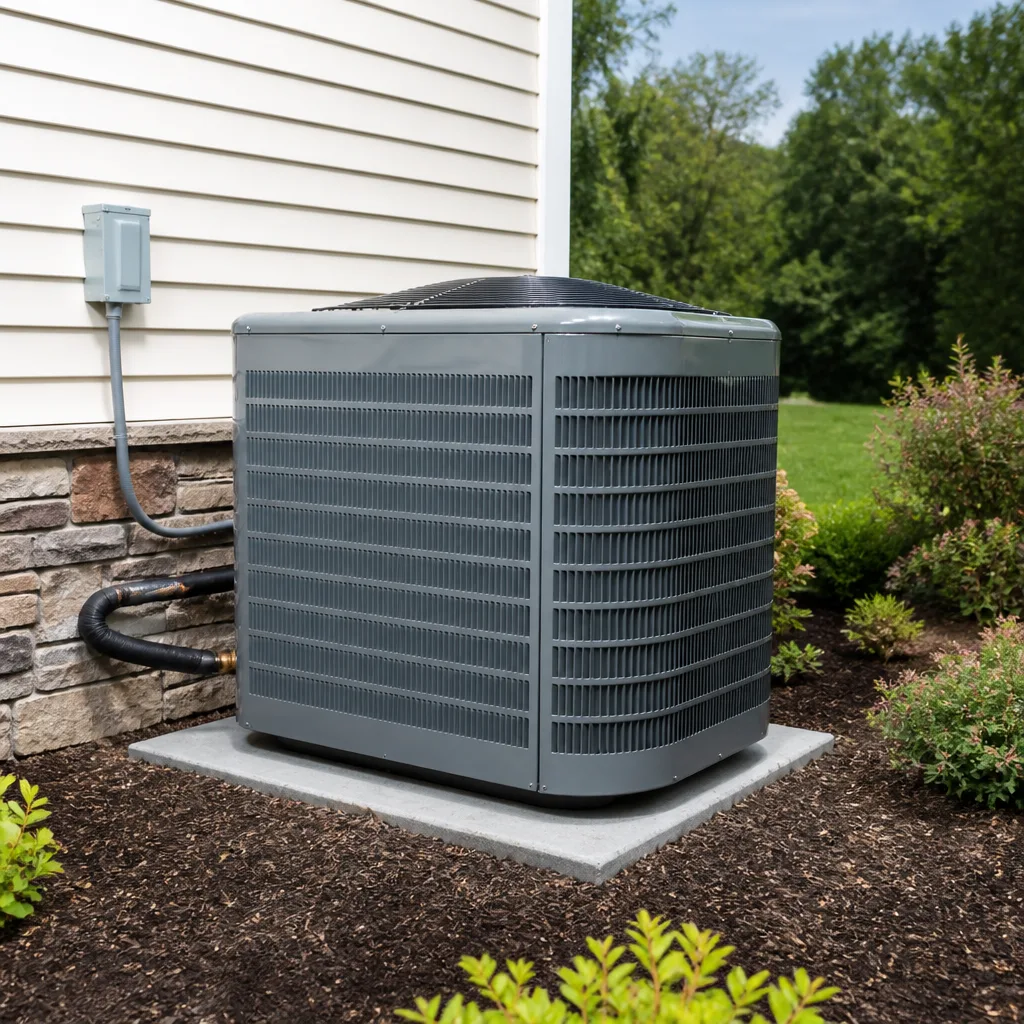 Goodman
Seasonal tune-up and full diagnostic on your Carrier, Trane, or Goodman system - readings shown to you before any repair is proposed
Diagnosis first, numbers second - you approve the repair price before a single part goes in.
Get your free estimateSeasonal HVAC Care for Hayward: Year-Round Homeowner’s Guide
Hayward‘s climate is mild enough that most homeowners skip seasonal HVAC prep entirely, right up until a week-long heat dome or an unusually cold January night proves the system wasn’t ready. The common mistake is borrowing a Midwest maintenance calendar, where furnace prep in October and AC prep in April make sense. Hayward doesn’t work that way. Our weather gives us two preparation windows and two monitoring windows, and doing the right task at the wrong time wastes money and leaves equipment exposed. This guide remaps seasonal care to what Hayward actually does month by month, so you know when to act and when to simply watch.
Quick Answer
Seasonal HVAC care in Hayward means focusing effort on two prep windows: late winter into early spring for the cooling side, and late summer into early fall for the heating side. Between those windows, the job is monitoring rather than servicing. A light mid-summer check during the first real heat wave and a fall look at condensate lines and ductwork matter more than a full tune-up scheduled by the national calendar.
Styles & brands we work with
- AC repair
- Furnace & heating
- Heat pumps
- Ductless mini splits
- Carrier
- Trane
- Goodman
Table of Contents
- Why Hayward Has Two Prep Windows, Not Four Seasons
- A Month-by-Month Task Map for Hayward Homes
- Why Heating Prep Still Matters in a Mild Climate
- Fall and Winter Moisture, Ductwork, and Insulation
- The Case for a Mid-Summer Quick Check
- Shoulder Season: Switching Modes in the Same Week
- Brand-Specific Notes: Bryant, York, Daikin, and Rheem
- Common Mistakes to Avoid
- When to Call a Professional
- Frequently Asked Questions
Why Hayward Has Two Prep Windows, Not Four Seasons
Hayward’s climate is temperate enough that heating and cooling demand stay moderate through most of the year. That sounds easy on equipment, and in some ways it is. But mild climates create their own pattern: systems sit idle for long stretches, then get called into hard service when a heat dome parks over the East Bay or a cold snap pushes overnight temperatures down for several nights in a row. The equipment that fails first is usually the equipment that sat unused the longest.
We think of the year as four windows, not four seasons:
- Late February to early April – the primary cooling prep window. This is when a full AC tune-up makes sense, before the first real heat of the year.
- May through September – the monitoring window. The cooling system is doing real work; the job is watching filters, condensate, and any change in performance.
- Late August through October – the primary heating prep window. Fall is when a furnace tune-up belongs on the calendar, before the first genuinely cold nights.
- November through January – the second monitoring window. Heating runs occasionally, and any fall-prep work proves itself here.
National maintenance schedules assume a hard summer-to-winter swing. Hayward doesn’t deliver that. A homeowner who waits for the “spring AC tune-up” reminder email in late May has already burned through the mild weeks when a technician has the time to look carefully. Same story on the heating side: an October furnace tune-up is right; a December one often happens after the first cold snap exposed a problem.
If you’re scheduling a full service call, our AC Repair Hayward team handles both sides of this calendar, so the same number works in February and in September.
A Month-by-Month Task Map for Hayward Homes
This map is calibrated to what Hayward actually does month by month, not the national averages that drive most maintenance contracts. Homeowners who follow it tend to catch problems before they become emergency calls.
- January – Watch. Heating runs lightly. Check the furnace filter, listen for new noises on startup, and note any room that heats noticeably slower than the rest.
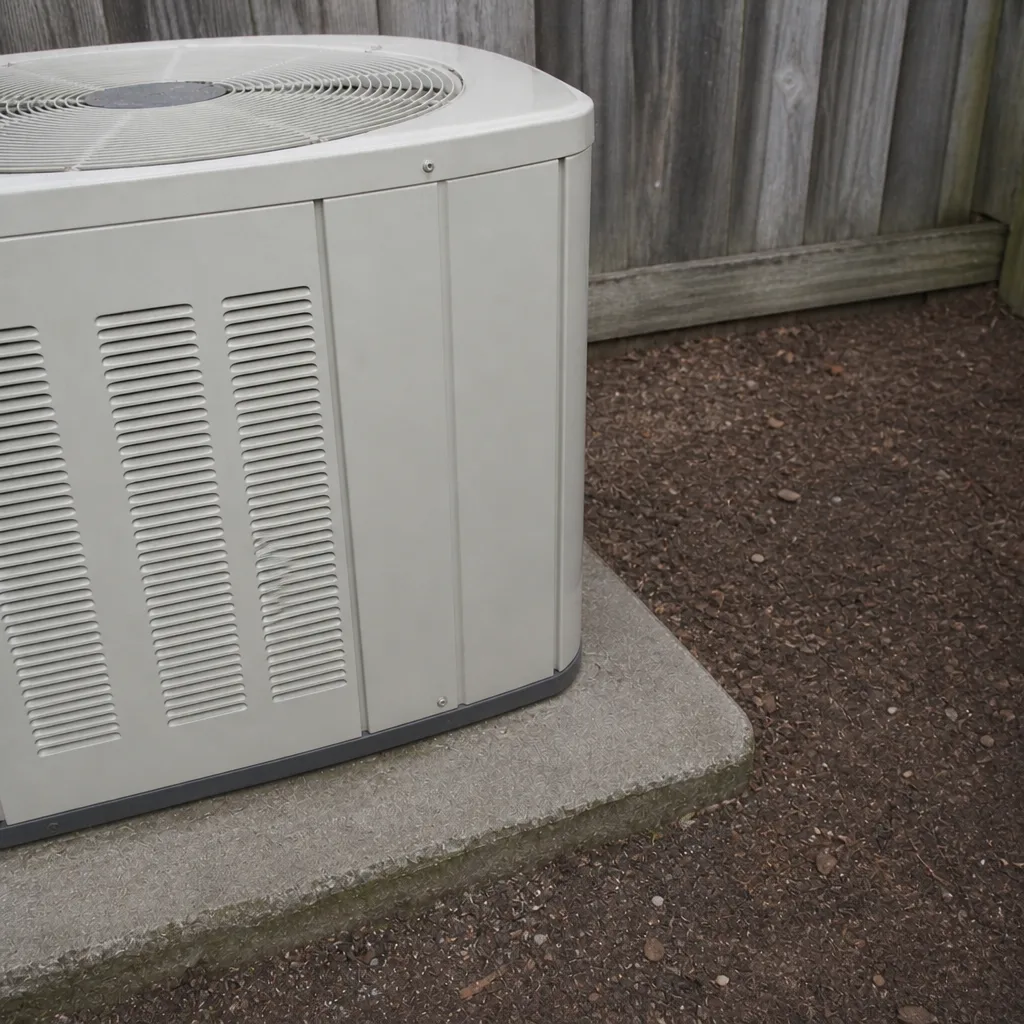
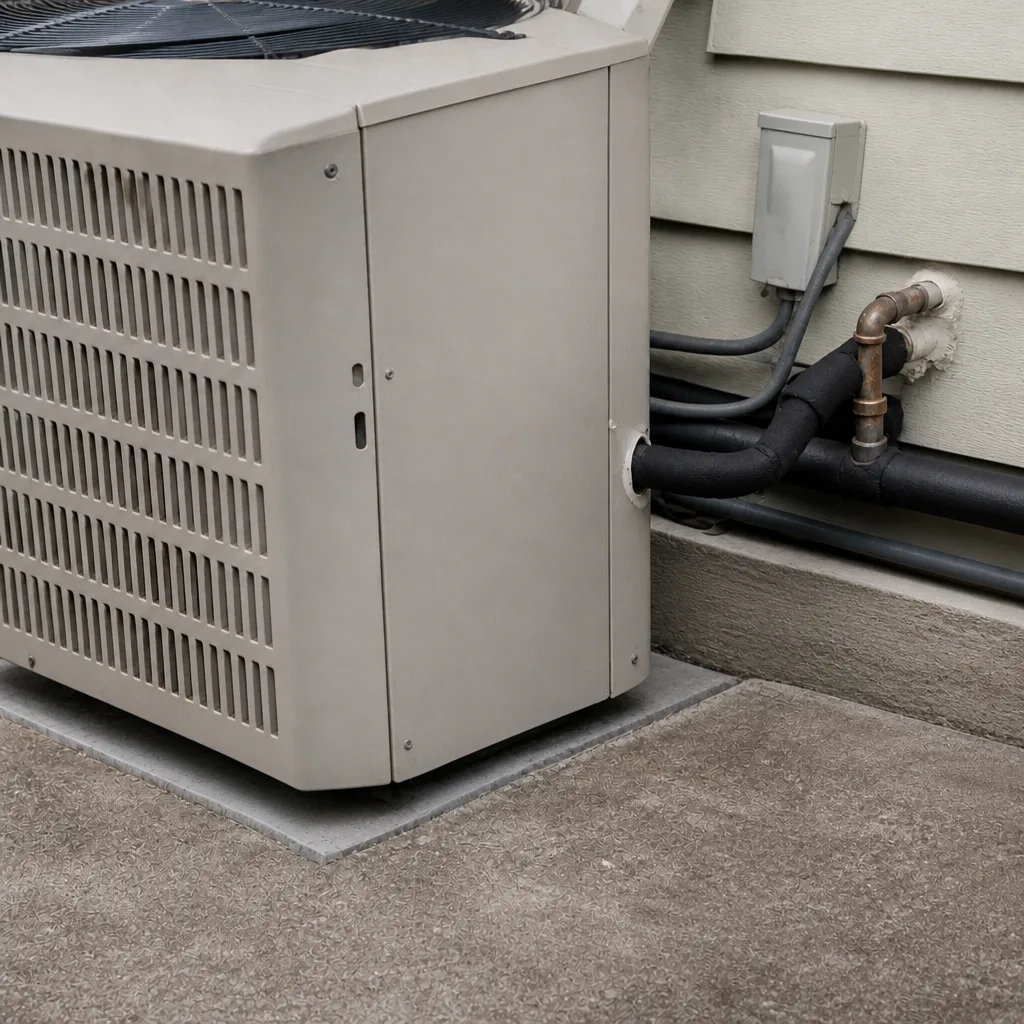
- February – Prep starts. Book the AC tune-up. Clear debris from the outdoor condenser area and check that the pad hasn’t shifted.
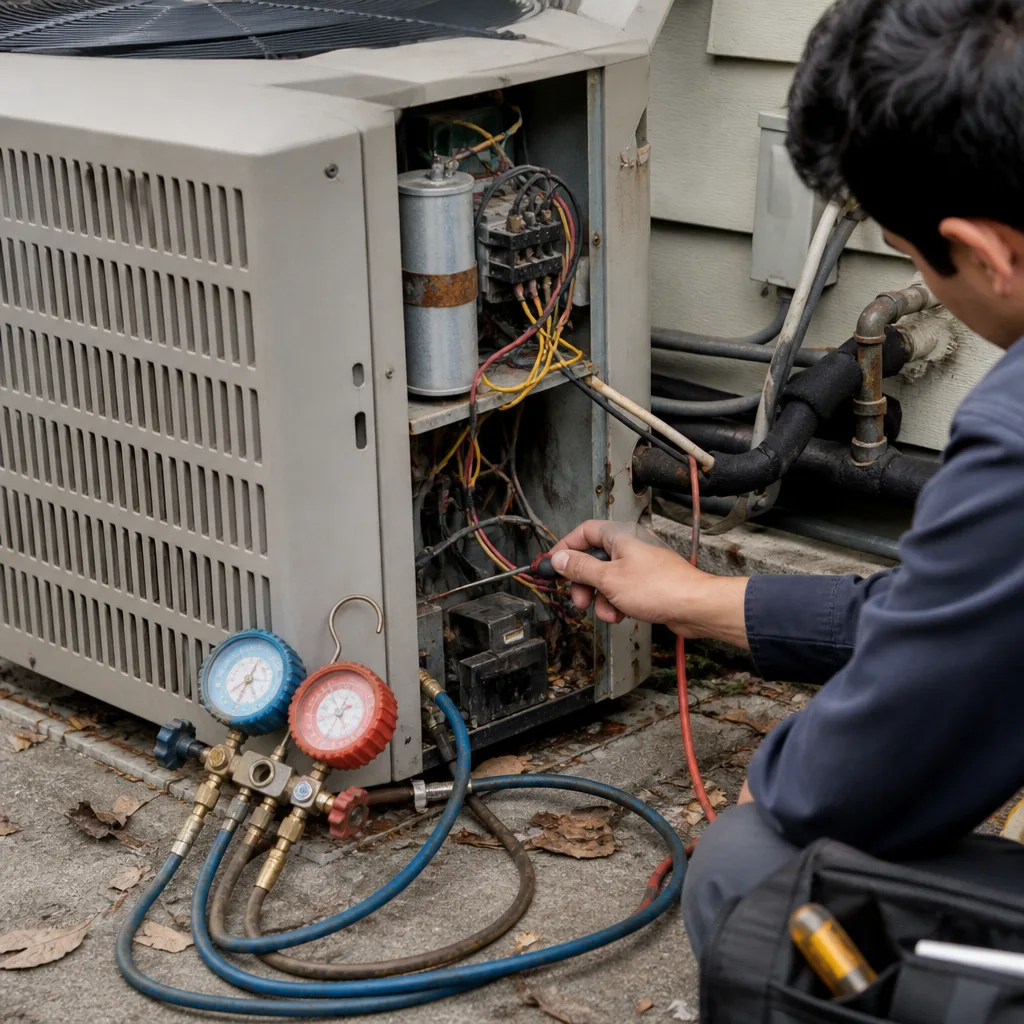
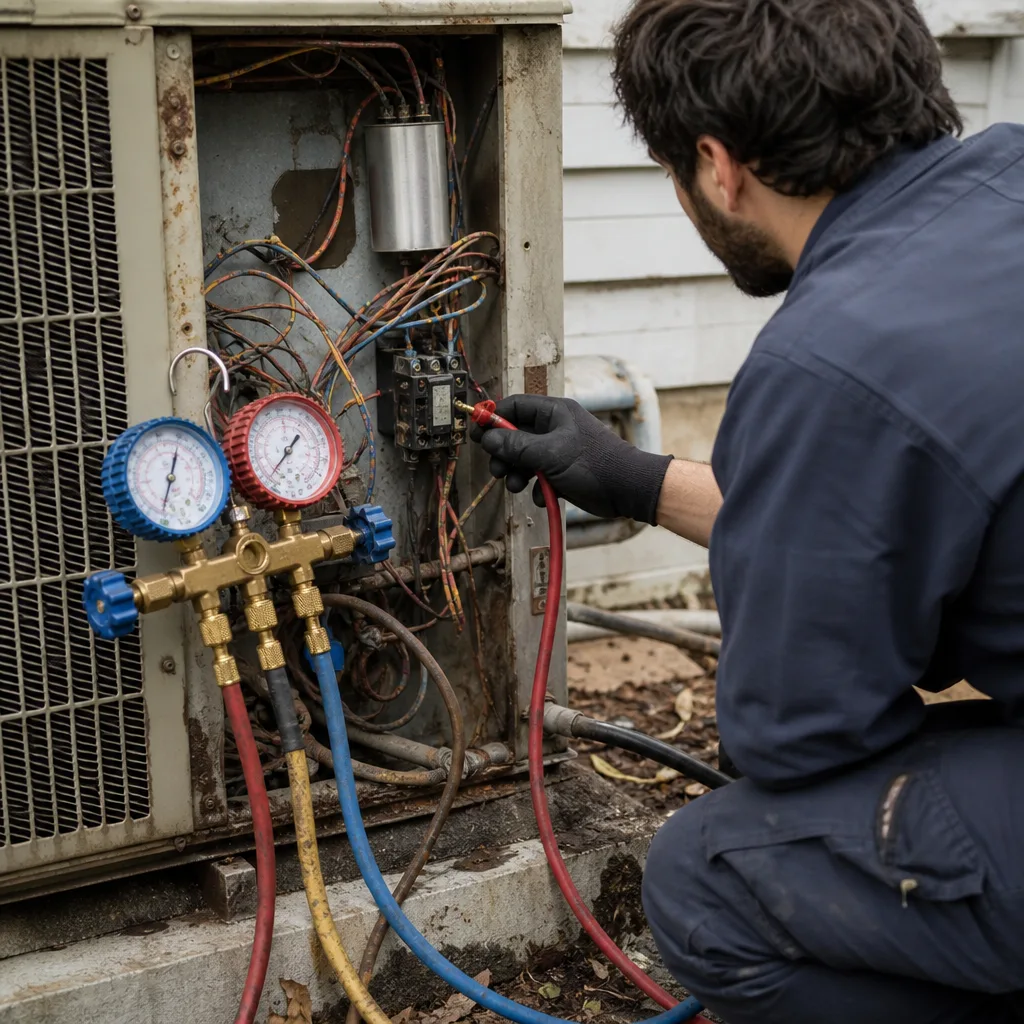
- March – Cooling prep in full. Full AC tune-up: coil cleaning, refrigerant check, blower inspection, and a thermostat calibration. This is the best month on the calendar for it.
- April – First cooling test. Run the AC on a mild day for 20 minutes and note how fast it reaches setpoint.
- May – Monitoring. Filter change if it’s been more than 60 days. Check the condensate drain for slow flow.
- June – Monitoring. Early heat usually shows up. Watch for short cycling and rooms that lag.
- July – Peak cooling. Mid-summer quick check territory (see below). Filters, condensate, and outdoor unit clearance.
- August – Heating prep starts. Book the furnace tune-up for late August or September.
- September – Full furnace service. Heat exchanger inspection, burners, ignition, and a first-run test.
- October – Heating test. Run the furnace on a cool morning and confirm warm air at every register.
- November – Monitoring. Heating runs occasionally. Note any new smell on startup.
- December – Monitoring. Filters, thermostat batteries if applicable, and a quick visual on ductwork connections in the attic or crawlspace.
The critical insight is that February through March and August through September are the two months pairs when professional work actually belongs on the calendar. Everything else is the homeowner’s own monitoring, done at home, in a few minutes.
Why Heating Prep Still Matters in a Mild Climate
Heating demand in Hayward is low compared to the rest of the country, and that’s exactly why heating systems get neglected. A furnace that runs eight or ten times a year can go three or four seasons without anyone opening the panel. The problem is what happens to a heat exchanger that sits idle for long stretches in a mild, somewhat humid climate.
A furnace heat exchanger is a metal component that expands when hot and contracts when cool. Under regular use, this cycling is gradual and the metal tolerates it well. Under long idles followed by sudden cold snaps, the cycle pattern is different: long periods at ambient, then repeated heating and cooling over a compressed window. Small cracks that would normally be caught during an annual inspection can go unnoticed for multiple years.
What makes this a real concern in Hayward specifically is that the first cold nights often come without warning in November or December. A homeowner who hasn’t had the furnace serviced since the previous winter has no way to know a heat exchanger has started to fail until they smell exhaust or the carbon monoxide detector triggers. Both are serious.
What heating prep includes on a proper service call:
- Heat exchanger inspection (visual and, where accessible, more detailed)
- Burner cleaning and adjustment
- Ignition system check
- Flue and venting inspection
- Blower motor and wheel inspection
- Safety switch and rollout sensor testing
- Filter replacement and airflow check
Any heating repair involving the heat exchanger, gas valve, or flue is not a homeowner task. A cracked heat exchanger can leak carbon monoxide into the living space, and gas work requires a trained and licensed technician. If you smell gas or your CO detector sounds, get out of the house and call from outside.
Our Hayward team sees both sides of this: the cooling calls that always come in July, and the heating calls that always come in the first cold week of December. The heating calls are almost always preventable with a September tune-up.
Fall and Winter Moisture, Ductwork, and Insulation
Fall and winter in Hayward bring the marine influence that shapes local humidity: cool, moisture-laden air that pushes in from the Bay and settles over the East Bay hills. For homes with well-sealed, insulated ductwork, this is a non-issue. For homes with older or poorly insulated ducts, especially in attics and crawlspaces, it’s a different story.
Here’s what happens. Return-air ductwork runs at low pressure and low temperature in the heating season. When humid outside air reaches a cold duct surface in an unconditioned attic or crawlspace, moisture condenses on the exterior of the duct. Over weeks and months, that moisture soaks into nearby insulation, framing, and drywall. The result is often a musty smell that homeowners attribute to “the house being closed up,” when it’s actually a duct condensation problem.
Signs that point toward duct condensation rather than a simple humidity issue:
- Musty smell that’s strongest near registers or in rooms closest to the attic or crawlspace
- Visible moisture or staining on ceiling drywall near duct runs
- Condensation on the outside of duct boots at floor or ceiling registers
- Insulation that feels damp to the touch in the attic, especially near ducting
- Recurring mold or mildew in closets that share a wall with the duct chase
The fix isn’t usually a dehumidifier. It’s duct sealing and insulation: sealing joints and connections so humid air doesn’t infiltrate, and improving insulation so the duct surface stays closer to room temperature. If your home is on the older side and the ducts predate the 1990s, having a technician look at the duct envelope during the fall heating tune-up is the right timing. It’s a much easier fix in October than in the middle of a cold week in January, both for scheduling and for comfort.
The Case for a Mid-Summer Quick Check
Hayward’s cooling window is short, but the peak can be intense. A week of 90-degree-plus days in July or August pushes a residential AC system harder than the entire spring. The national advice to schedule a full tune-up in “early summer” misses a useful middle step: a quick check that isn’t a full tune-up, done right before or during the first real heat of the year.
What a mid-summer quick check covers:
- Filter condition (change if needed, especially after a dusty stretch)
- Outdoor condenser clearance (at least two feet on all sides for airflow)
- Condensate drain flow (pour a cup of water in the pan and watch it drain, if accessible)
- Thermostat setpoint verification (does the unit reach setpoint in a reasonable time?)
- A quick listen to the outdoor unit on startup for new noises
This is a 20-minute task, not a service call. It costs nothing and catches the majority of mid-season failures before they become emergencies. What we see in Hayward is that most mid-summer breakdowns trace back to a clogged filter, blocked condenser, or condensate overflow – all three of which a quick check would have caught.
If the quick check turns up something – the unit short cycles, the condenser fan runs but the house doesn’t cool, there’s water near the indoor air handler – that’s when to call for AC repair. The earlier in the heat wave you call, the faster the fix, and the less time you spend in a hot house.
Shoulder Season: Switching Modes in the Same Week
Shoulder season maintenance in a mild climate is different from what it means in a place with clear seasons. In Hayward, “shoulder season” often means switching between heat and cool in the same week, sometimes in the same day. A 55-degree morning wants the furnace; a 75-degree afternoon wants the AC. The system is cycling through both modes inside a 24-hour window, and that has maintenance implications.
Three tasks belong on the shoulder-season list:
- Thermostat mode check. Make sure the thermostat switches cleanly from heat to cool and back without error codes. A thermostat that sticks or misreads can run the wrong mode and stress the compressor.
- Filter service. A filter that was fine in April can be clogged by October if the home has pets or is near a dusty area. Change it at the shoulder, not on a fixed calendar.
- Condensate line flush. The AC’s condensate line only runs in cooling mode, but the drainage path shares space with the heating side in many installations. Flushing it at the shoulder prevents the classic late-August overflow.
Shoulder season is also the right time to notice that the system isn’t switching modes as cleanly as it used to. A heat pump or dual-fuel system that’s slow to switch, or that runs the wrong mode briefly, may have a reversing valve or control board problem that’s cheaper to fix at the shoulder than in a heat wave or a cold snap.
If you’re in the middle of a shoulder-season switchover and something isn’t behaving right, our AC installation team also handles the existing-system questions that come up: whether to repair, whether to replace, and what a replacement schedule would look like if the current unit is near the end of its working life.
Brand-Specific Notes: Bryant, York, Daikin, and Rheem
Not every brand has the same weak points, and seasonal care that ignores brand is less useful than care that’s calibrated to the equipment in the home. Here’s what we watch for on four brands that show up frequently in Hayward homes.
Bryant. Bryant systems are well-built and common across the East Bay. Their heat pumps and higher-efficiency furnaces benefit from a proper fall service – the brand’s control boards and ignition sequences are reliable but sensitive to a clean power supply, so a fall tune-up that includes electrical connections is worth prioritizing.
York. York residential equipment spans a wide range, from builder-grade to higher-efficiency. On older York units, the outdoor condenser fan motor is the part we see wear on most often after a long cooling season. A February or March tune-up is the right time to catch a fan motor that’s starting to drag.
Daikin. Daikin split systems and ducted heat pumps are increasingly common locally, and their inverter-driven compressors run at variable speeds that benefit from a clean condenser coil. A quick mid-summer condenser wash – just the coil, not a full service – keeps efficiency up through the peak.
Rheem. Rheem furnaces and AC systems are widely installed, and their heat exchangers are the part to focus on in the fall. Rheem’s flame sensors and thermocouples also benefit from cleaning at each annual heating tune-up; a dirty flame sensor is one of the most common “no heat” causes we see on Rheem equipment.
If you’re not sure what brand you have, the data plate on the outdoor unit or inside the furnace cabinet carries the model. Photograph it before you call, and you save diagnostic time. Our technicians have up to 10 years of experience and are factory-familiar with Carrier, Trane, Lennox, Goodman, Rheem, York, Daikin, Bryant, and American Standard. The point is that whatever you have, it’s not new to us.
Common Mistakes to Avoid
- Following a national maintenance contract to the letter. A “spring AC tune-up” is fine in principle, but if the contract schedules it for late May in Hayward, you’ve already missed the better month. Push the visit to February or March and you’ll get more out of it.
- Skipping the furnace tune-up because “it doesn’t get cold here.” Low heating demand is exactly the reason heat exchangers go uninspected for years. One September service catches what mild winters hide.
- Ignoring the musty smell in fall and winter. A musty smell in the fall heating season is often a duct condensation issue, not “the house being closed up.” Left alone, it can lead to moisture in insulation and framing.
- Replacing the filter only when it looks dirty. In a home with pets or near a dusty stretch, a filter can be loaded long before it looks bad. Check it at every shoulder season, at minimum.
- Blocking the outdoor condenser with plants or fencing. Hayward’s mild climate means the outdoor unit runs more quietly than you’d expect, so it’s easy to forget it needs airflow. Two feet of clearance on all sides is the minimum.
- Running a heat pump or dual-fuel system through shoulder season without checking mode switching. If the system is slow to switch heat to cool, the problem is easier to fix at the shoulder than mid-summer.
- Treating a mid-summer quick check as a substitute for the annual tune-up. The quick check catches the obvious, low-cost failures. The annual service catches the parts-level wear a quick check can’t see.
When to Call a Professional
Some tasks belong to the homeowner. Others belong to a trained technician, and calling early is almost always cheaper than calling late. Call a professional when: the AC isn’t reaching setpoint on a hot day; the furnace doesn’t produce warm air within a few minutes of a call for heat; you smell gas or your carbon monoxide detector sounds; you see moisture on ductwork or ceiling drywall near duct runs; the outdoor unit’s fan doesn’t spin or spins with a new noise; the thermostat displays an error code; or the system short cycles and never completes a full cycle.
AC Repair Hayward offers free estimates in Hayward – call (888) 870-1847. Fast dispatch from 7am to 7pm, Sunday through Friday. We answer 24/7. Our technicians have up to 10 years of experience and work on both the cooling and heating side, so a single call covers both seasons.
Frequently Asked Questions
Twice a year, on the two prep windows: a full AC tune-up in late winter to early spring, and a full furnace service in late summer to early fall. That’s more useful than a single combined “annual” service, because the two prep windows align with the two real transitions in Hayward’s weather. Between visits, a mid-summer quick check and a filter change at the shoulder seasons catch most of the rest.
Yes, and the reason is that low heating demand hides heat exchanger problems for years. A heat exchanger can develop small cracks over many idle-then-run cycles, and the first sign is often a carbon monoxide detector going off. An annual fall service that includes a heat exchanger inspection catches it early. It’s not about the amount of use – it’s about the safety of a component that only gets inspected once a year.
February or March. Those months fall in the prep window before the first real heat of the year, and technicians have more scheduling flexibility than they do in the July crush. If you didn’t book it then, April or early May is second-best. Waiting until the first heat wave of the year to schedule means you’re competing for the same week’s slots as everyone else.
Often it is. Fall and winter bring the marine air that raises local humidity, and older or poorly insulated ducts in an attic or crawlspace can develop condensation on their exterior surface. The moisture soaks into nearby insulation and framing, producing a musty smell that’s strongest near registers or in rooms closest to the attic. Duct sealing and insulation is the usual fix. Call us and we can take a look at the duct envelope during a fall service visit.
That pattern points to a condenser that’s partially blocked or a filter that was fine in the spring and is loaded by early summer. The mild weeks in May and June don’t push the system hard enough to expose the restriction; the first heat wave does. A mid-summer quick check – filter, condenser clearance, condensate flow – usually finds the issue. If it doesn’t, that’s the right time to call for repair, before the unit fails completely.
Homeowners can and should handle the filter, thermostat mode check, and visual inspection of the ducts. Everything inside the furnace cabinet – heat exchanger, burners, ignition, flue – belongs to a trained technician, both for capability and for safety. A cracked heat exchanger or a blocked flue can produce carbon monoxide. The fall service is worth the call precisely because it inspects the parts that can’t be safely checked from outside the cabinet.
The Bottom Line
Hayward’s mild climate rewards homeowners who stop borrowing a Midwest maintenance calendar. Two prep windows – February to March for cooling, August to September for heating – do most of the work. Two monitoring windows, mid-summer and mid-winter, catch the rest. Heating prep matters even with low heating demand, because idle seasons hide heat exchanger problems. Fall and winter moisture can turn ductwork in older Hayward homes into a condensation problem worth looking at during the heating tune-up. Mid-summer quick checks catch the majority of peak-season failures for free. And shoulder season is when mode-switching issues surface; fix them before the next hard swing. If you want a single company that handles both sides of the calendar, we’re set up for exactly that.
Call (888) 870-1847 for a free estimate. We answer 24/7. Fast dispatch from 7am to 7pm, Sunday through Friday.
Written by the team at AC Repair Hayward.
See the difference
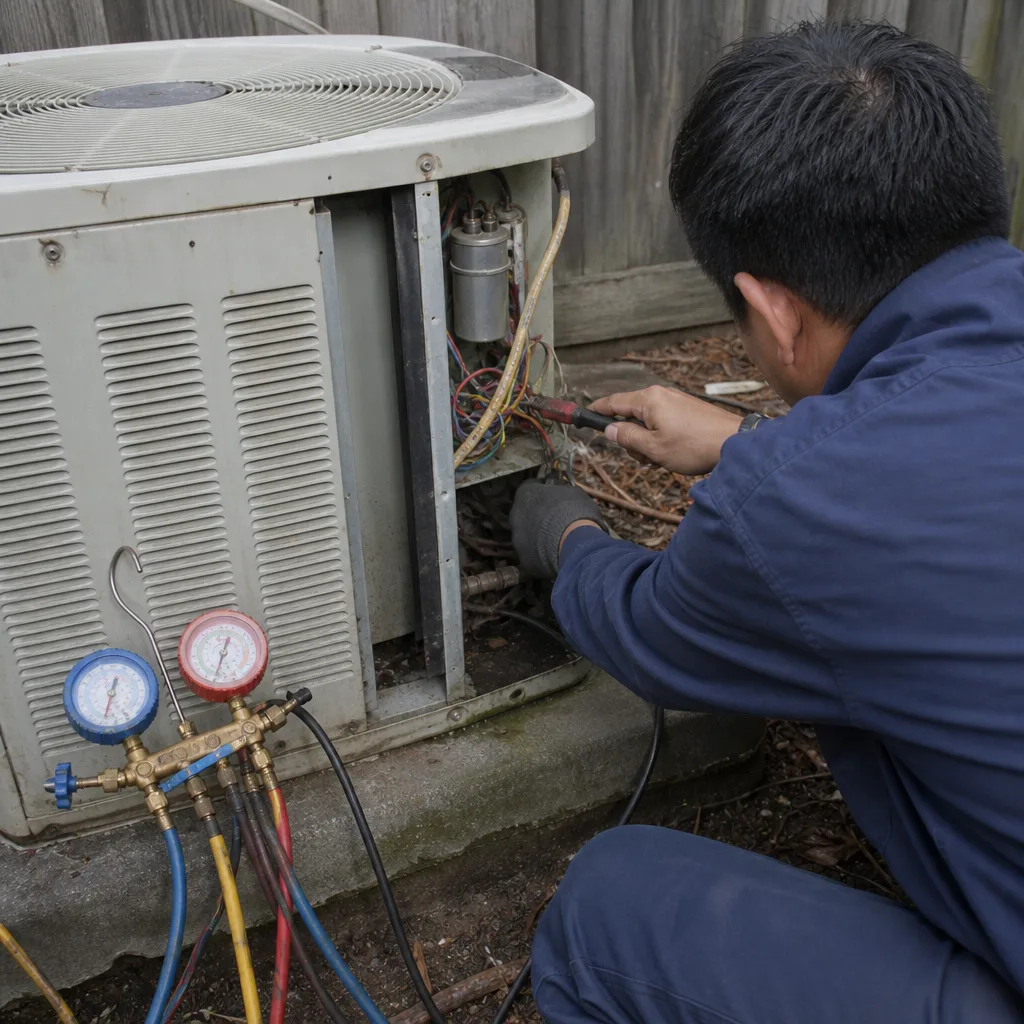 Before
 After
 Before
 After
 Before
 After